Here’s what to expect from the weather in the Costa Brava, whether you’re visiting in July or January.

A day on the beach. Photo by Alexandra Tran.
If you’re planning a trip to the Costa Brava, chances are you’re picturing golden beaches, seafood by the sea and long, sun-soaked days. But what’s the weather actually like — and when’s the best time to go? Knowing what to expect from month to month can make a big difference, whether you’re aiming for lazy afternoons in a beachside xiringuito or long hikes through quiet trails.
The Costa Brava, stretching along Catalonia’s north-east coast from Blanes to the French border, has a Mediterranean climate with hot summers and mild winters. But it’s not all sunshine and chilled white wine — the region has its quirks. Coastal areas like Calella de Palafrugell get sea breezes that take the edge off summer heat, while inland towns like La Bisbal can feel several degrees warmer.
This guide walks you through what the weather’s like throughout the year, starting with the peak summer months and working back through the quieter seasons. Whether you’re looking for the best beach weather or a peaceful escape without the crowds, you’ll find a month that fits.
July to September – hot days, warm seas and lively towns
Summer in the Costa Brava is full-on. These are the months when beaches are packed, the sea is at its warmest and every village seems to have something going on — from outdoor concerts to fireworks over the bay. It’s also the time when the weather is most predictable: hot, dry, and reliably sunny.
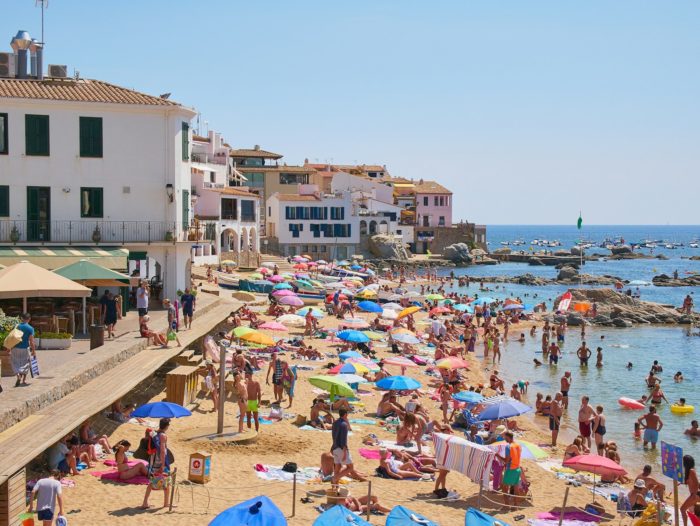
Photo by Unexpected Catalonia
July
July marks the start of the peak holiday season, and it rarely disappoints on the weather front. Daytime highs hover around 28 to 30°C, sometimes nudging higher inland. Rain is unusual, and when it does fall, it’s usually brief.
Nights stay warm, especially in towns closer to the coast. Sunset is around 9pm, so you’ve got plenty of daylight to work with. Locals and visitors alike shift into summer mode — lunches stretch long into the afternoon, and nobody’s in much of a rush.
The sea’s warmed up enough to be inviting, especially by mid-month. Make sure your accommodation has decent airflow or air-conditioning, as it can get stuffy at night without it.
This is when the weekly markets are at their liveliest, and restaurants often extend their opening hours. You’ll also find lots of open-air cinema nights and live music in town squares.
August
August is the hottest and most crowded month of the year. It’s when much of Spain takes its annual holiday, so you’re sharing the coast with visitors from Barcelona and beyond. Temperatures can regularly hit 32°C inland, and even coastal spots feel warm from early morning.
Humidity can build in the afternoons, and while it’s still a dry month, storms aren’t unheard of — especially toward the end. These usually pass quickly but can be dramatic.
The sea is at its warmest — perfect for swimming from first thing in the morning right through to evening. Local festivals ramp up too, with many towns hosting their Festa Major, often complete with live music and processions.
Restaurants get busy, so booking is essential. Traffic also builds along the coast, particularly near beach access points and larger towns like Tossa de Mar or Platja d’Aro.
September
September often feels like a secret bonus month. The first week still has a summer buzz, but by mid-month things begin to slow down — in a good way. Temperatures ease to around 25–28°C during the day, and nights are fresher.
The sea remains warm enough to swim comfortably, and with fewer people around, it’s easier to find a quiet spot — especially midweek. You’ll also see the landscape start to shift as vineyards prepare for harvest and some early signs of autumn appear inland.
It’s a great time to explore coastal paths, paddleboard in calm coves or spend the day at a beach bar without worrying about sunburn after ten minutes. Most seasonal restaurants and businesses stay open until the end of the month.
Good to know: This is a top choice for travellers without school-age kids. You still get the good weather, but with shorter queues, more relaxed locals, and slightly more reasonable prices.
April to June and October – perfect for exploring
These months are the Costa Brava’s sweet spot. Spring and early summer bring wildflowers, bright skies and longer days, while October offers a gentler warmth and a slower rhythm. It’s when the region feels spacious but alive — ideal if you want to walk, eat well, and not have to elbow your way onto a beach.
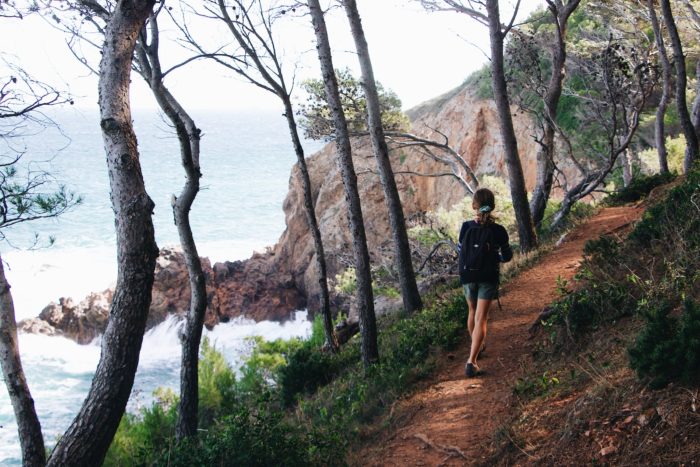
The coastal paths near Begur. Photo by Maël Balland.
April
April can be a mixed bag. You’ll get clear, warm days that feel like early summer, followed by cooler spells with cloud and the odd spring shower. Daytime highs sit around 18–20°C, but evenings are still chilly, so layers matter.
Nature is in full swing — meadows are green, trees are blooming, and the walking trails are at their most colourful. Inland, almond and cherry trees blossom, and the air smells fresh, especially after rain.
Beach days aren’t guaranteed, but on a sunny afternoon you might see a few people sunbathing, especially on sheltered coves. Most beach bars and seasonal restaurants are still closed, but places with a local clientele are open year-round.
The Easter holidays can bring short bursts of busyness, especially in towns like Cadaqués and Calella de Palafrugell. Outside those dates, it’s quiet and peaceful.
May
May is when the weather turns reliably pleasant. You can expect daytime highs of 22–24°C, with long, bright days and a sharp drop in rainy spells. Evenings are still cool but more comfortable.
It’s one of the best months for active holidays. The Tramuntana wind — a dry north wind that can be strong in winter — usually eases by now, making it perfect for cycling, hiking or kayaking. Wildflowers are still going strong, and the sea, while chilly, starts to attract swimmers on the warmer days.
The region feels relaxed but open — markets are buzzing, shops and cafés extend their hours, and many hotels switch to their summer schedule.
May is ideal for exploring inland villages, where cobbled streets and hilltop views are more enjoyable without the summer heat. It’s also a great time for food lovers — menus start to shift towards lighter, seasonal ingredients.
June
June feels like summer but without the stress. Days are long (sunset around 9.30pm), and average highs reach 26°C. The sea becomes consistently swimmable by mid-month, especially in shallower coves.
You’ll notice a real buzz in the towns — beach bars reopen, boat trips start running, and there’s a full line-up of outdoor events. Sant Joan (23rd June) is a big one: expect fireworks, bonfires, and people jumping over flames to mark the start of summer.
June is warm enough for full beach days, but without the crush of July and August. You can find space even on popular beaches, and the roads are quieter too.
It’s the month many locals say is the best time to visit — enough heat for a summer feel, but manageable, and with everything open.
October
October can feel like a late reward — the sun’s still out, the sea’s still warm, and the crowds have all but disappeared. Early October brings highs around 21–24°C, with fresher evenings and the occasional rainstorm.
If you’re into photography, walking, or just eating well, this is a great time to visit. Inland hills and vineyards start to turn golden, mushroom season begins, and restaurants shift towards heartier, autumn dishes.
The water can stay warm enough to swim in during the first half of the month, especially in the south-facing bays. You might find yourself sharing a beach with only a handful of people.
Most tourist-focused services begin to wind down by the end of the month, especially in smaller coastal towns. But there’s still plenty open — especially in larger towns like Palamós, Roses, or L’Escala.
November to March – low season, local pace
Winter along the Costa Brava doesn’t come with snow and ice, but it does bring cooler temperatures, shorter days and a slower rhythm. These months aren’t for sun-seekers, but they offer something else: calm, space, and a sense of local life ticking along without the summer buzz. If you like the idea of an off-season escape with coastal walks, good food and fewer people, this is your window.
Also see: Winter on the Costa Brava

November
November is when the days are noticeably shorter and cooler, with average highs around 15–18°C. Rain is more frequent, especially in the second half of the month, though you’ll still get bright, clear days between showers.
This is a good time for cultural trips — think museums, galleries and long, lazy meals. Towns like Girona and Figueres are more appealing now than the beach.
Most tourist services close for the season by this point, but bakeries, cafés and local restaurants stay open. If you’re planning to explore rural areas, check opening times in advance.
December
December brings a festive feel, but without the full-on Christmas frenzy you might find in northern Europe. Highs sit around 13–15°C during the day, but evenings can feel much colder, especially inland.
The coast stays quiet, but towns and villages light up with decorations, markets and traditional events. Nativity scenes (pessebres) and local crafts appear in village squares. Some restaurants offer special holiday menus, especially around Christmas Eve and New Year.
While the sea isn’t swimmable unless you’re feeling brave, you’ll still get blue-sky days that make for beautiful winter walks — especially along the coastal camins de ronda (clifftop paths).
January
January is the coldest month of the year in the Costa Brava, though by most standards it’s still relatively mild. Highs average around 12°C, but mornings can dip to 3–4°C inland, and frosts aren’t unusual in the hills.
It’s also the quietest month. Some coastal towns feel close to deserted during the week, especially in smaller fishing villages. But it’s a good time for a reset — whether that’s through walking, writing, or just soaking up the silence.
If you’re after value, this is it. Accommodation prices are low, and you’ll often have places to yourself. Just don’t expect beach days or much nightlife.
February
February often feels like a lighter version of January — slightly longer days, slightly more sun, but still chilly overall. You’ll still want a jacket and warm layers, but there’s more blue sky and a few early signs of spring.
Almond trees start to flower in inland valleys, and on sunny days you might even find locals sipping coffee outside. It’s not warm, but it is peaceful.
Some small festivals and local traditions take place around this time, particularly linked to Carnival (which varies each year but often falls in February).
March
March is when the region starts to wake up again. Temperatures climb to around 16–18°C, and there’s a bit more light in the evenings. The weather can still be unpredictable — warm one day, grey the next — but there’s a shift in mood.
Shops and restaurants in more touristy towns start to open their shutters again, and the walking paths begin to see more foot traffic. It’s still not swimming season, but it’s a lovely time to be outdoors.
There’s a sense that spring is just around the corner — without the crowds that come with it.
Best times to visit based on your priorities
Planning around the weather in the Costa Brava can make a big difference — not just to your packing list, but to the whole feel of your trip. There’s no single “best” month to visit the Costa Brava — it depends entirely on what kind of trip you want. Whether you’re after beach weather, outdoor adventures or a peaceful escape, here’s how the seasons line up with different travel styles.
The summer months deliver on heat and buzz, but the shoulder seasons are often the best balance of good weather and breathing room. Even winter has its appeal, especially if you’re after a quiet reset with a side of sunshine.
Whatever time of year you visit, Costa Brava rarely disappoints. It’s a place that shifts with the seasons, but always keeps its character — a coastline with something to offer whether you’re arriving in flip-flops or a wool coat.