Want to make the most the Costa Brava? Excursions are one way to really add to your enjoyment.
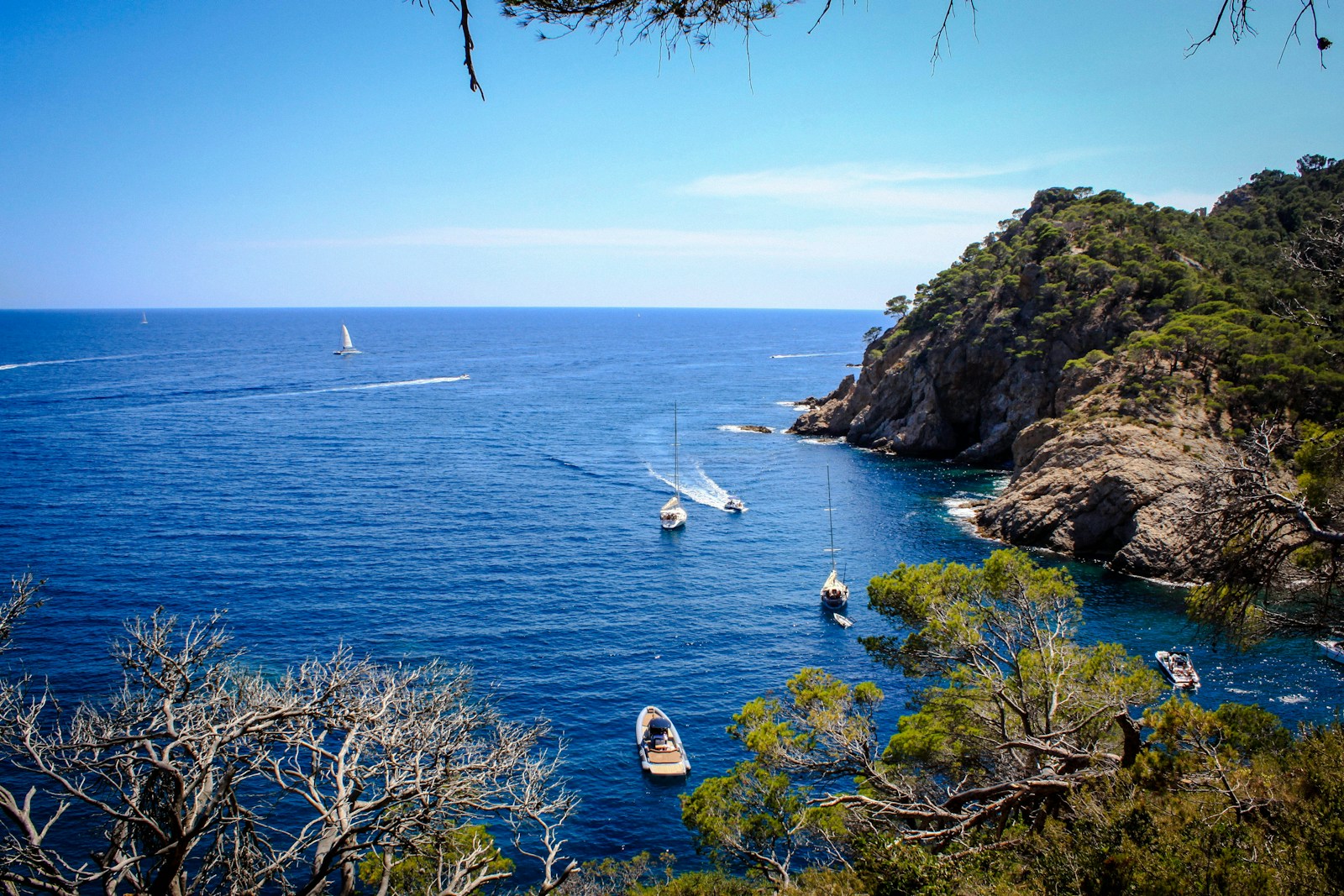
Costa Brava Excursions. Photo by Andrea Huls Pareja
The Costa Brava, stretching from Blanes to the French border, offers more than just sun-drenched beaches. This region of north-east Catalonia is packed with varied landscapes, medieval towns, winding coastal paths, and a proud food and wine culture, all within manageable reach.
Whether you’re staying for a weekend or a few weeks, well-planned excursions can turn a good trip into a memorable one. With so much to see in a relatively small region, it’s easy to feel spoiled for choice on the Costa Brava. But not all day trips are made equal and a good excursion isn’t about ticking off sights.
In this guide to Costa Brava excursions, you’ll find a handpicked mix of iconic highlights and local favourites. From kayaking into sea caves to sipping wine in medieval vineyards, each section gives you concrete options for exploring the region without feeling like you’re being herded around or wasting time.
Coastal routes and boat trips
Some of the most rewarding Costa Brava excursions begin and end with the sea. The coast here is rugged and full of character, with cliffs, pine forests and hidden coves shaping the shoreline. You don’t need to go far to find something special — but the right excursion will take you beyond the obvious.
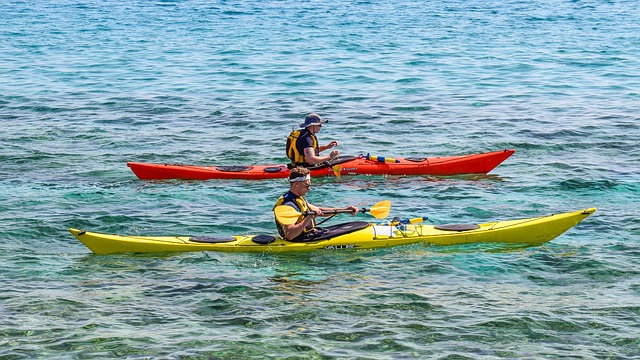
Kayaking from Tamariu to Cala Pedrosa
Tamariu is a small beach town with a laid-back feel and clear, sheltered waters. From here, a half-day kayak excursion to Cala Pedrosa is an ideal way to explore the coast at water level. You’ll paddle past honeycombed rock formations, sea caves and pine-fringed cliffs, with time to stop for a swim and a drink on a pebble beach that feels completely cut off.
Morning trips tend to have calmer water and fewer boats and several local operators offer guided tours.
Boat trips to hidden beaches
Some of the Costa Brava’s most beautiful coves are inaccessible on foot. Cala Futadera, near Tossa de Mar, is one of them. You can’t drive there and the walk down is long and uneven, which means a small boat tour is often the best way in. The same goes for parts of the coastline between Calella de Palafrugell and Llafranc, where cliff walls drop straight into the sea.
Boat tours come in all shapes. Some are group excursions with swim stops and snorkel gear, but if you’re travelling with friends or family, hiring a boat for half a day often offers better value than it first seems.
Snorkelling or diving in the Medes Islands
Just off the coast of L’Estartit, the Medes Islands form a protected marine reserve with some of the best underwater visibility in mainland Spain. The islands are uninhabited and access is tightly controlled, which keeps the marine life abundant.
You can join a guided snorkelling trip with a small group, or, if you’re a certified diver, book a scuba diving excursion through one of the local dive centres. Even if you’ve never snorkelled before, you can join a beginner-friendly session in calm water with a guide. Expect to see sea bream, groupers and the occasional barracuda.
Excursions for nature lovers
If you’re drawn to wild landscapes, inland valleys and open sky, the Costa Brava offers more than just coastal views. Away from the beaches, you’ll find national parks, forest trails and protected wetlands that make ideal day trips for walkers, cyclists and anyone looking for a quieter experience of the region.
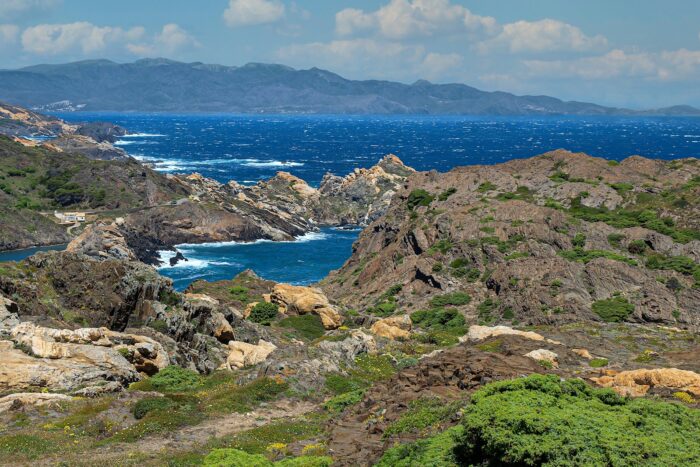
The stark beauty of Cap de Creus. Photo by Manuel Torres Garcia
Walking in Cap de Creus Natural Park
At the north-eastern tip of the Costa Brava, Cap de Creus is a headland of wind-sculpted rock, steep cliffs and remote walking trails. This is one of the most striking natural areas in Catalonia and a rewarding day trip for anyone who enjoys walking with sea views.
The route from Cadaqués to the Cap de Creus lighthouse is a popular one. It takes around two hours each way, with time to stop for photos or a swim. The landscape is rugged and open, with twisted rock formations and low, bright vegetation. At the lighthouse, there’s a small café and a wide view across the sea.
River trails and forest paths in La Muga Valley
Further inland from Castelló d’Empúries, the Muga River valley is a peaceful alternative to the coastal routes. This area has forest trails, old mills and clear river pools, making it ideal for a slower day out in nature.
There are several self-guided walking routes suitable for most fitness levels. The terrain is gentle, and many paths run under tree cover. You’ll also find shaded picnic spots and places to swim. Water shoes are useful, as some trails include shallow crossings. For those who want to explore further, guided e-bike routes are also available.
Birdwatching and boardwalks in Aiguamolls de l’Empordà
This wetland reserve lies between Roses and L’Escala and is one of the most important bird habitats in Spain. It’s a quiet, flat landscape of reedbeds, lagoons and rice fields, with walking and cycling routes that are easy to follow.
More than 300 bird species have been recorded here, including storks, herons, marsh harriers and, depending on the season, flamingos. There are wooden boardwalks and observation towers where you can stop and watch without disturbing the wildlife. Spring and autumn migrations are the busiest for birdlife, but the park is open year-round and usually calm even in peak season.
Medieval towns and historical routes
The Costa Brava’s charm doesn’t begin and end at the water’s edge. Inland, the region is scattered with medieval towns and historical sites that make excellent day trips. These places are well preserved without feeling overly polished, and many are still lived in. They’re perfect for wandering, stopping for lunch, and getting a different sense of the area’s past and present.
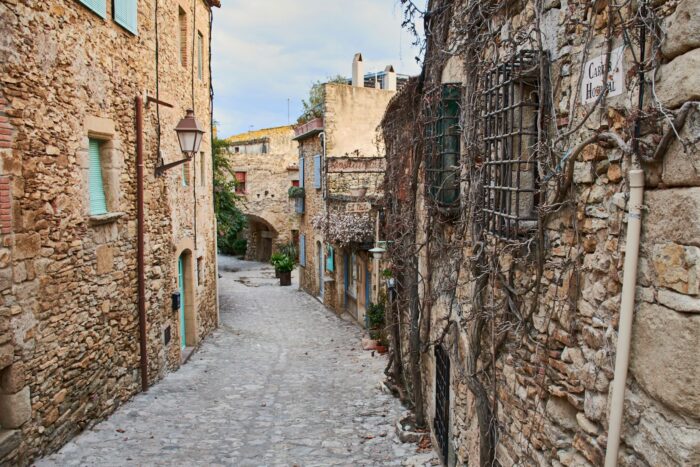
The narrow cobbled streets of Peratallada. Photo by Héctor J. Rivas.
Peratallada and Pals: stone walls and slow afternoons
Peratallada and Pals are two of the best-preserved medieval villages in the region. Peratallada, in particular, feels untouched by time, with its narrow flagstone streets, arched passageways and ivy-covered walls. Cars are banned in the old centre, so it’s quiet and easy to explore on foot.
Pals, perched on a small hill, offers a different view. Its watchtower dates back to the 11th century, and from the viewpoint you can see all the way to the Medes Islands. Both towns have excellent local restaurants and small artisan shops, making them ideal for a half-day visit or a longer wander.
A guided tour of Girona’s old quarter
Girona is a city with layers. Its old quarter is a mix of Roman foundations, medieval alleyways and grand Gothic buildings, all wrapped around the steep banks of the River Onyar. It’s compact enough to walk but dense with history, especially in the former Jewish quarter, known as El Call.
A guided tour here is worth considering, especially if you’re interested in the city’s Jewish heritage or want context for what you’re seeing. Guides often highlight hidden symbols, unusual architecture and stories behind the city’s role in various periods of Catalan history.
Besalú: Romanesque beauty and riverside views
Besalú is one of the most striking towns in the area, known for its 12th-century bridge and well-preserved Romanesque buildings. The town was once an important medieval capital, and its layout still reflects its historic significance.
Key sights include the Jewish ritual baths (mikveh), the old monastery and the stone bridge that leads you into the town. The whole place is compact and walkable, but rich in detail. If you’re interested in history, there are regular walking tours that explain the town’s religious and political past.
Besalú can be visited on its own or combined with a drive through the volcanic landscapes of La Garrotxa, depending on how much time you have.
Food and wine excursions
Good food is part of daily life on the Costa Brava. Whether it’s a fisherman’s lunch in a small port or a long afternoon tasting local wine in the hills, there are plenty of ways to build an excursion around eating and drinking well. Many of these trips also give you a closer look at local traditions and working life, especially when you go slightly off the tourist trail.
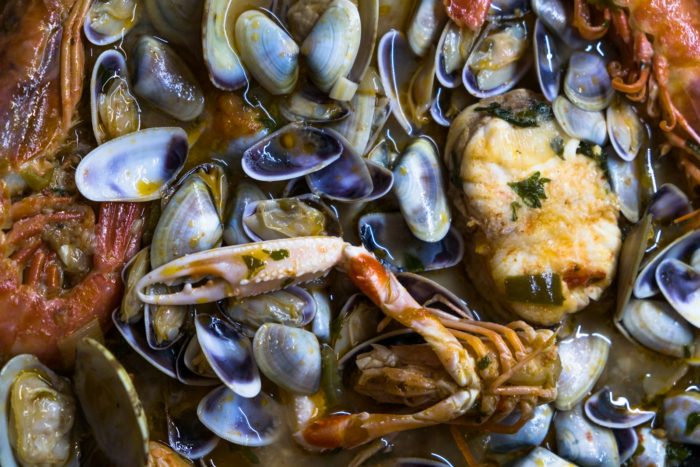
Suquet is a typical seafood dish found in Catalonia. Photo by Pau Casals
Exploring the Empordà wine region
The Empordà wine region produces some of Catalonia’s most interesting wines. It’s also one of the oldest wine-growing areas in the Iberian Peninsula, with a mix of small family-run cellars and more modern estates.
Several vineyards near towns like Peralada, Capmany and Garriguella offer tastings and short tours, often with options to pair wines with local cheese, oil or cured meats. A typical visit lasts around 90 minutes, with time to walk among the vines and learn about the local Garnatxa and Carinyena varieties.
A market-to-table seafood tour in Palamós
Palamós is still very much a working fishing town. Its port is active, and the fish market is the real deal, rather than a show for tourists. Several guides run market-to-table tours that begin with a walk through the harbour and end with a seafood tasting or cooking demonstration.
A typical tour includes a visit to the fish auction, an explanation of the local catch and how it’s regulated, and then either a lunch or hands-on cooking experience. Expect prawns, anchovies and small local species you won’t always find in restaurants.
Cooking classes in rural masías
For something slower and more hands-on, a cooking class in a rural masía (Catalan farmhouse) is a relaxed and enjoyable way to spend half a day. Many classes are run by local chefs or home cooks, and often include a short visit to a nearby market or garden before the actual cooking begins.
These experiences usually focus on Catalan dishes that suit the season, such as suquet de peix (fish stew), coca (a kind of flatbread), or slow-cooked meat with wild mushrooms. Classes often end with a communal meal and local wine, and some hosts offer recipes to take home.
Art and literary excursions
The Costa Brava has long attracted artists and writers, drawn by the sharp light, coastal shapes and inland silence. This is where Salvador Dalí lived and worked, and where writer Josep Pla observed the details of local life that would define his essays.
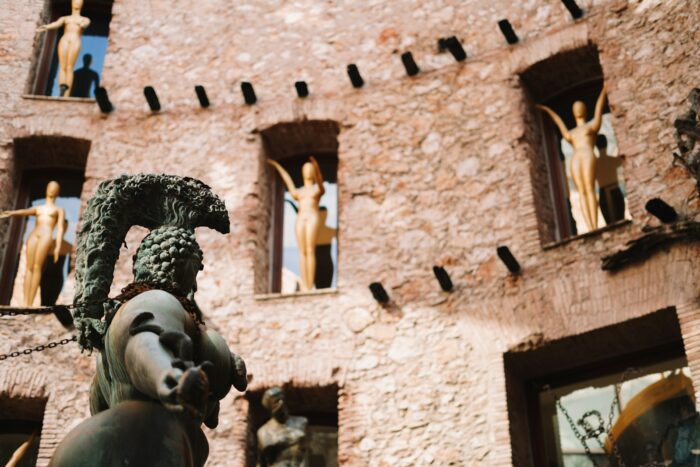
The Salvador Dalí Theatre-Museum in Figueres. Photo by Lala Azizli
The Dalí Triangle: Figueres, Cadaqués and Púbol
The so-called Dalí Triangle links three key places in Salvador Dalí’s life. Together, they make an unforgettable day out, though many visitors choose to spread them over two or three days.
Start in Figueres, his birthplace, where the Dalí Theatre-Museum is a surrealist landmark in itself. It can get busy, so booking ahead is essential.
Next is Portlligat, a small cove next to Cadaqués, where Dalí lived with his wife Gala. The house, now a museum, is preserved as it was when he lived there, complete with strange furnishings, rooftop eggs and a stuffed bear in the entrance. Tours are guided and must be booked in advance.
Finally, Púbol Castle, inland from the coast, was Gala’s private retreat, gifted to her by Dalí. It’s quieter than the other two sites and gives a different view of their relationship and aesthetic.
You can visit all three in a single day by car, but if you prefer a slower pace, it’s worth spreading them out and enjoying the journey between.
Josep Pla and the quiet art of observation
Less internationally known than Dalí, but just as influential locally, is Josep Pla. A journalist and essayist born in Palafrugell, his writing captured the textures of everyday life in the Empordà region — from fishermen’s routines to village politics and the shifting light on stone walls.
Palafrugell’s Josep Pla Foundation offers walking routes based on his work, including paths through Calella de Palafrugell, Llafranc and the surrounding countryside. Even if you’re not familiar with his writing, the routes are well worth doing. They take you through small villages, quiet lanes and coastal paths that show the region at its most lived-in.
The foundation also runs occasional guided walks and talks in both Catalan and Spanish, and it’s possible to pick up an English-language map for self-guided versions.
Art museums off the main track
While the Dalí Triangle gets most of the attention, there are other small museums and artist spaces that make good half-day visits. The Museu de l’Empordà in Figueres houses a strong collection of Catalan art. Casa Galibern in Torroella de Montgrí often hosts temporary exhibitions, and in Sant Feliu de Guíxols, the Espai Carmen Thyssen offers a seasonal programme of modern art.
Excursions for the active and adventurous
If you like to keep moving, the Costa Brava offers plenty of ways to explore through activity. From coastal walks and cliffside paths to canyoning in forest gorges, there’s no shortage of excursions that combine scenery with a bit of physical effort. Many are suitable for beginners or casual travellers who want a sense of achievement without needing specialist skills.

The camí de ronda at S’Agarò. Photo by Queralt Boix.
The coastal path from S’Agaró to Sa Conca
This well-maintained stretch of the Camí de Ronda, the coastal path that runs along much of the Costa Brava, is ideal for walkers who want dramatic views without too much difficulty. Starting in the elegant seaside town of S’Agaró, the route hugs the shoreline through pine trees and open rock until it reaches the calm, sandy cove of Sa Conca.
It’s a short walk — about 30 to 40 minutes one way — but you’ll pass stone staircases, small viewing points and shaded benches along the way. It’s particularly good in the early morning or late afternoon when the light is softer and the path is quieter.
Paddleboarding and canyoning near Tossa de Mar
If you’re after something more active, Tossa de Mar is a solid base for water and adventure sports. Paddleboarding excursions take place in the morning when the sea is calm, and often include a short intro session followed by time to explore nearby coves.
For land-based adventure, canyoning tours run in the wooded hills just inland. These guided excursions involve walking, climbing, sliding and sometimes jumping into freshwater pools. They are run by licensed operators who provide helmets, wetsuits and all safety gear.
Horse riding in the Garrotxa foothills
For a slower-paced but still active option, horse riding in the Garrotxa region offers a great way to explore the inland landscape. The rides follow dirt tracks and forest paths, with views across the volcanic hills and wide plains. Several local stables run one- or two-hour treks with small groups and English-speaking guides.
Rides are usually tailored to the group’s level, so beginners are welcome. Morning outings are best during the warmer months, and some centres offer sunset rides with a stop for local wine or a picnic.
Costa Brava excursions designed for you
The Costa Brava is full of contrasts. Wild coastline and inland calm, postcard towns and quiet corners, simple food and serious culture. The excursions you choose shape how you experience all of this. You don’t need to do everything, and the best trips often come from picking just one or two things that genuinely interest you and leaving room for the unexpected.
Whether it’s a boat to a hidden cove, a meal on a vineyard terrace, or a quiet walk in a medieval village, the point of an excursion here is how it adds to your sense of place. Try not to pack your days too tightly. Leave space for a second swim, a slow lunch, or a change of plan.
The Costa Brava rewards that kind of travel. A bit of planning helps, but the best experiences often unfold when you’ve given yourself enough time to notice them.