These towns on the Costa Brava are places where food lovers can enjoy seafood, rice dishes and seasonal cooking with no fuss.
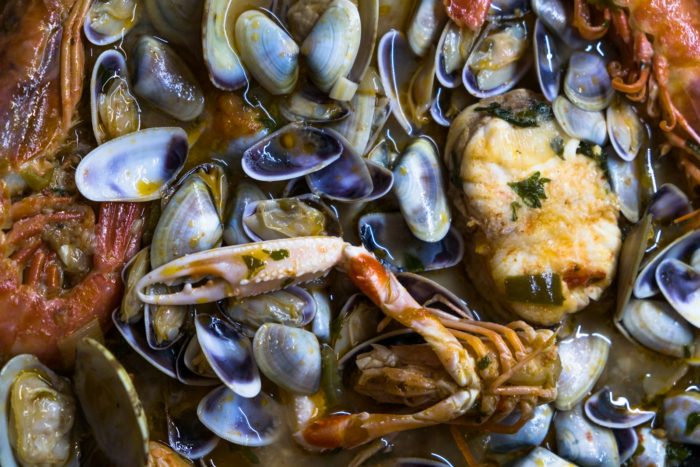
Suquet is a typical seafood dish found in Catalonia. Photo by Pau Casals
Food can shape an entire trip, and along this stretch of the north-east Catalan coastline it often does. The Costa Brava has earned a reputation for rugged cliffs, calm coves and blue-water views, but those who travel with their appetite in mind soon discover something else: a region where cooking is taken seriously, and where even simple dishes carry the weight of tradition. Every town on the Costa Brava has its own way of cooking, shaped by the sea and the seasons. But some places offer a richer experience for anyone who plans their travels with food in mind.
This guide is for travellers who want their meals to be part of the story. Rather than drowning you in endless restaurant lists, the aim is to help you choose towns where the wider food culture shapes everyday life. You’ll find suggestions on what to eat in each place, the sort of restaurants that make those dishes sing and where you might want to stay if you’re planning a short break. Let’s begin where food on the Costa Brava becomes something close to an art form.
Why the Costa Brava is a paradise for food lovers
The Costa Brava has a long tradition of cooking that blends coastal ingredients with inland techniques, and much of the region’s reputation comes from this mix of influences. While individual towns have their own quirks, the broader food culture connects them: fresh produce, seasonal thinking and a habit of treating simple dishes with care.
Sea and mountain working together
Catalan cooking often moves between the coast and the hills. You’ll see it in mar i muntanya dishes, where chicken or pork sits alongside prawns, squid or monkfish. It gives the region a set of flavours that doesn’t crop up elsewhere in quite the same way.
Markets that still matter
Local markets are still part of the weekly rhythm. In Girona, Palamós and L’Escala, stalls open early with fish landed the same morning and vegetables brought in from small inland farms. Even if you’re not planning to cook, walking through a market shows you what the area leans on: prawns, anchovies, tomatoes, artichokes and local cheeses appear again and again.
A region shaped by restaurants
The Costa Brava’s restaurant scene is unusually strong for its size. Some kitchens focus on long-standing family recipes; others take a more experimental route. You can see traces of the region’s culinary ambition in both approaches, whether you choose a straightforward rice dish by the coast or a tasting menu in one of the busier Costa Brava towns.
Girona: A culinary capital with heritage and stars
Girona is the place many food lovers use as their base, partly because it has range: cafés that take their pastries seriously, restaurants that handle traditional dishes with care and a handful of kitchens pushing modern Catalan cooking forward. It’s not a large city, but it has enough depth to keep you occupied for several days, and it sits within easy reach of several towns on the Costa Brava if you want to explore further.
What to eat
Start with a xuixo, a local pastry filled with custard and fried until crisp. It’s one of the few sweets that locals still go out of their way to find. Beyond that, Girona does well with seasonal plates: slow-cooked meats, rice dishes, fish from the nearby coast and the kind of vegetables that only seem to appear when they’re at their best. You’ll see plenty of Catalan standards, but they tend to feel fresher here.
Where to eat
Bookings are essential if you’re planning something special. El Celler de Can Roca is the obvious name, but the city has plenty of places that deliver memorable meals without the long waitlist. Bionbo offers stripped-back cooking with strong flavours, while Nu leans more contemporary without drifting into fussiness. For tapas, locals often steer visitors towards slightly quieter streets where the food is solid and the pace is unhurried.
Where to stay
Girona works well if you want to walk everywhere. Hotels like Nord 1901 and Ciutat de Girona sit close to the old town, making it easy to reach the cathedral, the river and most restaurants on foot. If you prefer something smaller, the city has several tidy guesthouses that offer more privacy without pulling you away from the centre.
Palamós: A working fishing town with world-class prawns
Palamós is one of the few towns on the Costa Brava where you can still feel the pull of the fishing industry as you walk around. Boats come in throughout the day, the smell of the harbour shifts with the weather and the fish market sets the tone for much of the town’s cooking. It’s a practical, lived-in place, and that’s part of its appeal: the food here isn’t dressed up, but the quality is hard to fault.
What to eat
The star of the show is the Palamós red prawn. It’s sweeter and richer than most prawns you’ll find elsewhere, and many visitors end up ordering it more than once. You’ll also see fideuà on menus, a noodle-based cousin of paella, along with simple grilled fish and heavier stews. The emphasis is on freshness, and the best meals often come from dishes with only a handful of ingredients.
Where to eat
La Gamba is the classic choice if you want a clear view of the harbour and seafood cooked with confidence. For something more relaxed, El Celler de la Planassa handles traditional dishes without fuss and is popular with locals. If you want to stay close to the source, the bars near the fish market offer simple plates built around whatever has come in that day.
Where to stay
Hotel Trias sits near the water and has been around long enough to feel part of the town’s backdrop. If you prefer something quieter, there are several small apartment rentals close to the beach, which work well if you plan to stay a few days and explore on foot.
L’Escala: Anchovy country and saltwater flavour
L’Escala is one of the towns on the Costa Brava where a single ingredient shapes the identity of the place. Anchovies have been cured here for generations, and the town still treats them as something worth taking seriously. Walk through the old centre and you’ll spot small factories, specialist shops and restaurants that build whole dishes around them. Even if you’re not usually an anchovy fan, L’Escala has a way of changing your mind.
What to eat
Start with the obvious: anchovies on toast, ideally with tomato rubbed into good bread and a drizzle of oil. From there you can explore simple seafood plates, grilled fish and empedrat, a salad of cod, beans and vegetables that works well in warm weather. The cooking leans towards the honest and the unfussy, and portions tend to be generous.
Where to eat
El Molí de l’Escala is a steady option serving Catalan dishes built around seasonal ingredients, with seafood and vegetables handled particularly well. For a quieter setting by the water, Hostal Empúries offers lighter Mediterranean plates that lean on clean flavours and good produce, making it a comfortable choice after a day on the coast.
Where to stay
Most visitors to L’Escala stay in one of the numerous villas and apartments available across the town. In the centre, a handful of small hotels and family-run places put you within easy walking distance of the old town, the beach and most restaurants.
Cadaqués: Bohemian flair and Mediterranean cooking
Cadaqués has a different feel from many other Costa Brava towns. The roads in are winding, the pace is slower and the whitewashed houses give the place a slightly isolated character. That isolation has shaped its food. The town leans heavily on seafood, but there’s also a long-standing habit of mixing coastal dishes with ingredients from the nearby hills. The result is cooking that’s simple on the surface but often richer than you expect.
What to eat
Seafood is the obvious starting point: grilled squid, sardines, monkfish and the kind of fish you often see in suquet, a Catalan stew with a light broth. You’ll also come across mar i muntanya combinations, which suit the area’s geography. In summer, many menus shift towards lighter plates — tomatoes, salads, cold soups — without losing the town’s typical emphasis on fresh fish.
Where to eat
Compartir is the restaurant most people talk about for good reason. The menu is built around dishes designed to be shared, and it strikes a balance between clear flavours and more modern touches. For something quieter, the smaller places along the waterfront and in the back streets handle grilled fish and rice dishes with care, especially outside the busiest months.
Where to stay
Hotel Playa Sol is a reliable pick if you want to stay close to the water and keep things simple. If you prefer something smaller, the town has several tidy guesthouses tucked away behind the seafront, offering quieter rooms within easy walking distance of most restaurants.
Begur: Chic dining with traditional roots
Begur sits slightly inland, looking out towards some of the best coves on this part of the coast. It’s one of the towns on the Costa Brava that manages to feel both relaxed and a little polished, helped by its old stone houses, quiet squares and a restaurant scene that leans towards quality without drifting into formality. The mix of locals, long-term residents and returning visitors gives the town a steady rhythm, and much of that rhythm revolves around food.
What to eat
Begur’s cooking draws heavily on Catalan basics: botifarra, seafood rice dishes and slow-cooked meats are common, along with lighter plates during the warmer months. The town sits close to the coast, so fish features strongly, but you’ll also find simple vegetable dishes and desserts such as crema catalana. Portions tend to be generous, and menus often shift slightly depending on what’s available from nearby producers.
Where to eat
Restaurant Turandot is a popular choice in the centre, offering a range of Catalan dishes handled with care. It’s the sort of place where you can settle in for a relaxed meal without worrying about formality. For something even simpler, Casa Juanita has a loyal following for its straightforward approach to cooking and its focus on fresh produce. Both places give you a clear sense of Begur’s balance between tradition and comfort.
Where to stay
Begur has a surprising number of small hotels and guesthouses for a town of its size. Hotel Aiguaclara sits in a restored colonial house and has a friendly, lived-in feel, while several boutique hotels in the hills offer quieter stays with good views. If you want quick access to the coves, the beachside areas of Sa Riera and Aiguablava have a mix of hotels and apartments that work well for longer visits.
Pals: Rice fields and rustic Catalan cuisine
Pals is one of the towns on the Costa Brava where the inland setting matters as much as the coastline nearby. The medieval centre, with its stone tower and narrow lanes, sits just a short drive from the rice fields that give the area much of its identity. Cooking here leans towards rural Catalan dishes, with rice playing a central role in many menus.
What to eat
The obvious starting point is arròs de Pals, a rice grown in the surrounding fields and used in everything from simple seafood rice dishes to richer, meatier plates. You’ll also see duck with pears, cured meats and seasonal vegetables from nearby farms. The food tends to be hearty without being heavy, and the flavours are noticeably different from the towns right on the coast.
Where to eat
A dependable option is Restaurant Vicus, which handles local ingredients with confidence and offers a mix of rice dishes and traditional Catalan plates. For something with more of a countryside feel, Es Portal Restaurant & Hotel sits just outside the old town and focuses on cooking that highlights Pals rice in several forms. Both places give you a clear sense of how the area’s ingredients shape its food.
Where to stay
If you want to stay in the old town, a handful of small hotels and guesthouses offer easy access to the medieval streets and nearby restaurants. For a quieter setting, Es Portal’s hotel is a comfortable option, and there are several country houses and rural stays in the surrounding fields that work well if you prefer something slower and more spacious.
Bringing it all together
Food is one of the easiest ways to understand this coastline, and each of these towns on the Costa Brava offers its own version of the region’s appetite. Girona gives you range and depth, Palamós puts you close to the boats, L’Escala leans on its anchovy heritage, Cadaqués brings a slower rhythm, Begur mixes comfort with old-town charm and Pals shows how much the inland fields matter. You don’t need to choose just one. A few days in each will give you a clearer picture of how the area cooks, eats and lives, and your meals will end up shaping the trip as much as the beaches or the views.