When it comes to snorkelling, Costa Brava’s diverse marine life and crystal-clear waters make it an unmatched destination.
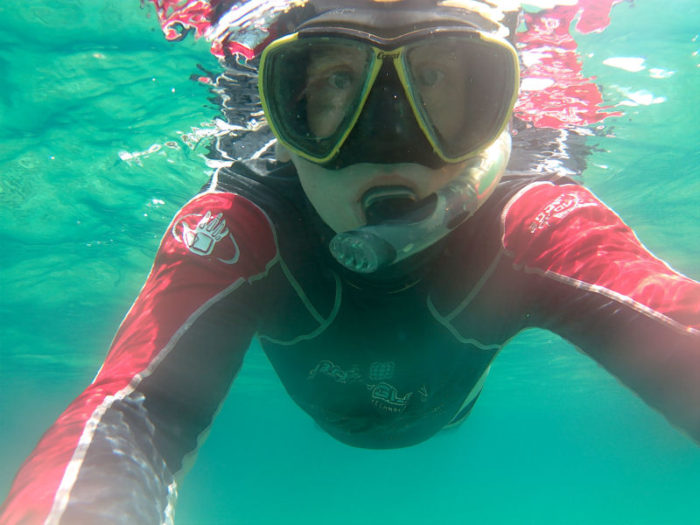
Snorkelling Costa Brava. Photo by David Leigh
The shimmering waters of the Costa Brava reveal the hidden treasures of the Mediterranean beneath their waves. Snorkelling here is remarkably accessible, allowing anyone to dive into a world of vibrant marine life and breath-taking seascapes. With no need for the extensive training or heavy and expensive equipment required for scuba diving, snorkelling stands out as a fun, easy way to connect with nature, offering tranquillity and the thrill of exploration.
The Costa Brava coastline is a gateway to underwater marvels and accessible to just about anyone who can swim. The rocky crevices of Port de la Selva and the serene waters of Cala Montjoi are just a few of the many, many spots along the coastline that provide unique snorkelling experiences. Imagine floating effortlessly above the sea floor, peering down at a kaleidoscope of aquatic life – it’s not only a visual feast but also a celebration of the simplicity and joy of the activity.
Whether you’re looking to go beyond your usual dip to cool off while at the beach or eager to explore the rich marine environments that lie just beneath the surface, snorkelling in the waters of the Costa Brava is a fun and accessible way of exploring the sub-aqua world.
Recommended Costa Brava snorkelling locations
Costa Brava, renowned for its rugged beauty and scenic coastlines, offers a plethora of prime snorkelling destinations. In El Port de la Selva I sometimes used to spend hours watching octopuses and got to know the precise locations where individual creatures could be found.
Once I watched as one of them grabbed a large seashell and attempted to hide behind it. On another occasion a cormorant dived into the water beside me from a nearby rock. I watched as the bird swam past me looking for fish – underwater they are extremely graceful and so very, very fast – before eventually resurfacing and resting before doing it again.
But there are hundreds of great spots for snorkelling. Here are some of the best locations for snorkellers seeking to explore the vibrant underwater world:
- Cap de Creus: Known for its wild landscapes and diverse marine life, Cap de Creus has a huge abundance of excellent snorkelling spots. These include the area surrounding Cadaqués and El Port de la Selva where the rocky coastline is teeming with marine life.
- Platja Castell: This almost entirely undeveloped beach has rocky areas at each end. Its pristine natural setting makes it one of the best places for snorkellers who enjoy discovering the unspoiled habitats of Mediterranean marine life.
- Platja de Sant Pol: This beach is set in a bay flanked by rocks on either side, providing excellent snorkelling opportunities. The clear waters and accessible rocky areas make it a favourite for exploring with a snorkel.
- Llafranc: This quaint and beautiful beach offers a combination of sandy stretches and accessible underwater rock formations. It is especially suitable for families and first-time snorkellers, providing a gentle introduction to the wonders of snorkelling.
- Aiguablava: Known for its stunning turquoise waters and fine sandy beach, Aiguablava is a visually striking snorkelling location. The sheltered bay is home to a colourful array of fish and plant life, perfect for those looking to enjoy a vibrant underwater exploration.
This is far from an exhaustive list though. There are so many rocky coves on the Costa Brava it is impossible to know them all.
Essential snorkelling tips
Whether you’re just starting out or you’re a seasoned snorkeller, there are several key tips that can enhance your experience and ensure safety while exploring the underwater wonders of Costa Brava. Here’s what you need to know:
Safety
- Never snorkel alone: Always have a buddy with you, even if you are experienced. This ensures assistance is nearby in case of any unexpected situations.
- Be aware of your surroundings: Keep a lookout for boat traffic and strong currents. Being aware can prevent accidents and make your snorkelling trip safer.
- Know your limits: Stay within areas that match your swimming and snorkelling skills. If you’re not a strong swimmer, consider shallower, calmer spots.
- Stay hydrated and protected from the sun: Even though you’re surrounded by water, snorkelling can be dehydrating. Drink plenty of water before and after your sessions, and use waterproof sunscreen to protect your skin from the sun.
Best times for snorkelling
- Early morning or late afternoon: These times often offer the calmest sea conditions and the best visibility. Avoid midday when the sun is strongest, especially during the summer months.
Equipment
- High-quality snorkel and mask: A good fitting mask is crucial for clear vision and comfort. Make sure the snorkel has a purge valve for easier water clearance.
- Appropriate fins: Depending on the snorkelling site, you may need longer fins for open water or shorter ones for shallow areas. Ensure they fit well to avoid blisters.
- Wetsuit or rash guard: These are not just for warmth; they also protect against sunburn and scratches from rocks or marine life.
- Floating device: Especially for beginners or those snorkelling in deeper waters, a floating device can provide extra security and stamina.
Making the most of snorkelling
- Local marine life: The waters of Costa Brava are teeming with fascinating creatures. While it’s exciting to observe them up close, always maintain a respectful distance to avoid disturbing their natural habitats.
- Bring a waterproof camera: Capturing images or videos of your underwater encounters can add an extra layer of excitement to your snorkelling trips. A waterproof camera or a waterproof case for your smartphone allows you to document the vibrant marine life and scenic underwater landscapes, which you can share with friends or reflect on later.
- Join guided snorkelling tours: For a more educational experience, consider joining a guided snorkelling tour. These tours are often led by knowledgeable guides who can provide insights about the marine ecosystems, point out hidden underwater treasures, and ensure you visit the best spots safely.
- Explore new locations: While you may have favourite spots, exploring new locations can keep your snorkelling adventures exciting and varied. Each area of Costa Brava offers unique landscapes and marine life, providing endless opportunities for discovery.
Following these tips will ensure that your snorkelling adventures in Costa Brava are not only enjoyable but also safe and respectful of the environment.
Local marine life
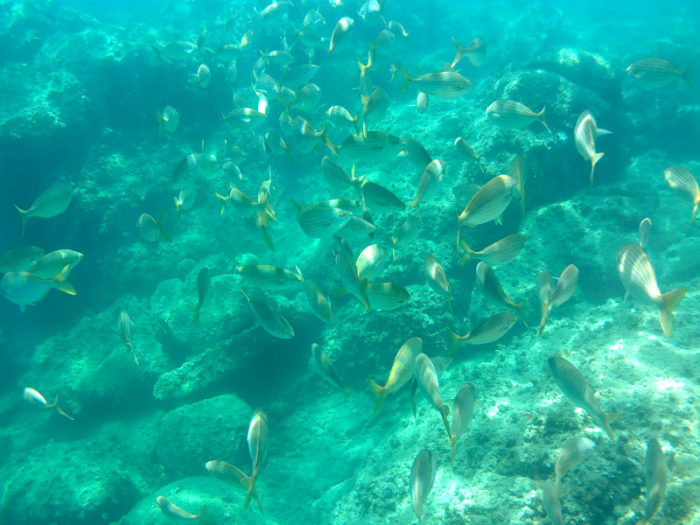
A shoal of fish at Platja de Castell. Photo by David Leigh
The Costa Brava is renowned not just for its stunning landscapes but also for its diverse and vibrant marine ecosystems. The clear waters of this Mediterranean coast serve as a sanctuary for a multitude of marine species, offering snorkellers a captivating glimpse into the underwater world. Here’s a closer look at what you can expect to see and how to interact responsibly with the local marine life:
Common marine species
- Fish: The waters are teeming with life, including schools of painted comber, Mediterranean rainbow wrasse, and common two-banded sea bream. In the Medes Islands area, you might also encounter large groupers, known for their size and sociable nature, while in L’Escala you may encounter large shoals of the anchovies for which the town is famous.
- Octopuses: These intelligent creatures are often seen camouflaged among the rocks.
- Sea urchins and starfish: Frequently spotted along the rocky seabed, these species are vital components of the marine ecosystem. Be cautious of sea urchin as their spines are painful and can be difficult to remove from hands and feet.
Conservation and respect for nature
- Maintain a safe distance: Always keep a respectful distance from all marine life to prevent causing them stress or harm.
- Do not touch: It’s important to avoid touching marine creatures or coral as this can cause damage and distress. This is especially true for sea urchins, which are not only delicate but can also cause injury with their sharp spines.
- Avoid feeding: Feeding fish or other marine animals disrupts their natural diets and behaviours, leading to ecological imbalances.
The role of snorkellers in conservation
- Be observant, not disruptive: Treat your snorkelling excursions as opportunities to observe and learn. Being aware can help support conservation efforts by monitoring the health of marine environments.
- Participate in local initiatives: Engaging in local programs that involve snorkellers in data collection or clean-up activities can make a significant positive impact on marine conservation.
Exploring the rich marine life of Costa Brava is both a privilege and a responsibility. By adhering to these guidelines, snorkellers can help ensure that their impact on the ecosystem is minimal while still enjoying its extraordinary beauty.
Snorkelling tours
Exploring the Costa Brava through snorkelling is an unforgettable experience, made even better with the right support and equipment. Whether you’re a novice looking for guided tours or an experienced snorkeller in need of high-quality gear, there are numerous options available throughout the region. Here’s what you need to consider when choosing tours and rentals:
Choosing the right snorkelling tour
- Research local companies: Look for operators with positive reviews and strong safety records. These companies often provide expert guides who can enhance your snorkelling experience by pointing out hidden spots and explaining more about the marine life you encounter. In most towns you’ll find these near the port.
- Consider the focus of the tour: Some tours specialize in ecological education, while others might focus on maximizing the number of sites visited. Choose a tour that aligns with your interests and snorkelling ability.
- Quality of equipment: Ensure that the snorkel gear you rent is of high quality and well-maintained. A good mask, snorkel, and fins are crucial for a comfortable and safe snorkelling experience.
- Fit and comfort: Try on equipment before renting to make sure everything fits properly. Poorly fitting fins can lead to blisters, and a leaky mask can distract from the snorkelling experience.
By selecting the right tour and rental service, your snorkelling trip in Costa Brava will not only be memorable but also comfortable and educational. These services can help you explore the rich underwater landscapes safely and informatively.
Conservation efforts and local regulations
The Costa Brava is not only a beautiful destination but also a sensitive ecological zone. The region has implemented various conservation efforts and regulations to protect its marine environments. As a snorkeller, understanding and complying with these guidelines is crucial for preserving the natural beauty and health of the ecosystems. Here’s an overview of the key initiatives and rules:
Local conservation projects
- Marine protected areas: Certain areas along Costa Brava, such as the Medes islands, have been designated as marine protected areas to conserve marine biodiversity. These areas often have restrictions on fishing, boating, and sometimes snorkelling to protect sensitive habitats.
- Beach and underwater clean-ups: Regular clean-up events are organized by local environmental groups and dive shops. Participating in these events can be a rewarding way to contribute to the environment while snorkelling.
Key regulations
- Restricted areas: Be aware of and respect any signage or buoy markers that denote protected areas where access may be restricted to reduce human impact.
- Waste disposal: It’s essential to carry back any trash or belongings to prevent pollution. Even biodegradable items like food scraps should not be left behind as they can disrupt local wildlife.
The role of snorkellers in supporting conservation
- Don’t touch: Avoid touching or disturbing marine life to help prevent damage to coral reefs and other marine habitats. In protected areas it is prohibited entirely.
- Education and awareness: Educating yourself and others about the local marine environment and its challenges can help foster a community of responsible snorkellers.
- Supporting local conservation efforts: Engaging with and supporting local conservation initiatives, either through volunteer work or donations, can make a significant impact.
By respecting these conservation efforts and local regulations, snorkellers can ensure that Costa Brava remains a vibrant and pristine snorkelling destination for generations to come.
Embrace the underwater adventure
Snorkelling in Costa Brava offers more than just a chance to cool off on a hot day; it’s an opportunity to engage deeply with the natural world. The clear waters, abundant marine life, and varied landscapes make this region a snorkeller’s paradise. By following the tips shared, you can ensure your snorkelling adventures are not only enjoyable but also safe and respectful of the environment.
As you explore the underwater realms of Costa Brava, each dive can be a step towards greater appreciation and understanding of marine biodiversity. Remember, each snorkelling trip is a chance to connect with nature, learn something new, and create lasting memories.
Whether you’re a seasoned enthusiast or a beginner eager to explore, Costa Brava’s waters await you with countless tales and treasures. Dive in, respect the natural beauty, and let each snorkelling experience enrich your love for the sea and its inhabitants.