From tucked-away coves to inland villages, the Costa Brava still offers peaceful places to stay with real character.
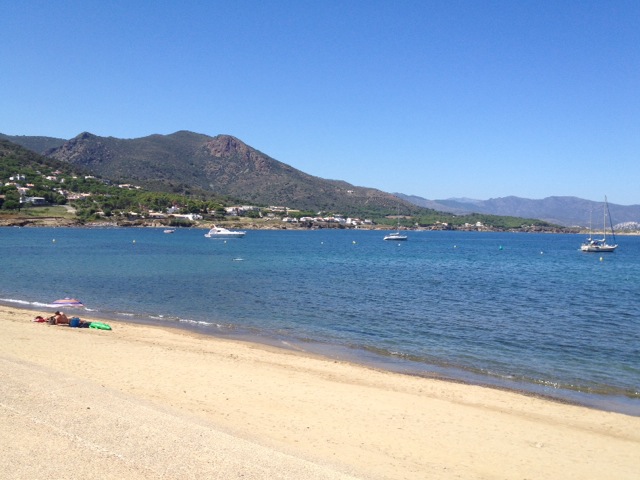
Port de la Selva main beach. Photo by David Leigh.
For many people, the Costa Brava conjures up images of busy beaches, souvenir shops and ice-cream queues stretching down the promenade. But the reality is far richer – and far quieter. Beyond the summer crush lies a coastline shaped by cliffs, pine forests and small fishing villages that still live at their own rhythm. If you know where to look, there are parts of the Costa Brava where mornings start with birdsong, not jet skis, and the loudest noise is the sound of cutlery in a courtyard restaurant at lunch.
Those seeking peaceful places to stay in the Costa Brava will find that the region still has corners locals quietly keep to themselves. Some hide in the folds of the hills, others sit just behind the main resorts where most visitors never venture. The key is knowing where the crowds stop — and what kind of traveller each area suits once you step beyond them.
In this guide, we’ll explore the quieter side of the Costa Brava: the small towns, coastal paths and inland villages that still feel authentically Catalan. You’ll find suggestions for boutique hotels, rural farmhouses and eco-retreats that match the mood of each place, along with tips on when to go and how to keep things peaceful. It’s not about isolation, but about balance. It’s the sweet spot between comfort and calm.
What we mean by “hidden”
When people talk about the hidden Costa Brava, they often imagine somewhere cut off from the world — a remote cove or a mountain hamlet miles from the nearest café. In truth, the real meaning is gentler than that. Hidden doesn’t mean hard to reach; it means unspoilt, lived-in, and unbothered by crowds. It’s the version of the coast where fishing boats still line the sand, and locals greet each other by name at the morning market.
Many of these places sit just a few kilometres from well-known resorts, separated not by distance but by atmosphere. You might drive through a busy town like Platja d’Aro and, twenty minutes later, find yourself in a quiet valley where life slows to the pace of the breeze. These are the spots where you’ll discover the kind of places to stay the Costa Brava is best at — small hotels, family-run guesthouses and rural retreats that blend into their surroundings.
The hidden Costa Brava is less about finding isolation and more about finding balance. It’s where you can swim in a clear cove in the morning, have lunch at a village square café, and end the day watching the light fade over olive groves. The appeal lies in the ease — being able to enjoy everything the region offers without feeling part of the rush.
Northern Costa Brava: wild and untamed beauty
The northern stretch of the Costa Brava feels wilder, more elemental. The coastline twists into sharp headlands, small coves appear out of nowhere, and the Tramuntana wind shapes both the landscape and the people who live there. It’s a region for those who like things rugged and real — artists, walkers, and anyone who’d rather listen to cicadas than traffic.
Port de la Selva
At the far edge of the Cap de Creus Natural Park, Port de la Selva still feels like a working village rather than a resort. Small boats bob in the harbour, and most of the hotels are small and locally run. Stay in one of the apartments overlooking the bay or a converted fisherman’s house. It’s ideal for travellers who like walking trails, quiet seafood restaurants and easy access to wild beaches that never seem crowded.
Cadaqués
Just around the headland, Cadaqués is more famous but still manages to feel secluded outside peak season. The whitewashed houses, narrow lanes and views over the bay have drawn painters and writers for decades, yet it remains refreshingly human in scale.
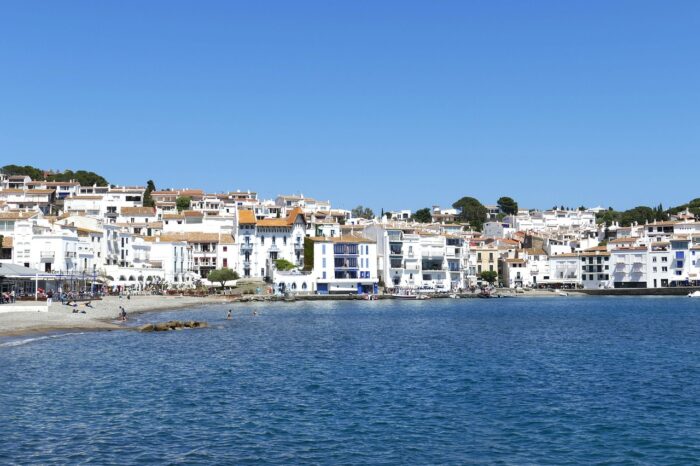
Cadaques is one of the Costa Brava’s most picturesque villages. Photo by Falco
There are charming places to stay in Cadaqués itself, but those looking for real quiet should head a few kilometres inland to the hamlet of El Portlligat or the hills above the town.
Garriguella and Vilajuïga
Move inland and you’ll find wine country — rolling hills of olive trees, vineyards and ancient farmhouses. Here, the places to stay near the Costa Brava are rural masías, many lovingly restored by families who’ve lived here for generations. You’ll wake to the sound of birds and breakfast on fresh bread and olive oil from the farm next door. It’s peaceful, authentic and perfectly positioned for exploring both the coast and the mountains.
The northern Costa Brava suits travellers who prefer the path less taken. It’s a landscape that rewards curiosity, where every bend in the road seems to reveal another viewpoint or tiny chapel. Quiet, natural and deeply Catalan, it’s where the region’s wild spirit still lives.
Central Costa Brava: quiet corners between the hotspots
The central part of the Costa Brava is where most visitors pass through, but few stop long enough to find its quieter side. Between the headline resorts and the busy promenades are small coves, pine-covered hills and medieval villages that still feel untouched. For travellers who want calm without complete isolation, this area offers the best balance — you can dip into the coast when you want, then retreat to somewhere peaceful when you don’t.
Begur and its hidden coves
Begur’s name is well known, but its smaller beaches — Sa Tuna, Aiguafreda and Aiguablava — are a different story. Tucked into the cliffs, they’re connected by a network of coastal paths that lead past pine trees and old fishermen’s huts. The town itself sits slightly inland, a jumble of ochre houses and small boutique hotels. The places to stay near Begur tend to be stylish but relaxed, often in renovated villas with shaded terraces and sea views that feel almost private.
Tamariu and Llafranc
Both of these seaside villages are loved by Catalan families who return year after year. Tamariu has a crescent-shaped beach framed by rocky cliffs, while Llafranc offers a touch more polish with a pretty promenade and a handful of discreet hotels.
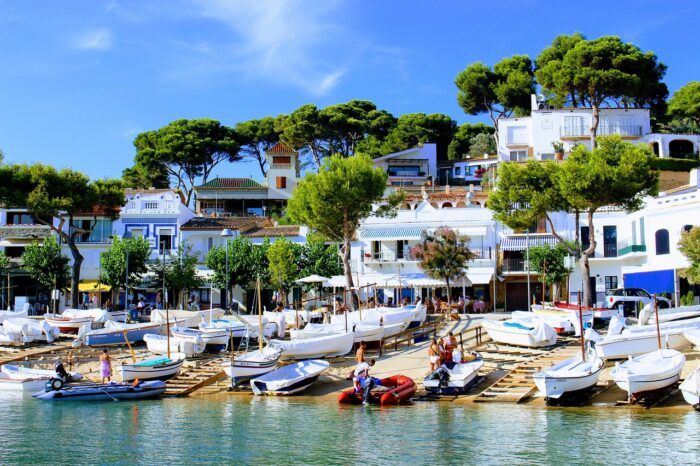
Boats on the beach at Llafranc. Photo by lloydcl2.
For those who want the Costa Brava but without the crowds, these two offer just enough life to feel local without tipping into tourism overload.
Peratallada and Palau-Sator
A short drive inland takes you to a cluster of medieval stone villages that seem frozen in time. Narrow lanes, shuttered windows, tiny restaurants serving local wine — everything feels quietly authentic. The places to stay in this part of the Costa Brava are often small agroturismos or bed and breakfasts set within old farmhouses. They’re perfect for travellers who like long lunches, gentle walks and evenings spent listening to crickets under a clear sky.
In this part of the coast, peace isn’t about distance but discovery. The central Costa Brava rewards those who look a little closer, offering beauty and calm in equal measure.
Southern Costa Brava: tranquillity with easy access
The southern end of the Costa Brava has a different rhythm. It’s closer to Girona and Barcelona, which makes it more convenient, but it still holds quiet corners that feel far removed from the busier towns. This stretch is ideal for short breaks or travellers who want calm without the long drives.
Sant Feliu de Guíxols
Once a working port, Sant Feliu has evolved into a relaxed coastal town that keeps its local heart. The promenade is lively without being loud, and the beaches are clean and easy to reach. There are a handful of small hotels and apartments here that attract those who prefer a quieter base with good food and easy access to the rest of the coast. It’s the kind of place where you can spend a morning at the market, lunch by the sea and be back on the terrace in time for sunset.
Tossa de Mar
Tossa’s medieval old town is the postcard image of the Costa Brava, yet much of it remains peaceful once day-trippers leave. The narrow streets behind the walls hide family-run hotels, small guesthouses and apartments with views over the bay.
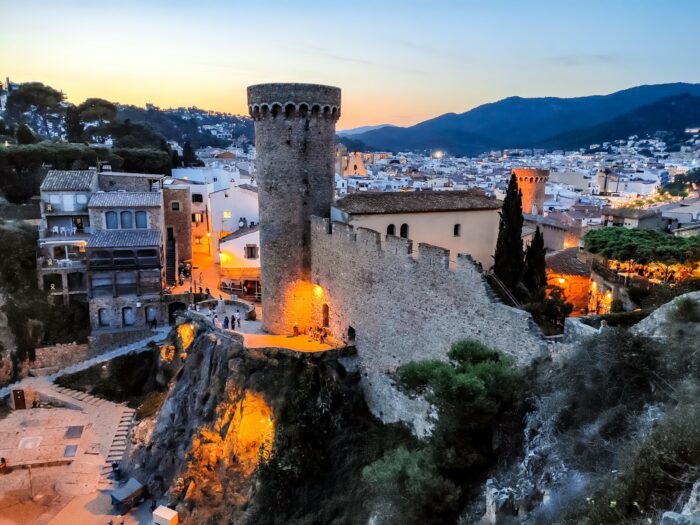
Tossa de Mar’s castle at sunset. Photo by Joshua Kettle.
If you choose your accommodation carefully, you can have the charm of the town without the noise — one of the few spots on this coast that manages both character and convenience.
Calonge and Romanyà de la Selva
A few kilometres inland, Calonge and Romanyà de la Selva are surrounded by vineyards and cork oak forests. They’re perfect for anyone looking for rural places to stay near the Costa Brava, yet still within easy reach of the sea. Expect restored farmhouses, boutique bed and breakfasts and the occasional vineyard hotel. These are restful places, where evenings are spent outside with a glass of Empordà wine and the air smells faintly of pine.
The southern Costa Brava works well for travellers who want the best of both worlds — quiet nights, easy travel and good food within a short drive. It’s proof that you don’t have to go far to find peace on this coastline.
Where to stay: boutique hotels, farmhouses and eco-retreats
The Costa Brava has an instinct for hospitality that feels quietly personal. Even in the smallest villages, there’s usually somewhere to stay that reflects the spirit of the place — not flashy or themed, just thoughtfully run by people who care about the details. Whether you prefer the sea or the hills, you’ll find accommodation that matches the slower rhythm of the region.
Boutique hotels
Scattered through towns like Begur, Peratallada and Llafranc, small boutique hotels offer comfort without fuss. Many occupy restored townhouses or family villas, each with its own sense of place — terracotta tiles, whitewashed walls, and a courtyard shaded by olive trees. They suit travellers who want the convenience of the coast with a little privacy, where breakfast might come with homemade jam and the morning paper rather than a buffet queue.
Rural masías
Further inland, traditional Catalan farmhouses known as masías offer a more grounded experience. These old stone buildings are often surrounded by vineyards or olive groves and run by families who’ve lived in the area for generations. Staying in one gives you a real sense of the land; evenings are often spent eating what’s been grown or produced nearby. The best ones are within an easy drive of the coast, giving you both countryside calm and beach access.
Eco-lodges and agroturismos
In recent years, a growing number of eco-lodges have appeared along the Costa Brava. These are places designed to blend into their surroundings rather than dominate them — think solar panels, natural pools and kitchen gardens. They attract travellers who like sustainability without sacrificing comfort. Many of these properties sit on the edges of natural parks or near walking trails, perfect for anyone looking to enjoy the landscape gently.
Wherever you stay, the key is scale. The most rewarding places to stay in the Costa Brava tend to be small, often family-run, and rooted in the community. They’re the kind of spots that remember your name, suggest a local restaurant and make you feel like a guest rather than a booking reference.
Travel smart for a quieter experience
Finding the quiet side of the Costa Brava isn’t just about where you go; it’s also about how and when you travel. A few small choices can make the difference between a peaceful escape and a week spent dodging crowds.
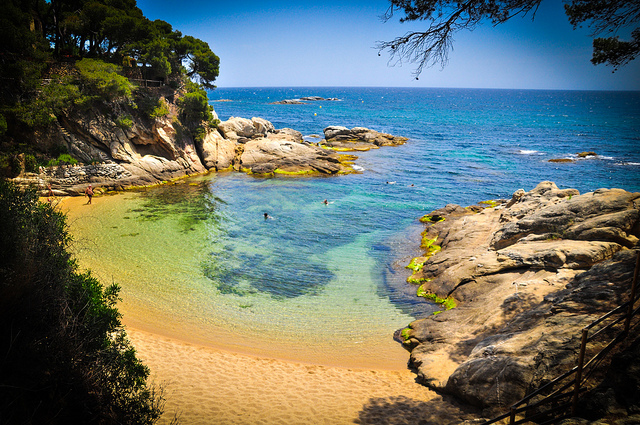
Photo by Jordi Sanchez Teruel.
Timing matters
The secret season for the Costa Brava runs from May to June and again from September to mid-October. The weather is still warm enough for swimming, but the beaches and roads are calm. Many hotels offer lower rates, and restaurant owners have time to chat. July and August are fine if that’s your only window, but expect busier beaches and full car parks by mid-morning.
Book with care
Because the best places to stay in the Costa Brava are small, they fill quickly. Booking a few months ahead gives you the widest choice. If possible, aim for midweek stays — you’ll often find a quieter atmosphere and better value. When browsing online, look for photos that show space and greenery rather than crowds of sunbeds, and check reviews for mentions of noise.
Getting around
To explore properly, hire a car. Public transport connects the main towns, but the most peaceful spots are often a few kilometres inland or tucked at the end of narrow coastal roads. Driving also lets you visit local markets, vineyards and viewpoints at your own pace. If you prefer not to drive, base yourself in a town like Begur or Tossa de Mar, where you can walk or use local taxis for short hops.
Slow down
Part of enjoying the quieter Costa Brava is adjusting your rhythm. Have long lunches, take the back roads and let the day unfold rather than rush it. You’ll see more, spend less, and probably end up talking to locals who’ll point you to places no guidebook mentions.
Your peaceful Costa Brava awaits
The Costa Brava still has room for quiet. Behind the well-known resorts lies a coastline full of small discoveries — fishing villages that still feel local, farmhouses surrounded by olive trees, and family-run hotels where the loudest sound at night is the sea. The challenge isn’t finding them, but knowing where to look.
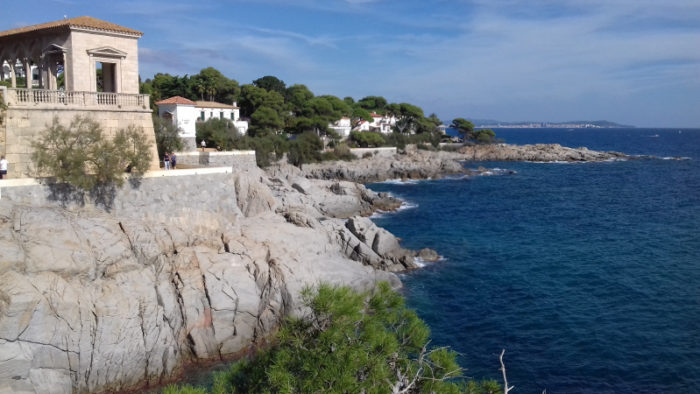
The coastal path at S’Agaró. Photo by David Leigh.
From the wild coves of the north to the wooded hills of the south, the best places to stay near the Costa Brava all share a common thread: simplicity, character and space to breathe. They’re places that don’t compete for attention, but reward those who take their time.
If your idea of a good trip is good food, clean air and the sense that you’ve found somewhere special without having to shout about it, the hidden Costa Brava is waiting. All you need is curiosity, a map, and a willingness to turn off the main road.