When it comes to scuba diving, Costa Brava’s coast offers thrills for divers of all levels.
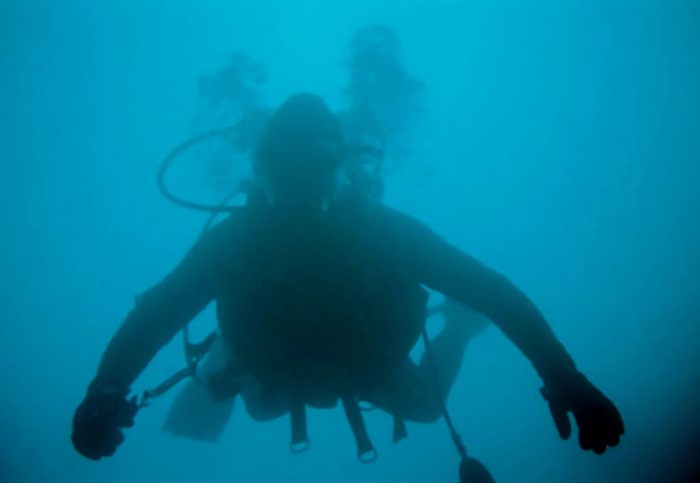
Scuba diving on the Costa Brava
Nestled on the north-eastern coast of Spain, Costa Brava boasts some of the most picturesque landscapes above and below the water. Renowned for its rugged cliffs and hidden coves, this region also offers a thriving underwater world that beckons scuba divers from around the globe. From beginners seeking their first breath underwater to seasoned divers exploring the deep, scuba diving on the Costa Brava presents an exceptional array of sites characterised by clear waters, diverse marine life, and a variety of underwater terrains.
Whether you’re looking to explore ancient shipwrecks, glide over vibrant coral reefs, or encounter schools of colourful fish, it’s an escape into a world where every dive is an adventure and every view a story. In this guide, we dive deep into what makes Costa Brava a top choice for divers seeking the ultimate underwater experience.
The Costa Brava’s best scuba diving sites
While there are plenty of dive sites along the rugged coast of the Costa Brava, some of the best dive spots are located at the Medes Islands, a mile off Estartit, and Cap de Creus. Scuba diving is massively popular during summer and both areas are designated natural parks where it is forbidden to remove anything from the seabed. Both offer unique underwater landscapes and vibrant marine ecosystems. Both not only showcase the natural beauty of the underwater world but are also perfect for underwater photography, thanks to their clear waters and abundant light.
The Medes Islands
The Medes were at one time popular among divers harvesting coral, but since a ban was enacted in 1990 the coral has grown back spectacularly. Located a mile off the popular beach resort of Estartit, the archipelago consists of seven islands with a large number of dive sites. The islands are ideal for both beginners and advanced divers, providing a safe yet exciting diving experience with many sites in the 20-25 metre range, while others go down to 50 metres. Divers here can enjoy clear waters and encounters with a wide array of marine species thanks to its protected status, which has resulted exceptional biodiversity and well-preserved underwater environments.
There are also cave systems to explore, although since they are quite open they require nothing in the way of special equipment. One thing you’re likely to encounter in the caves here such Dofi Sud as are the large groupers that inhabit them. The fish are well over a metre in length and completely tame; they’ll often follow divers around on the dive and they get so close you can reach out and touch them. Amazing.
The number of dive boats is strictly controlled into the area and there is an additional tax charged for diving in the area, which will be included in the cost of a boat dive.
Cap de Creus
While the sandy coastline between L’Escala and Roses is great for beach lovers, there is nothing there in the way of diving until you get to Roses. Known for its wild beauty and challenging dive sites, Cap de Creus offers dramatic underwater landscapes with rocky outcrops and steep walls that plunge into the deep blue. It’s a haven for experienced divers who seek thrilling adventures and wish to explore a diverse marine life thanks to its status as a marine reserve.
Depths can reach in excess of 40 metres, with currents that come up out of nowhere. I remember on one particular occasion diving to 40 metres at a site called Massa d’Or, when the current came up suddenly during a safety stop. We had to cling onto the rocks to avoid drifting too far as we weren’t yet close enough to the line on which to ascend. It doesn’t always happen, but you do need to be aware of it.
The visibility can be extraordinary though and, just like the Medes Islands, you may see some big groupers. I’ve dived at a number of sites here from both Port de la Selva and Llançà located on the north of Cap de Creus; I’ve also dived at a number of other sites on the south side of Cap de Creus from L’Escala. The trip is rather long, but the dives worthwhile.
And while I’ve never gone out on a boat from the dive operators at Cadaqués, I’ve hired an air tank to dive at Es Caials to dive the wreck of the Llanishen.
Wreck diving
For those interested in wreck diving there are a number of options. Each wreck tells a story, offering a window into the past and a refuge for marine life.
- Reggio Messina was deliberately sunk near the cliffs between Estartit and L’Escala to relieve the pressure on some of the local dive sites by providing an alternative. Its structure attracts a variety of aquatic life, and a fairly straightforward dive. More experienced divers can explore inside the wreck.
- Marmoler sank a mile offshore from L’Escala during a storm, taking its cargo of marble to its final resting place 40 metres below. The boat is intact but visibility can be poor and you should carefully plan your dive at this depth and ensure you start your assent with plenty of time. But the wreck is worthwhile doing to swim along the length of the boat and the vicinity around it.
- Llanishen was a British merchant ship that sank after being torpedoed by a German sub during World War I. Its proximity to shore and make it accessible from the beach of Es Caials near Cadaqués, although little remains intact. It lies in 12-17 metres of water and the site is sheltered from the northerly Tramuntana, which can otherwise stop dive centres from sending out dive boats. While there is not much left of the wreck, the site is good for an explore although you do need to be careful about boat traffic while entering and exiting the water as you’ll be on a similar path.
- Trégastel was a French boat which ran aground in 1938 in Cala Bona, also near Cadaqués.
- Boreas is an old tugboat sitting upright in 30 metres of water near Palamós. Like the Reggio Messina, the wreck was deliberately sunk to serve as an artificial reef and has been colonised by marine life.
Each of these sites offers not only stunning views and marine life but also supports divers of various skill levels. Whether you are making your first dive or your hundredth, the diversity of diving spots in Costa Brava ensures that there is always something new to discover beneath the waves.
What to expect
Scuba diving in Costa Brava is marked by varying conditions throughout the year, each season offering a unique perspective of the underwater world. Understanding these can greatly enhance your diving experience.
Visibility in Costa Brava can range broadly from 5 to more than 30 metres, influenced heavily by the weather and sea conditions. The best visibility is typically found during the autumn and spring months when the water is calm and less disturbed by tourist activities. These periods allow for crisp, clear views of the sea floor and its inhabitants.
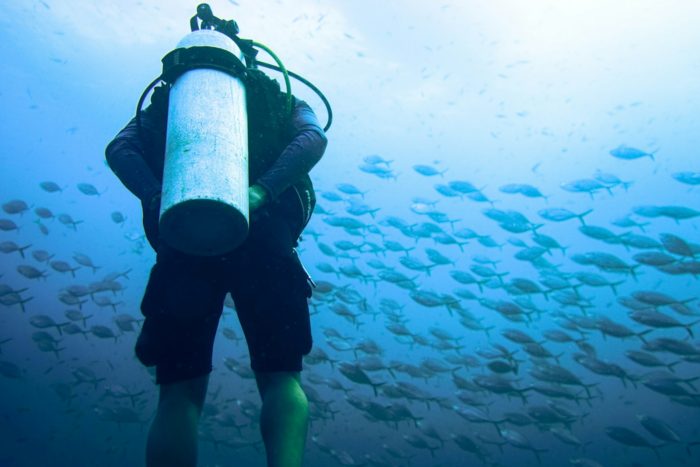
Water temperature fluctuates with the seasons. During the summer months, from June to September, temperatures can rise up to 25 degrees Celsius, making it comfortable to dive with a thin wetsuit or even a swimsuit. In contrast, the winter months see temperatures dropping to around 13 degrees Celsius, requiring a thicker wetsuit or even a dry suit for the more adventurous diver.
The marine life in Costa Brava is as rich and varied as the landscape above water. Diving here, particularly around the Medes Islands and Cap de Creus, you’ll encounter a remarkable diversity of species. The Medes Islands are renowned for their protected status, which has resulted in a thriving ecosystem where large groupers and abundant shoals of smaller fish are common sights. Cap de Creus, with its rugged underwater landscapes, is home to octopuses, moray eels, and the occasional sunfish.
These areas are also ideal for underwater photography, offering clear waters and vibrant scenes filled with marine flora and fauna. Seasonal changes bring different creatures to the forefront, making every dive a unique exploration.
Understanding these factors will help you choose the best time for your dive and prepare appropriately, ensuring a comfortable and enriching experience.
Choosing a dive centre
All Costa Brava scuba diving centres are accredited by recognised diving authorities such as PADI (Professional Association of Diving Instructors) or SSI (Scuba Schools International). These certifications guarantee that the institution adheres to international safety standards and best practices in their courses and guided dives. Often the choice of dive centre will be down to location. Many towns have a dive centre offering boat dives, equipment hire, bottle filling and dive classes.
In Estartit there are at least five dive centres vying for business in the port, with twice or more daily trips to the islands. They are well organised with a shared bottle refill facility, which makes life quite a bit easier than having to lug an air tank from the dive centre to the quayside.
The boats are all well appointed, instructions will often be given in Catalan (depending on the nationality of the dive centre operators) and Spanish, but French is also common as well as English. They tend to have maps of the area giving an idea of the layout.
There are a number of dive operators also in nearby L’Escala. While most of the dives they offer are to local dive sites – and there are plenty around L’Escala – during peak season they also offer two or three trips to the Medes each week too. You’ll need to find out what they are offering at any particular time.
If you need to decide between different operators then first of all establish if they can provide what you want. It’s also a good idea to try and get a feel for their experience and local knowledge, how comfortable they make you feel and, of course, looking online for customer feedback. The right dive centre can significantly enhance your diving experience.
Responsible diving
Beyond following the regular diving safety protocols it is also important to adhere to environmental protocols to help preserve the marine environment.
- Understand local regulations and conditions: Each diving location in Costa Brava may have specific rules designed to protect its unique ecosystem. Familiarise yourself with these regulations before diving and take notice of pre-dive briefings.
- Weather and sea conditions: Always check the local weather and sea conditions before a dive and plan accordingly. Changing conditions can dramatically affect the safety and enjoyment of your dive. While many dive centres won’t go out if the northerly Tramuntana is blowing strongly, if you do go out in rough sea you’ll need a strong stomach.
- Respect marine life: Avoid touching, feeding, or disturbing marine wildlife. Remember, you are a visitor in their home.
- Control your buoyancy: Good buoyancy control prevents accidental damage to the seabed and marine organisms. Practice in controlled conditions if you are unsure about your skills.
- Follow no-take rules: Do not remove anything from underwater environments, whether it’s marine life or artefacts. Take only pictures, leave only bubbles.
- Participate in eco-diving initiatives: Engage in or support diving operations that prioritise environmental sustainability. This can include participating in underwater clean-ups or choosing eco-certified diving operators.
By following these tips, you contribute to a safer diving experience for yourself and others while helping to preserve the vibrant underwater life that makes Costa Brava such a special diving destination.
Let the adventure begin!
Scuba diving in Costa Brava is more than just an activity; it’s an exploration of a hidden world, teeming with life and steeped in history. With its diverse range of diving sites, from tranquil coves to thrilling wrecks, this stunning region caters to divers of all levels. Whether you’re making your first dive or seeking to expand your skills with advanced courses, Costa Brava offers a spectacular backdrop for your underwater adventures.
As you plan your dive, remember the importance of choosing the right dive school, respecting marine life, and adhering to safety protocols. By doing so, you not only ensure a memorable and enjoyable experience but also contribute to the sustainability and preservation of this beautiful underwater world.
So, gear up, dive in, and discover why scuba diving on the Costa Brava remains a top choice for divers around the world. Each dive is a story, each breath an exploration, and each moment a memory waiting to be cherished in the depths of the Mediterranean.