Catalan Christmas food: traditional meals and festive flavours
December 24, 2025Catalan Christmas is a season of rich flavours, family gatherings, and treasured culinary traditions.
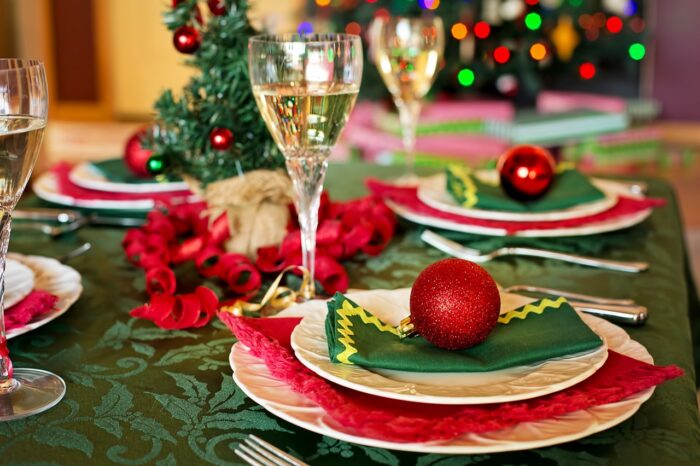
Christmas is a time for enjoying good food with your family. Photo by Jill Wellington
Catalonia’s Christmas season is a time for family gatherings, age-old customs, and, of course, delicious food. Catalans celebrate with a series of unique meals and traditions, each day from Christmas Eve (La Nit de Nadal) to Boxing Day (Dia de Sant Esteve) bringing its own flavours and festivities. From the quirky Caga Tió tradition to the hearty Christmas Day feast and Boxing Day’s beloved canelons, Catalan holiday cuisine reflects the warmth, heritage, and creativity of the region. Here’s a look at what makes Catalan Christmas food so special.
Christmas Eve
Christmas Eve in Catalonia, or La Nit de Nadal, is a night for family gatherings, light meals, and lively traditions. Although it’s more low-key compared to Christmas Day, this evening holds its own special customs, and is the perfect prelude to the holiday season.
Christmas Eve traditions
Midnight Mass (La Missa del Gall): Many Catalan families attend Midnight Mass, known as La Missa del Gall, to mark the arrival of Christmas. Held at midnight on Christmas Eve, this traditional service is a way for families to gather, reflect, and celebrate together. Some churches add a touch of festivity to the solemn service with live music or nativity plays, making it a special tradition for families who attend each year.
Caga Tió (The Pooping Log): A unique Catalan Christmas tradition that brings a playful element to the evening is Caga Tió, or “The Pooping Log.” A log adorned with a painted face and a red hat, Caga Tió has been “fed” by children throughout December, often with nuts and fruit. On Christmas Eve, children take turns tapping the log with a stick while singing traditional songs, and the log “poops” out small presents or sweets. This fun custom is a cherished part of Catalan holiday celebrations, especially for families with young children.
Christmas Eve dinner
Unlike other parts of Spain where Christmas Eve is the main feast, in Catalonia, it’s typically a lighter, more intimate meal before the main celebration on Christmas Day. Families gather to enjoy a simple yet flavourful dinner that sets the mood for the holidays.
Pica-pica: The meal often starts with pica-pica, or small plates, a style that’s popular across Catalonia. Typical appetisers include embotits (Catalan cured meats), olives, and small bites of seafood like prawns or anchovies.
Seafood dishes: Although seafood is more commonly associated with New Year’s Eve in Catalonia, some families may include a small seafood course, such as prawns, salted cod, or clams, as part of their Christmas Eve meal. These light dishes add a festive touch to the evening.
Dessert: To finish, families might enjoy a small sampling of festive sweets like turrón (almond nougat) or neules (crispy wafer rolls), often paired with a glass of cava, Catalonia’s sparkling wine. This simple, delicious dessert keeps the Christmas Eve meal light and leaves room for the big Christmas Day feast to come.
Christmas Day: Escudella i carn d’olla and festive sweets
In Catalonia, Christmas Day is the centrepiece of the holiday season. Families gather for a long, hearty meal filled with traditional dishes that have been part of Catalan celebrations for generations. While Christmas Eve is a quieter night, Christmas Day is all about indulgence, warmth, and spending quality time around the table.
Escudella i carn d’olla: Catalan Christmas stew
At the heart of the Christmas Day meal is escudella i carn d’olla, a dish known for its rich flavours and nourishing ingredients. It’s one of the oldest documented dishes in Catalonia and holds a special place in holiday traditions.
Ingredients and preparation: Escudella is made by simmering a variety of meats—typically pork, chicken, beef, and sausages—alongside seasonal vegetables like cabbage, carrots, potatoes, and sometimes chickpeas. The broth is also enriched with a large meatball called pilota, made with minced meat, breadcrumbs, garlic, and parsley. The dish is traditionally served in two courses: first, a bowl of the hot broth with galets (large shell-shaped pasta), and then the meat and vegetables as a hearty second course.
This two-part serving allows families to enjoy the full depth of the stew’s flavours and textures, making escudella a comforting, filling meal that’s perfect for the winter season. Each family has its own twist on the recipe, often passed down through generations, which makes it a sentimental favourite for many Catalans.
Turrón: a sweet holiday staple
No Catalan Christmas meal is complete without turrón, a traditional nougat made with almonds and honey. This treat, popular throughout Spain, is especially cherished in Catalonia, where it’s enjoyed as a post-meal sweet or shared with guests.
Varieties of turrón: There are two main types of turrón—turrón de Jijona (soft) and turrón de Alicante (hard). The soft version has a chewy, creamy texture from finely ground almonds, while the hard version is crunchy, with whole almonds bound together in honey. Both are often offered together during the holidays, allowing guests to sample different textures and flavours. Turrón is commonly gifted during the Christmas season, making it a symbol of hospitality and holiday spirit.
Neules and cava: Alongside turrón, many families enjoy neules—crispy, thin wafer rolls that are perfect for dipping in cava, Catalonia’s sparkling wine. Cava adds a celebratory touch to the end of the meal and is a staple at Catalan holiday gatherings, from Christmas to New Year’s.
Boxing Day: canelons
Boxing Day, or Dia de Sant Esteve, is uniquely significant in Catalonia. Celebrated on 26th December, it’s a day to gather with extended family, continue the festivities, and enjoy a new round of delicious food. While other regions might slow down after Christmas Day, Catalans look forward to Boxing Day as a chance to keep the holiday spirit alive with a special dish: canelons.
Canelons: Boxing Day pasta bake
Dia de Sant Esteve is synonymous with canelons, a rich pasta dish that many Catalan families prepare specifically for Boxing Day. Traditionally, canelons are made using leftover meats from the Christmas Day feast, reflecting a practical approach to holiday cooking.
Ingredients and preparation: Canelons are pasta tubes filled with minced roast meats, often mixed with garlic, onions, and herbs. The tubes are arranged in a baking dish, covered in a creamy béchamel sauce, and topped with grated cheese. The dish is baked until the top is golden and bubbling, creating a warm, savoury meal that’s rich and comforting. Different from Italian cannelloni, Catalan canelons have a distinctive béchamel layer that adds a smooth, luxurious texture.
This meal is eagerly anticipated in many households, and families often take pride in preparing their own special version. It’s not unusual for Catalan families to compete over who makes the best canelons, adding a fun and friendly rivalry to the holiday season.
Toasting with cava
No Boxing Day gathering is complete without a glass of cava, the sparkling wine that Catalonia is famous for. Made primarily in the Penedès region, cava is enjoyed at holiday meals throughout the season. With its light bubbles and fruity notes, cava pairs well with both savoury and sweet dishes, making it the perfect choice for toasting to family, health, and good fortune in the coming year.
Dia dels Innocents and New Year
After Boxing Day, Catalonia’s holiday season continues with Dia dels Innocents on 28th December, a playful day similar to April Fools’ Day. Families enjoy holiday treats like turrón or pastries, often sharing a laugh as they play light-hearted pranks on one another.
Catalans also celebrate New Year’s Eve with traditional cava toasts and twelve grapes, eating one at each chime of midnight welcome luck and prosperity in the new year.
Festive flavours and family traditions
Catalonia’s Christmas food traditions are a rich tapestry of flavours, customs, and family traditions. From the simple, intimate meal on Christmas Eve to the hearty escudella i carn d’olla on Christmas Day and the beloved canelons on Boxing Day, Catalan holiday cuisine is a celebration of heritage and warmth. Whether it’s sharing turrón and cava after a big meal or gathering around Caga Tió on Christmas Eve, these traditions bring Catalan families together year after year.
For those outside Catalonia, trying these dishes or visiting during the holiday season offers a taste of Catalonia’s unique approach to Christmas. The blend of festive flavours, family customs, and heartfelt toasts makes Catalan Christmas a celebration that’s truly worth savouring.
Tags: canelons, Catalonia, Christmas, Costa Brava, Dia de Sant Esteve, Escudella i carn d’olla, Food