Nit de Sant Joan: history and traditions of St John’s Eve in Catalonia
June 17, 2025In Catalonia la nit de Sant Joan is a night of fireworks, parties, and tradition—but while some celebrate the explosive festivities, others dread the noise, disruptions, and risks that come with it.
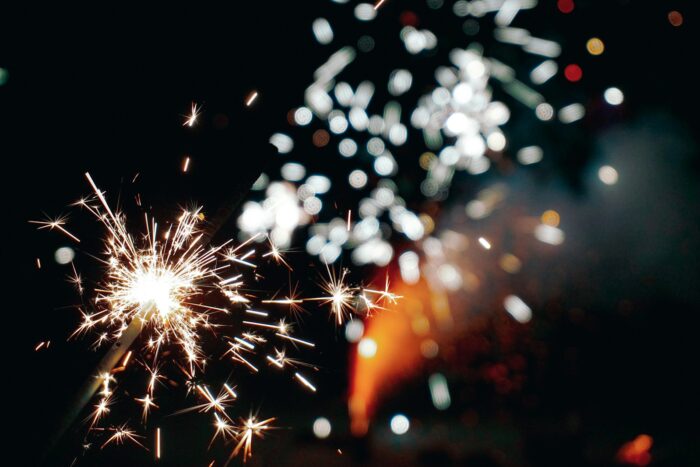
Fireworks to celebrate Sant Joan. Photo by Alexander Kagan.
Every year on the night of 23rd June, Catalonia bursts into life with the celebrations of la nit de Sant Joan – St John’s Eve – an event marking the arrival of summer. Fireworks light up the sky, the sound of petards (firecrackers) echoes through the streets, and people gather with friends and family for a night of music, food, and festivities.
In the Costa Brava region, beachside towns host lively celebrations, with locals and visitors joining in the fun. Traditional food, like coca de Sant Joan, is shared over glasses of cava, while DJs and live bands keep the party going well into the early hours. However, the night isn’t without its challenges—Spanish fireworks are extremely loud compared with those in the UK, unsettling pets and sometimes creating safety concerns in wooded areas.
This guide explores the history, traditions, and best places to celebrate la nit de Sant Joan in the Costa Brava, along with practical tips to help visitors make the most of this spectacular night.
The history of la nit de Sant Joan
The origins of la nit de Sant Joan stretch back long before the modern celebrations of fireworks and beach parties. The festival has its roots in ancient pagan traditions marking the summer solstice, the longest day of the year. Fire was a central element of these early rituals, symbolising purification, renewal, and protection.
As Christianity spread across Europe, the festival was absorbed into religious traditions and linked to Saint John the Baptist. According to Christian belief, Saint John was born on 24th June, and the night before became a time for celebration. Despite this religious connection, many of the original solstice customs—particularly the use of fire—remained part of the festivities.
In Catalonia, St John’s Eve has always been a deeply cultural event rather than strictly religious. While the bonfires that once defined the night are now rare, the festival still carries the same spirit of light, energy, and community.
Today, the night is a mix of old and new customs, blending ancient beliefs with modern celebrations. Fireworks have replaced bonfires, and the focus has shifted towards social gatherings, beach parties, and lively music, but the essence of St John’s Eve—welcoming summer with a night of light and festivity—remains unchanged.
Key traditions of St John’s Eve
While the way la nit de Sant Joan is celebrated has evolved over time, some traditions remain at the heart of the festival. The night is filled with fireworks, food, and music, creating an electric atmosphere in towns and cities across Catalonia.
Fireworks and petards
One of the most defining features of St John’s Eve is the constant sound of fireworks. Unlike the choreographed firework displays seen at other festivals, Sant Joan’s fireworks are mostly set off by individuals, ranging from small firecrackers to deafening petards. The noise is meant to ward off evil spirits, but for many visitors, the sheer volume can be overwhelming. Earplugs are a good idea, especially for children or those sensitive to loud sounds.
Spanish fireworks laws allow powerful firecrackers to be sold to the public, meaning that explosions start early in the evening and continue into the night. While official events may have firework displays over the sea, in many places the celebrations feel chaotic, with fireworks being set off in streets, plazas, and even from balconies.
In recent years, there has been growing friction between those who want limit the use of fireworks and those who insist on keeping the tradition alive—even in areas where fireworks are restricted or prohibited. Some argue that the noise is disruptive, dangerous, and distressing for pets, while others see it as an essential part of the festival that should not be watered down and continue to set off fireworks simply because “it’s always been done.
Sant Joan’s typical food
No celebration in Catalonia is complete without traditional food, and Sant Joan is no exception. The highlight of the night is coca de Sant Joan, a sweet, fluffy pastry topped with candied fruit, pine nuts, and sometimes custard or cream. It is typically enjoyed with a glass of cava, Catalonia’s famous sparkling wine. Families and friends gather to share a meal before heading out to enjoy the night’s festivities.
Music and dancing
As the night progresses, music fills the streets and beaches. In some towns, traditional Catalan sardanes (circle dances) are performed, but in most places, DJs and live bands take over, playing everything from Catalan rumba to modern electronic music. Beach parties, especially in the Costa Brava, attract crowds who dance until dawn, celebrating the arrival of summer.
Where to celebrate Sant Joan in the Costa Brava region
While Barcelona is famous for its massive Sant Joan beach parties, the Costa Brava offers a more varied and often less chaotic way to experience the festival. Whether you’re looking for a lively celebration or something more relaxed, there are plenty of great places to enjoy the night.
Cadaqués – A scenic celebration by the sea
The whitewashed fishing village of Cadaqués is one of the most picturesque places to celebrate Sant Joan. While it doesn’t have the massive crowds of Barcelona, it still offers a festive atmosphere, with fireworks, local music, and gatherings along the waterfront. Restaurants and bars stay open late, and the town’s bohemian charm makes for a more laid-back experience.
Palamós – A lively coastal party
For those looking for a bustling but manageable celebration, Palamós is a great option. The town’s beaches fill with groups of friends and families setting off fireworks, drinking cava, and celebrating well into the night. The seafront promenade becomes a lively hub, with street performers, food stalls, and music adding to the atmosphere.
Tossa de Mar – A family-friendly option
If you prefer a more relaxed, family-friendly setting, Tossa de Mar is an excellent choice. The town’s historic old quarter, with its medieval walls overlooking the sea, provides a stunning backdrop for the festivities. Fireworks are common, but the overall atmosphere is quieter and more controlled than in some other towns.
L’Escala – A mix of tradition and party vibes
L’Escala strikes a balance between traditional Catalan celebrations and modern beach parties. The town hosts live music, and its beaches become gathering spots for both locals and visitors. The celebrations here are less crowded than in larger towns but still offer plenty of excitement.
Smaller villages – A traditional alternative
For a more authentic and intimate Sant Joan experience, consider heading to one of the smaller villages inland. Places like Pals, Peratallada, or Begur may not have huge parties, but they often hold local festivities with community gatherings, fireworks, and traditional food. This is a great option for those who want to experience Sant Joan without the overwhelming crowds.
Practical travel tips for la nit de Sant Joan
St John’s Eve is an exciting but unpredictable night. Whether you’re celebrating in a busy coastal town or a quieter village, a little preparation will help you enjoy the festivities while staying safe and comfortable.
Accommodation in popular Costa Brava towns fills up quickly around Sant Joan, so booking well in advance is essential. If you want to stay near the beach parties, look for hotels or holiday rentals in places like Palamós, Tossa de Mar, or L’Escala. For a quieter night with easy access to celebrations, consider nearby villages or countryside hotels.
Illegal firework use
Fireworks are banned within 500 metres of forests due to the risk of wildfires, but many people ignore this rule because they’ve always set off fireworks in these areas. Authorities warn about the dangers every year, yet some reckless individuals still set off fireworks in risky areas. If you’re celebrating near wooded areas, do not light fireworks as they could start a fire.
What to expect the next day
After a long night of fireworks, music, and celebrations, the morning of 24th June has a very different atmosphere. Most people stay out late, so the next morning tends to be unusually quiet.
Shops, cafés, and restaurants may open later than usual, especially in smaller towns. If you need breakfast or coffee early, it’s best to check ahead or stock up on supplies the day before. 24th June is a public holiday in Catalonia, meaning that banks, offices, and some shops will be closed. Tourist-focused areas will still have plenty of open cafés and attractions, but expect a relaxed pace for the day.
If you spent the night at a beach party, don’t be surprised to find the shoreline littered with bottles, fireworks debris, and other rubbish. Some towns organise early-morning clean-ups, but in busier areas, it can take a while before the beaches return to normal.
A night of fire, tradition, and celebration
St John’s Eve in Catalonia is one of the most exciting nights of the year for many people, bringing together fireworks, music, and food to welcome the start of summer. In the Costa Brava region, you’ll find a mix of lively beach parties, traditional celebrations, and quieter local gatherings, making it a great place to experience the festival.
While the night is filled with energy and fun, it’s also important to be prepared for the noise, crowds, and chaotic fireworks. Understanding local customs, staying safe, and respecting the environment—especially the firework restrictions near forests—can help you make the most of this unique event.
Whether you choose to celebrate with a large crowd by the sea or in a smaller village with friends and family, la nit de Sant Joan is a night to remember. If you’ve experienced it before, share your stories in the comments—we’d love to hear how you celebrated!
Tags: Fireworks, Nit de Sant Joan, Sant Joan, St John's eve