Easter on the Costa Brava: A visitor’s guide to celebrations, food and culture in 2025
April 15, 2025Easter on the Costa Brava marks the return of warm days, lively celebrations, and the reopening of coastal restaurants and hotels.
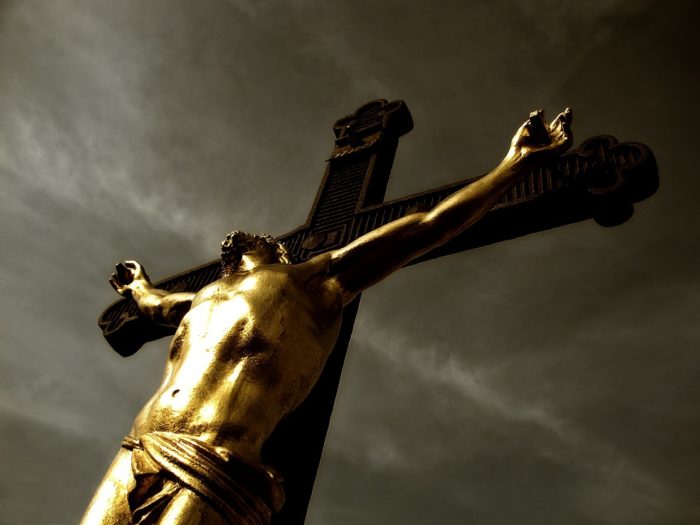
Jesus on the cross. Photo by Jingoba/Pixabay
After the quiet winter months, Easter marks the start of the new season. It’s when many restaurants and tourist services on the Costa Brava reopen, and local towns hold their first major events of the year. Traditional processions take place across the region, with some of the most well-known in Girona, Peralada, and Verges. Bakeries prepare seasonal treats like Mona de Pasqua and Brunyols de l’Empordà, while the warming weather makes it a great time for coastal walks, outdoor activities, or just basking in the soft sunshine with a glass of wine.
Whether you’re here for the cultural celebrations, the food, or a springtime break, Easter 2025 is an opportunity to experience the Costa Brava at an interesting time of year. This guide will cover where to go, what to eat, and how to make the most of your visit.
Easter traditions and celebrations
Easter, or Pasqua, is an important time in Catalonia, blending religious customs with long-standing cultural traditions. Across the Costa Brava, towns and villages hold solemn Processons de Setmana Santa, with participants carrying religious statues through the streets to the sound of drums. While many towns have their own processions, some are particularly well known for their scale and history.
Where to see the most impressive processions
- Girona – The Processó del Sant Enterrament (Holy Burial Procession) takes place on Good Friday, with members of religious brotherhoods dressed in traditional robes walking through the medieval streets.
- Peralada – A historic procession featuring Roman soldiers, known as Manaies, who march in formation through the town.
- Verges – Home to the famous Dansa de la Mort (Dance of Death), a medieval tradition unique to Catalonia.
The Dansa de la Mort: a unique Easter tradition
The Dansa de la Mort in Verges is one of the most striking Easter events in Catalonia. Dating back to the Middle Ages, this silent procession takes place on Maundy Thursday and features five skeleton-clad dancers moving to the beat of a drum. Their movements symbolise the passing of time and the inevitability of death, a reminder of medieval beliefs about mortality. It’s a rare tradition, preserved in only a few places in Europe, and attracts visitors from across the region.
While these events are rooted in religious history, they are also part of Catalonia’s cultural identity. Whether you are a spectator or taking part in local customs, the processions and traditions of Pasqua offer a fascinating insight into the Costa Brava’s heritage.
Easter gastronomy: what to eat and where to find it
Easter in Catalonia is not just about tradition—it’s also a time for seasonal food. Bakeries, markets, and restaurants across the Costa Brava prepare specialities that are only available at this time of year. From sweet pastries to seafood dishes, Easter is an opportunity to enjoy the region’s culinary heritage.
Mona de Pasqua: the Easter cake tradition
One of the most recognisable Easter foods in Catalonia is the Mona de Pasqua, a cake traditionally given by godparents to their godchildren on Easter Monday. Originally, the Mona was a simple round cake topped with hard-boiled eggs, but over time it has evolved into a more elaborate treat. Today, bakeries create versions decorated with chocolate eggs, colourful feathers, and even chocolate figurines of popular cartoon characters. Some modern variations include sponge cake layers, buttercream, and chocolate coatings.
Brunyols de l’Empordà: a Costa Brava speciality
A classic Easter sweet in the Empordà region, Brunyols de l’Empordà are deep-fried doughnuts coated in sugar. They have a slightly crisp exterior and a soft, airy inside, often flavoured with anise or lemon zest. Unlike typical doughnuts, Brunyols are irregularly shaped, giving them a rustic homemade look. They are best enjoyed fresh from local bakeries or market stalls, where they are sold in paper bags.
Where to find the best Easter food
- Local bakeries and patisseries – The best place to buy a traditional Mona de Pasqua or fresh Brunyols de l’Empordà.
- Markets – Town markets often sell freshly made Brunyols alongside seasonal produce.
- Restaurants – Many reopen for the season at Easter, offering special menus featuring seafood and other regional dishes.
Easter is a time of both tradition and indulgence on the Costa Brava, making it a great opportunity to try local flavours.
Easter activities beyond tradition
While the Processons de Setmana Santa and local food traditions are a major part of Easter, there’s more to this time of year on the Costa Brava. With spring in full swing, the landscape is at its best, making it a great time for outdoor activities, family-friendly events, and relaxing getaways.
Outdoor springtime experiences
Easter is an ideal time to explore the Costa Brava’s natural beauty before the summer crowds arrive. The weather is usually mild, perfect for:
- Coastal walks – Routes like the Camí de Ronda offer spectacular views of the Mediterranean, passing hidden coves and rugged cliffs.
- Cycling – Inland, the rolling countryside of the Empordà region is ideal for scenic bike rides, with routes connecting medieval villages and vineyards.
- Diving and snorkelling – Some dive centres reopen at Easter, offering early-season trips to sites like the Medes Islands.
Family-friendly Easter activities
For those visiting with children, Easter offers more than just religious events:
- Easter egg hunts and workshops – Some towns and cultural centres organise activities for children, including egg painting and chocolate-making workshops.
- Animal parks and nature reserves – Places like Aiguamolls de l’Empordà provide a chance to see migrating birds and other wildlife in a springtime setting.
Best places for a relaxing Easter break
For a quieter getaway, Easter is a great time to enjoy a short break before the busy summer months. Options include:
- Seaside retreats – Coastal towns like Calella de Palafrugell and Cadaqués offer a peaceful setting with open restaurants and scenic views.
- Spa hotels – Some of the Costa Brava’s rural hotels offer wellness experiences, ideal for a relaxing spring escape.
- Wine country – The Empordà wine region, known for its vineyards and historic cellars, is a good option for a slower-paced Easter break.
Whether you’re looking for cultural experiences, outdoor activities, or simply a place to unwind, Easter offers something for every type of visitor.
Practical tips for visiting during Easter 2025
Easter is one of the first major holiday periods of the year on the Costa Brava, and while it’s not as busy as summer, it does bring an increase in visitors. Here are a few things to keep in mind when planning your trip.
- The season begins – Many restaurants, hotels, and tourist services reopen after their winter break, particularly in coastal areas. Dive centres, boat tours, and other seasonal activities often resume around this time.
- Weather – Spring temperatures are generally mild, with sunny days and cooler evenings. It’s a good idea to bring layers, especially if you plan on being outside in the early morning or late evening.
- Opening hours – Some shops and attractions may close on Good Friday and Easter Monday, so it’s worth checking ahead if you have specific plans.
- Booking accommodation – While Easter isn’t peak season, popular hotels and rural stays can fill up, especially in well-known destinations like Cadaqués and Begur. If you have a particular place in mind, booking in advance is recommended.
With a bit of planning, visiting the Costa Brava at Easter is a great way to enjoy the start of spring while avoiding the peak summer crowds.
More than just a holiday: Why Easter on the Costa Brava is unforgettable
Easter on the Costa Brava is not just about processions and traditional food, but a time when the region shifts into a new season. Towns become livelier, coastal paths and beaches welcome their first visitors, and local restaurants reopen their doors after winter. Whether you come for the cultural traditions, the seasonal flavours, or simply to enjoy the fresh spring air, Easter offers a chance to experience the Costa Brava at a unique moment in the year. You can enjoy sunshine and warmth without the crowds or intense heat of summer. It’s a real escape, with just the right balance of relaxation and activity.
With a mix of history, gastronomy, and outdoor experiences, Easter 2025 is the perfect time to explore the region before the summer rush. Whether you choose to witness the Dansa de la Mort in Verges, try freshly made Brunyols de l’Empordà, or take a quiet walk along the Camí de Ronda, you’ll find an authentic and welcoming side of the Costa Brava that makes this time of year special.
Tags: Celebrations, Culture, Food, Traditions