The best dive spots on the Costa Brava and what makes them special
April 29, 2025Explore the underwater beauty of the Costa Brava with this guide to its top dive sites, featuring caves, wrecks, and vibrant marine life.
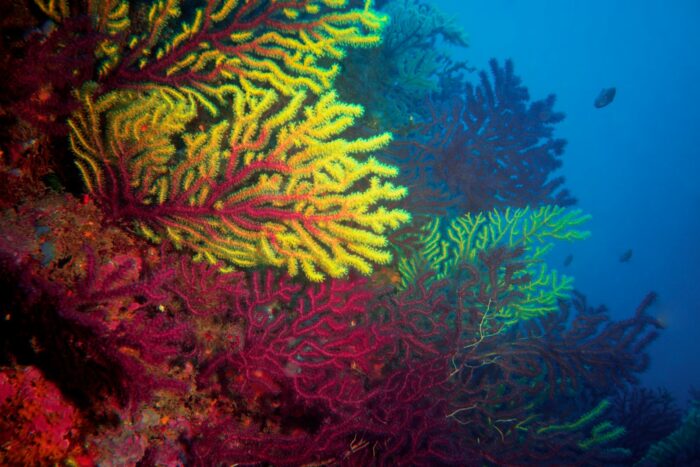
The Medes Islands provide some of the best diving in Spain. Photo by Juanma Clemente-Alloza
The Costa Brava is one of the best diving destinations in Spain, offering a mix of rocky reefs, underwater caves, and vibrant marine life. Stretching from Blanes to the French border, this coastline is home to protected marine reserves, shipwrecks, and deep walls covered in colourful coral.
Whether you’re a beginner looking for an easy shore dive or an experienced diver seeking caves and wrecks, the Costa Brava has something for everyone. In this guide, we’ll explore the best dive sites in the region and what makes each one special.
Why dive in the Costa Brava?
The Costa Brava’s underwater landscapes are as diverse as its rugged coastline. With excellent visibility, a rich variety of marine life, and sites suited to all experience levels, it’s a top choice for divers visiting Spain.
A unique underwater environment
The region’s dive sites range from shallow reefs to dramatic drop-offs, underwater caves, and even shipwrecks. The combination of rocky formations, sandy seabeds, and coral-covered walls makes every dive different.
Abundant marine life
Thanks to the influence of the Mediterranean currents and marine conservation efforts, the waters here are full of life. Divers can expect to see:
- Large groupers and moray eels hiding in rock crevices.
- Barracudas and shoals of bream patrolling open water.
- Octopuses camouflaging against the seabed.
- Occasional sightings of sunfish (mola mola) and eagle rays in deeper waters.
A destination for all levels
From beginner-friendly shore dives in Tossa de Mar to technical deep dives in Ullastres, the Costa Brava offers something for everyone. Many dive centres cater to both recreational and advanced divers, providing guided dives, PADI courses, and equipment rental.
When to go diving on the Costa Brava?
- Best season: May to October, when water temperatures range from 18°C to 25°C.
- Winter diving: Possible with a thick wetsuit, and fewer crowds mean quieter dive sites.
- Visibility: Usually between 15m and 30m, depending on the site and weather conditions.
The best dive spots on the Costa Brava
The Costa Brava has a wide variety of dive sites, from protected marine reserves to deep reefs and shipwrecks. Here are some of the best spots and what makes them special.
Medes Islands – Best for marine biodiversity
The Medes Islands are part of a protected marine reserve, making them one of the most spectacular dive locations in Spain. Fishing has been banned here for decades, allowing marine life to thrive.
- Why dive here? Exceptional biodiversity, with large groupers, barracudas, moray eels, octopuses, and even occasional sunfish.
- Key dive sites:
- La Vaca – A cave dive with a dramatic light-filled tunnel.
- El Dofí – Named after a dolphin statue inside, this site features swim-throughs and arches.
- Carall Bernat – A steep underwater wall covered in coral and sponges.
Cap de Creus – Best for dramatic underwater landscapes
This area, known for its rugged coastline and strong currents, offers some of the most visually striking dives in the region. The rocky seabed and underwater canyons create an impressive environment for experienced divers.
- Why dive here? Spectacular rock formations, caves, and drop-offs, plus strong currents that attract larger fish.
- Key dive sites:
- El Gat – A tunnel and canyon dive with large boulders and plenty of marine life.
- Punta de la Ferrera – A deep wall dive with colourful coral and excellent visibility.
Ullastres – Best for deep dives and coral fans
The Ullastres are three underwater pinnacles off the coast of Llafranc, known for their rich coral and steep drop-offs.
- Why dive here? Red and yellow gorgonian coral, conger eels, scorpionfish, and the occasional eagle ray.
- Depth range: 8m to 50m, making it ideal for advanced divers.
Formigues Islands – Best for varied terrain and wreck diving
The Formigues Islands offer a mix of rocky landscapes, caves, and shipwrecks, making them a favourite among divers looking for variety.
- Why dive here? Diverse underwater terrain with caves, tunnels, and the famous Boreas Wreck.
- Key dive sites:
- Boreas Wreck – A German tugboat sunk in 1989, resting at 40m depth.
- Rocky formations around the islands, ideal for spotting octopuses and scorpionfish.
Lloret de Mar & Tossa de Mar – Best for beginner-friendly dives
These locations offer accessible shore dives with mild currents and plenty of marine life, making them great for beginners.
- Why dive here? Easy access, shallow depths, and calm conditions.
- Key dive sites:
- Roca Muladera (Lloret de Mar) – A gentle dive with cuttlefish, small rays, and seagrass meadows.
- Mar Menuda (Tossa de Mar) – A sheltered cove with an easy entry point, perfect for first-time divers.
Practical tips for diving in the Costa Brava
Planning a dive trip to the Costa Brava is straightforward, but a few key tips will help you make the most of your experience.
Best time to go
- May to October is the ideal season, with warm water (18–25°C) and good visibility.
- September and October offer fewer crowds and excellent conditions.
- Winter diving is possible with a drysuit or thick wetsuit, but most dive centres operate on a reduced schedule.
Recommended dive centres
Most towns along the Costa Brava have dive centres offering guided dives, courses, and equipment rental. Some well-rated options include:
- La Sirena (L’Estartit) – Specialises in Medes Islands dives.
- Centre d’Immersió Roses (Roses) – Good for Cap de Creus trips.
- Poseidon Diving (Llafranc) – Offers deep dives at Ullastres.
- SuperDive (Tossa de Mar) – Great for beginner dives and training.
Equipment rental and guided dives
- If you don’t have your own gear, most dive centres provide full equipment rental.
- Guided dives are recommended, especially at sites with strong currents or complex topography.
- Some dive centres offer boat trips to multiple dive sites in one day.
Safety considerations
- Some deeper sites (like the Boreas Wreck and Ullastres) require Advanced Open Water certification.
- Be aware of currents at Cap de Creus—these dives are best suited for experienced divers.
- If planning multiple deep dives, make sure to follow safe decompression guidelines.
A diver’s guide to Costa Brava’s underwater wonders
The Costa Brava is one of Spain’s most rewarding diving destinations, offering everything from beginner-friendly reefs to advanced deep dives and wreck explorations. The Medes Islands stand out for their rich marine life, while Cap de Creus offers dramatic underwater landscapes. Sites like Ullastres and the Formigues Islands provide exciting deep dives and vibrant coral formations, while Tossa de Mar and Lloret de Mar are ideal for those just starting out.
Whether you’re planning a dedicated dive trip or adding a few dives to a holiday, the Costa Brava has plenty to offer. With well-equipped dive centres, clear waters, and a variety of dive sites, it’s a great place to explore the Mediterranean from below the surface.
If you’re ready to experience the best dive spots on the Costa Brava, check out local dive centres or book a guided dive trip in advance.
Tags: Diving, Medes Islands, Scuba, Scuba diving