Exploring the medieval villages of Alt Empordà
March 11, 2025Step into the past with a journey through Alt Empordà’s enchanting medieval villages.
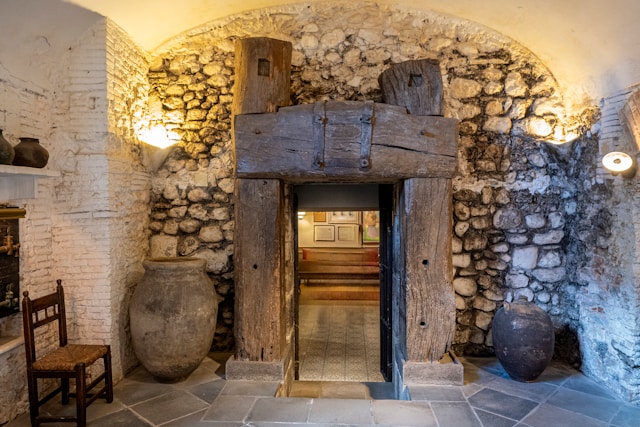
The cellars at Peralada castle. Photo by Manuel Torres Garcia
Alt Empordà, in the north of Catalonia, is a region where history comes alive in the form of beautifully preserved medieval villages. Nestled between the Pyrenees and the Mediterranean, this area is rich with cultural heritage, making it the perfect destination for history lovers and travellers seeking an authentic glimpse of the past. Wandering through these villages feels like stepping back in time, with their ancient walls, cobblestone streets, and historic landmarks offering a window into centuries of Catalan history.In this guide, we’ll explore some of the most picturesque medieval villages in Alt Empordà, including Peralada, Castelló d’Empúries, and Sant Martí d’Empúries. Along the way, we’ll provide tips on historical landmarks, scenic walking routes, and where to find the best local restaurants.
Peralada: history and wine culture
One of the jewels of Alt Empordà, Peralada is renowned for its medieval charm, wine-making traditions, and its magnificent castle. This village offers a unique combination of history, culture, and gastronomy, making it a must-visit on your journey through Alt Empordà.
Peralada’s most famous attraction is its 14th-century castle, Castell de Peralada, which has been beautifully preserved and is now home to several cultural institutions. Visitors can explore the Peralada Museum, housed within the castle, which features an impressive collection of books, medieval glass, and ceramics. The castle also boasts a library with over 80,000 volumes and a remarkable 14th-century Gothic cloister in the Convent del Carme.
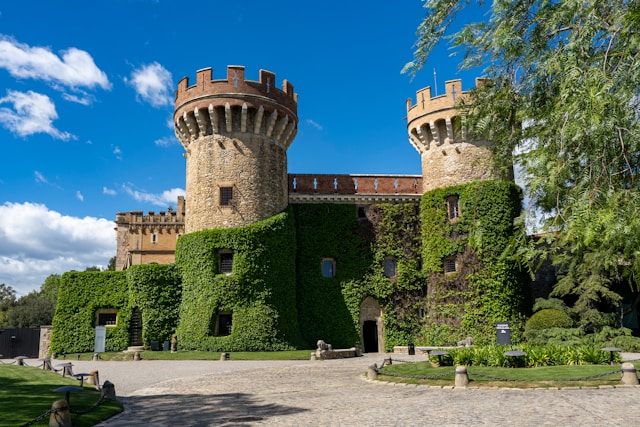
Peralada castle. Photo by Manuel Torres Garcia
Beyond the castle, Peralada is also famous for its wine. The Peralada Winery, located within the castle grounds, is one of the region’s oldest and most prestigious vineyards. Visitors can enjoy wine tours and tastings that delve into the history of winemaking in the region, with the opportunity to sample some of the area’s finest wines.Peralada is a village best explored on foot, allowing visitors to take in the beauty of its medieval streets. Begin your walk at Plaça Gran, the heart of the village, where you’ll find the Church of Sant Martí, a beautiful example of medieval architecture. From there, wander through narrow lanes lined with stone buildings, many of which date back centuries.
Don’t miss the charming gardens surrounding the castle, which are perfect for a peaceful stroll. The Carmelite Cloister and the nearby Peralada Casino, housed in a 19th-century palace, are other key stops along the route.
Where to eat
Peralada is a hub for food and wine enthusiasts, offering some excellent dining options:
- Castell Peralada Restaurant: Located within the castle grounds, this fine-dining restaurant serves up exquisite Catalan and Mediterranean cuisine, making it perfect for a special occasion. The dishes are carefully paired with local wines, adding to the gastronomic experience.
- Cal Sagrista: For a more relaxed dining experience, head to Cal Sagrista, a cosy restaurant offering traditional Catalan fare with a modern twist. The rustic setting and friendly atmosphere make it a favourite among locals.
Castelló d’Empúries: the mediaeval heart of Alt Empordà
Once the capital of Alt Empordà, Castelló d’Empúries is a treasure trove of medieval architecture and history. This village retains much of its medieval layout, with winding streets, ancient buildings, and historical landmarks that speak to its past as a political and economic centre of the region.
The most prominent feature of Castelló d’Empúries is the Basilica of Santa Maria, often called the “Cathedral of Empordà.” This Gothic masterpiece was originally built to be the seat of a bishop, and its grand architecture reflects its historical importance. Inside, visitors can admire beautiful stained glass windows, Gothic altars, and the ancient Romanesque crypt.
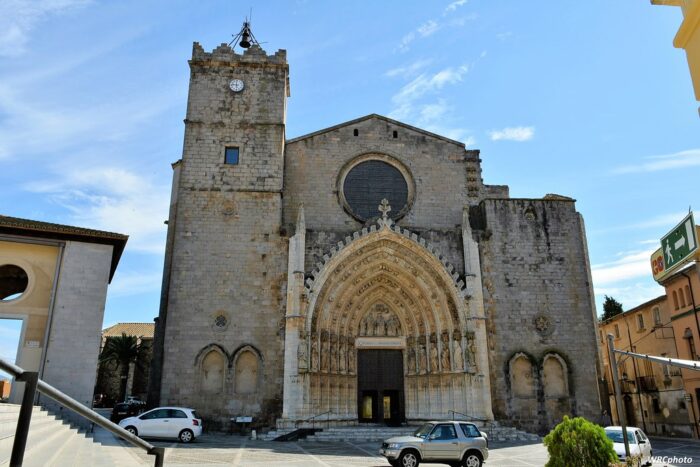
Santa Maria de Castello d’Empúries. Photo by Chapelle Willy is licensed under CC BY-ND 2.0
Another fascinating historical site is the Old Prison, which offers a glimpse into the town’s judicial history. Additionally, remnants of the medieval walls still surround parts of the town, providing a tangible connection to its past as a fortified city.
Begin your exploration at Plaça dels Homes, the town’s main square, which is surrounded by medieval buildings. From here, walk through the old streets, stopping at the Ecomuseum-Farinera, a museum housed in a former flour mill that tells the story of the town’s agricultural history. This makes for an insightful visit, offering a different perspective on the town’s past.
Stroll along the remnants of the medieval walls, then make your way to the Basilica of Santa Maria for a deeper look at the town’s Gothic architecture. The combination of historical landmarks and the charm of the narrow streets makes this walking route a journey through time.
Where to eat
Castelló d’Empúries offers plenty of dining options, many of which are located in historic buildings that enhance the medieval atmosphere:
- Restaurant Portal de la Gallarda: Set within the a medieval walls of Castelló d’Empúries, this restaurant serves traditional Catalan dishes with a focus on fresh, local ingredients. It’s a perfect spot for those who want to dine in a historic setting.
- El Racó de Castelló: Known for its Catalan specialties, including grilled meats and seafood, El Racó de Castelló offers an authentic culinary experience in the heart of the village.
Sant Martí d’Empúries: a seaside medieval gem
Sant Martí d’Empúries offers a unique combination of medieval charm and coastal beauty. Perched above the Mediterranean, this village is not only a haven of tranquillity but also a place of great historical importance. Its strategic location made it an essential site throughout history, and today, it remains one of the best-preserved medieval villages in Alt Empordà.
Sant Martí d’Empúries is a gateway to one of the most significant archaeological sites in Spain—the Ruins of Empúries. Just a short walk from the village, these ruins date back to the 6th century BC and were once a Greek and later a Roman settlement. Visitors can explore the remains of ancient temples, villas, and an amphitheatre, gaining insight into the lives of the settlers who once thrived in this coastal enclave.
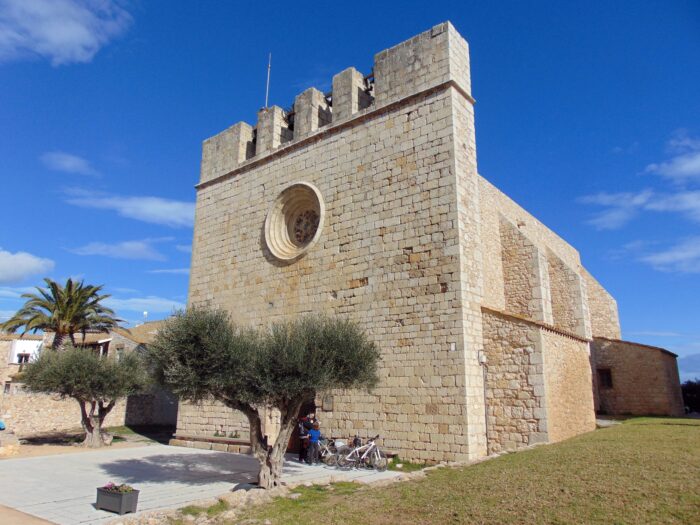
The church at Sant Martí d’Empúries. Photo by Josep Maria Viñolas Esteva is licensed under CC BY 2.0
Within the village itself, the Church of Sant Martí dominates the central square. This Romanesque church, small but stunning, was built in the 10th century and is a peaceful place to visit. The charm of Sant Martí d’Empúries lies not only in its historical landmarks but also in its quiet, atmospheric streets and ancient stone houses that transport visitors back to the medieval era.
The village of Sant Martí d’Empúries is perfect for a leisurely stroll. Begin by walking through the old village gate, a well-preserved medieval entrance that opens up to the narrow cobbled streets. The village is small, and within minutes you’ll find yourself in the central square, where the Church of Sant Martí stands. Take your time wandering around the quiet streets and enjoying the peaceful atmosphere.
For a longer walk, follow the coastal path from Sant Martí d’Empúries to the nearby town of L’Escala, a journey that offers breathtaking views of the Mediterranean Sea. This scenic path is perfect for combining history with a bit of seaside relaxation, as it winds past beaches, cliffs, and the Ruins of Empúries. The route is easy and accessible, making it a pleasant walk for visitors of all ages.
Where to eat
Sant Martí d’Empúries may be small, but it has some excellent dining options, many of which offer beautiful views of the sea:
- Mesón del Conde: Located in the heart of the village, this restaurant is known for its fresh seafood and traditional Mediterranean dishes. It’s a favourite for those looking to enjoy a meal in a historic setting with friendly service.
- Hostal Empúries: For a dining experience with a view, head to this eco-friendly seafront hotel and restaurant. Hostal Empúries focuses on sustainable, locally sourced cuisine, making it a great spot for those who appreciate a modern twist on traditional Catalan dishes. The view of the Mediterranean from the terrace only enhances the dining experience.
Exploring beyond: More medieval gems in Alt Empordà
While Peralada, Castelló d’Empúries, and Sant Martí d’Empúries are among the most well-known medieval villages in Alt Empordà, the region is filled with other hidden gems that are equally worth visiting. These smaller, less-crowded villages offer a more intimate glimpse into Catalonia’s medieval history and rural charm.
Palau-Saverdera
Nestled between the foothills of the Cap de Creus Natural Park and the Bay of Roses, Palau-Saverdera is a picturesque village with breath-taking views of both the mountains and the sea. The village has a quiet, peaceful atmosphere and is known for its well-preserved medieval architecture.
The Church of Sant Joan is the village’s main landmark, a Romanesque church dating back to the 12th century, featuring simple but beautiful stonework. From here, visitors can wander through the narrow streets lined with stone houses that have remained largely unchanged for centuries. Palau-Saverdera is also a great starting point for hikes into the surrounding hills, where trails lead to viewpoints with panoramic views of the Mediterranean.
Vilabertran
Another hidden gem is Vilabertran, a small village near Figueres known for the monastery of Santa Maria. This Romanesque monastery, surrounded by tranquil countryside, is a peaceful escape from the busier tourist spots in the region. The monastery dates back to the 11th century and is beautifully preserved, offering visitors the chance to explore its cloister, church, and tranquil gardens.
Vilabertran’s charm lies in its simplicity. The village itself is small and quiet, but its peaceful atmosphere and rich history make it an ideal spot for a relaxing day trip. After visiting the monastery, take a slow stroll through the village’s streets, where time seems to have stood still.
Step back in time in Alt Empordà’s medieval villages
Alt Empordà’s medieval villages are more than just picturesque destinations—they are living remnants of Catalonia’s rich history. From the grandeur of Peralada’s castle and wine culture to the seaside charm of Sant Martí d’Empúries, these villages offer a journey through time, where every stone street and ancient wall tells a story of the past. Each village has its own unique character, but all share a sense of history and a slower pace of life that makes them perfect for exploration.
Whether you’re wandering the historic streets of Castelló d’Empúries or enjoying a peaceful walk through Vilabertran’s countryside, Alt Empordà’s medieval gems offer visitors a chance to immerse themselves in a world where time seems to have slowed. With their stunning landscapes, historical landmarks, and delightful local restaurants, these villages are the perfect escape for history enthusiasts and travellers looking to experience the true essence of Catalonia.
Tags: Castelló d'Empúries, medieval villages, Peralada, Sant Martí d’Empuries