Costa Brava Walking Tours for Beginners: Easy Trails with Incredible Views
August 19, 2025Costa Brava walking tours don’t have to be tough — these easy routes offer sea views, shady paths and stress-free planning.
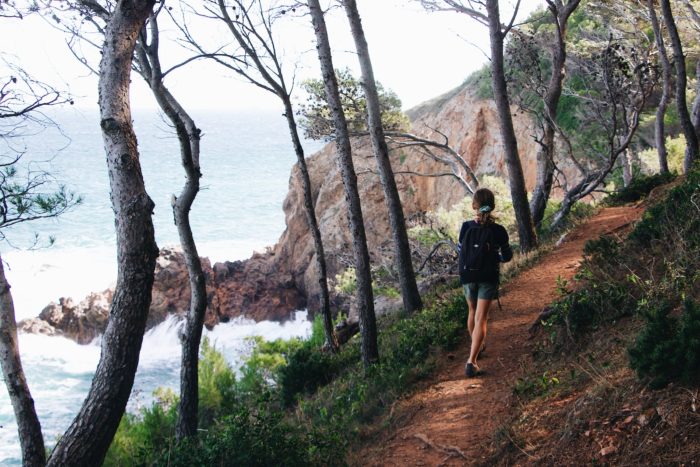
Short walks with big views on the Costa Brava. Walking tours suit any pace. Photo by Maël Balland.
The Costa Brava might be famous for its beaches and pretty fishing villages, but it’s also one of the easiest places in Spain to enjoy scenic walking routes without needing to be especially fit, experienced or well-equipped. Whether you’re visiting for a few days or planning a longer stay, the region offers gentle coastal paths, historical tracks, and clifftop trails — all with striking sea views and a strong chance of a cold drink at the end.
This guide focuses on Costa Brava walking tours that are suitable for beginners. If you’re someone who wants a walk, not a workout — or you just want to see the coastline on foot without a map and compass — this is for you. We’ve picked five tried-and-tested routes that are low-stress but high-reward, along with practical advice on what to wear, what to pack, and how to get the most out of your time outdoors.
Why the Costa Brava is ideal for beginner walkers
The Costa Brava is one of the easiest places in Europe to start walking, even if you’ve never done a trail before. Unlike mountainous regions that demand stamina and specialist gear, this part of north-east Spain is gentler on the legs — but just as rewarding on the eyes.
Coastal scenery without alpine exertion
Much of the Costa Brava’s walking takes place along the Camí de Ronda, a historic coastal path originally used by patrols – and smugglers. Today, it’s a mix of paved promenades, dirt trails and wooden walkways that wind through pine forest, hidden coves and rocky headlands. The scenery is dramatic without being remote, and you’re never too far from civilisation if you need a break.
Well-marked trails and GR routes
The region has a well-developed network of marked trails. In addition to local signs, many paths form part of Spain’s GR footpath network (Gran Recorrido), which uses red and white markers to guide you along long-distance routes. While you don’t need to walk the full length of any GR trail, the sections around Begur, Palamós and L’Escala are perfect for half-day or day-long rambles.
Good infrastructure: cafés, rest stops and public transport
Even in the quieter months, many Costa Brava towns have open cafés, restaurants and beach bars near the trails. There’s also a solid bus network along the coast, making it easy to plan one-way walks and return by public transport. This flexibility is ideal if you’re not keen on circular routes or want to finish somewhere with a long lunch and a sea view.
Mild Mediterranean climate most of the year
From March to June and September to November, the weather is usually dry and warm — but not too hot. These shoulder seasons are perfect for walking. Even in summer, early morning or late afternoon walks can be pleasant, especially with a swim at the end.
What makes a walking trail “easy”
Not all walking trails are created equal — and “easy” can mean different things depending on who you ask. For this guide, we’ve focused on routes that are manageable for anyone in average health, without special equipment or training.
Distance, elevation and terrain explained simply
A beginner-friendly trail on the Costa Brava is usually under 7km in length, takes less than three hours, and includes only modest changes in elevation. You won’t be scrambling over rocks or scaling ridgelines. Instead, expect mostly flat or gently rolling paths, some stone steps, and occasional uphill sections that are short and steady.
The terrain varies: a mix of well-maintained dirt paths, some cobblestone or tiled surfaces near towns, and compacted sand or gravel in wooded areas. Any tricky parts are usually short and easy to bypass.
Traits of beginner-friendly routes
The best easy trails share a few common features:
- Clearly marked paths, so you won’t get lost.
- Places to rest along the way — whether a bench, café, or shady spot.
- Access to public transport, especially if the walk is linear.
- Visual rewards early and often — dramatic sea views, ancient ruins, or hidden beaches that make the effort worthwhile.
Many Costa Brava routes offer options to cut the walk short or continue further, depending on how you feel, which is ideal for first-timers.
Self-guided vs guided: pros and cons for newcomers
Most of the walks in this article can be done self-guided with a basic map or GPS app. That gives you full control over the pace and schedule. However, if you’re travelling alone or want context — such as local history, plants or architecture — a guided walking tour may be worth considering.
Many tour operators in the area offer half-day guided walks tailored to beginners. These often include transport, a bilingual guide, and a relaxed group environment.
Five beginner-friendly Costa Brava walking tours with incredible views
These five routes have been chosen for their simplicity, scenic value and accessibility. Whether you want a quick stroll before lunch or a longer walk with swimming stops, these trails all offer a rewarding experience without too much effort.
Each one includes practical details to help you plan with confidence.
1. Calella de Palafrugell to Llafranc (Camí de Ronda segment)
Distance: 1.5 km (one way)
Time: 30–45 minutes
Terrain: Paved path with some stairs
Access: Buses run to Calella de Palafrugell from Palafrugell town
This is a perfect introduction to walking on the Costa Brava. The route hugs the rocky shoreline between two of the region’s most charming seaside villages. It’s short, scenic and easy to follow, with steps and handrails in steeper spots. Along the way, you’ll pass hidden coves, fishing boats and fragrant pine trees.
Highlights: Views of Cap Roig gardens, clear water at Platja del Canadell, and the whitewashed waterfront of Llafranc.
Pit stop: Grab coffee or seafood at the promenade in Llafranc, then either walk back or catch a taxi.
2. S’Agaró coastal path
Distance: 2 km (one way)
Time: 40 minutes
Terrain: Wide paved path
Access: Easy bus or drive from Sant Feliu or Platja d’Aro
This short, elegant stretch of the Camí de Ronda feels more like a seaside promenade than a hike. Originally developed in the 1920s as part of a luxury resort plan, the path between Platja de Sant Pol and Sa Conca beach is fully paved and accessible — ideal for families, older walkers or anyone wanting a flat route with style.
Highlights: Mediterranean villas, sea arches, shaded benches, and manicured gardens.
Pit stop: Sa Conca beach has space for a swim or picnic; Sant Pol offers several beachfront restaurants.
3. Blanes to Cala Sant Francesc
Distance: 4 km (round trip)
Time: 1.5–2 hours
Terrain: Mixed path and stair sections
Access: Train to Blanes, then short walk or taxi to the start
Often overlooked by guidebooks, this walk from the town of Blanes to the small, scenic Cala Sant Francesc is peaceful and green. The route passes through the Marimurtra Botanical Garden, which has panoramic views of the coast, then continues along a quiet path through pine forest to the cala — a small beach ideal for resting.
Highlights: Cliffside gardens, Blanes lighthouse, and one of the prettiest coves in the region.
Pit stop: Café at Marimurtra and seasonal chiringuito (beach bar) at Cala Sant Francesc.
4. L’Escala loop via Empúries ruins
Distance: 5.5 km (loop)
Time: 1.5–2 hours
Terrain: Flat and sandy paths
Access: Bus or drive to L’Escala
This route combines light walking with serious history. Starting in the old fishing town of L’Escala, you follow the shoreline to the Greco-Roman ruins of Empúries, one of the most important archaeological sites in Catalonia. After a stroll among crumbling walls and mosaics, loop back via forest paths and boardwalks.
Highlights: Archaeology, sea views, and wide beaches.
Pit stop: Stop at L’Esculapi Restaurant in Sant Martí d’Empúries or get an ice-cream in L’Escala on your return.
5. Cadaqués to Far de Cala Nans
Distance: 6 km (round trip)
Time: 2.5–3 hours
Terrain: Dirt trail with some rocky sections
Access: Bus or car to Cadaqués
This walk is slightly more challenging than the others but still manageable for beginners with decent footwear. Starting in the postcard-perfect town of Cadaqués, the trail winds around the rocky coastline of Cap de Creus to reach a remote lighthouse, Far de Cala Nans, perched above the sea. The views are worth the effort.
Highlights: Cadaqués bay, secluded coves, and a lighthouse panorama.
Pit stop: Bring water and snacks — there’s nothing en route. Reward yourself with dinner in Cadaqués when you return.
What to pack and how to stay comfortable on the trail
You don’t need specialist gear to enjoy Costa Brava walking tours, but a bit of preparation goes a long way. These tips will help keep your walk safe, comfortable and enjoyable.
Footwear, clothing and sun protection
Sturdy trainers or trail shoes with good grip are fine for most routes. Avoid sandals unless you’re sticking to paved paths like S’Agaró. Lightweight, breathable clothing is best — especially in spring and summer. A hat and sunglasses are essential, as many sections have little shade.
Always apply sunscreen before you set off, and carry a small bottle for top-ups. Even on cloudy days, coastal sun can be deceptively strong.
Hydration, snacks and optional swim gear
Bring more water than you think you’ll need — ideally at least 1 litre per person for short walks, and more in warmer months. Pack a few snacks: nuts, fruit, or something salty to keep energy levels steady.
On many walks, you’ll pass small coves or beaches. A lightweight towel and swimsuit can turn a rest stop into a swim break — just don’t forget dry clothes for the return leg.
Avoiding heat, handling minor issues and knowing your limits
Start early in summer to avoid the midday heat. If you begin to feel dizzy or overly tired, stop in the shade and drink water. Basic first-aid supplies like plasters, insect repellent and painkillers can be useful, though rarely needed.
Finally, don’t push it. If you’re feeling off, take a taxi back, cut the route short, or switch to a café with a sea view. There’s no prize for finishing — the walk is the reward.
Resources to plan your Costa Brava walking tours
Planning a walk on the Costa Brava is fairly straightforward, but a few tools and local services can make it even easier.
Maps, websites and guidebooks
The best all-round online resource is wikiloc.com, which includes user-uploaded GPS tracks for most local trails. Look for routes with recent reviews and photos. For printed guides, Cicerone’s Costa Brava guidebook offers reliable trail descriptions with maps.
Tourist offices in Palafrugell, Begur, and Cadaqués also provide free printed maps of walking routes — worth picking up when you arrive.
Local tour providers and apps
If you’d prefer to walk with a guide, several companies offer beginner-friendly day tours with cultural stops and small groups. These often include pick-up from Girona or local hotels.
Transport and GPX download options
The Costa Brava’s coastal bus routes (especially the Sarfa/Moventis line) make one-way walks easy. Check timetables before setting off, especially outside summer.
The Costa Brava – one step at a time
Costa Brava walking tours offer a simple way to slow down and see the coast from a different angle — especially if you’re a beginner. With well-marked trails, regular rest stops, and unforgettable views, there’s no need for hiking boots or mountain stamina to enjoy these routes.
From the pine-covered cliffs of Llafranc to the ancient stones of Empúries, each trail covered in this guide is short, scenic and satisfying. Pack some water, take your time, and don’t worry if you stop more for photos than footsteps. That’s part of the point.
If you’ve tried one of these walks — or discovered your own — feel free to share it. Or if you have questions about transport, accommodation or more challenging trails, just ask.
Tags: walking tours