Costa Brava in early March: what to see and do as spring begins
February 25, 2025Experience the charm of the Costa Brava in early spring, with festive traditions, blooming landscapes, and fresh local cuisine.

A distant view of the snow-capped Pyrenees in early March. Photo by David LeighEarly March marks a time of transition and quiet charm on the Costa Brava. As winter begins to loosen its grip, the region awakens with blossoming landscapes, mild Mediterranean weather, and a mix of lively traditions and peaceful attractions. Carnival festivities add a splash of colour and energy to this serene time, while the emerging flavours of spring make it an excellent moment to explore the region’s rich culinary heritage.
Whether you’re drawn to vibrant celebrations, tranquil nature trails, or fresh, seasonal dishes, Costa Brava in early March offers something unique for every visitor. Let’s take a closer look at what makes this time of year so special.
Carnival celebrations in Costa Brava towns
Carnival is one of the most spirited traditions on the Costa Brava, with colourful parades, dazzling costumes, and infectious energy. In 2025, Mardi Gras falls on Tuesday, 4th March, and most Carnival celebrations take place on the weekend leading up to Mardi Gras, though the exact dates and main events can vary between towns. Read more about Carnival here.
It’s worth noting that while Mardi Gras itself is always a Tuesday, Carnivals almost always centre on weekends. Visitors are advised to check the specific schedules for each town, as no two celebrations are exactly alike.

Photo by Izzy Park
Where to celebrate Carnival on the Costa Brava
- Roses: Known for its elaborate floats and lively atmosphere, Roses hosts one of the largest Carnivals in the region. The grand parade often takes place on Saturday evening, followed by a children’s parade on Sunday. Friday night may feature smaller events like costume contests or local music performances, setting the stage for a weekend of vibrant festivities.
- Platja d’Aro: Famous for its creativity, this Carnival spans the weekend with a packed schedule of events. Saturday night usually marks the highlight with the main parade, while Sunday offers a more relaxed atmosphere, ideal for families. Be sure to explore the town’s festive decorations, which add to the celebratory feel.
- Blanes: Offering a more intimate Carnival experience, Blanes focuses on community-driven parades and traditional music. The main parade typically occurs on Saturday or Sunday afternoon, giving visitors a chance to enjoy the festivities at a slower pace. Expect a warm, welcoming atmosphere with plenty of local flavour.
Tips for enjoying Carnival
- Check event dates: While most events occur on the weekend before Mardi Gras, start and end times vary by town. Look for online schedules or contact local tourism offices to confirm.
- Dress the part: Even a simple mask or accessory can help you feel part of the festivities.
- Savour street food: Carnival celebrations often feature stalls offering churros, hot drinks, and traditional Catalan snacks.
Carnival on the Costa Brava is a joyful blend of tradition and creativity. Whether you’re soaking up the grandeur of Roses or the cosy charm of Blanes, these festivities provide an unforgettable experience in early March.
Discovering Costa Brava’s spring landscapes
As March begins, the Costa Brava transforms into a serene haven of natural beauty. With the mild Mediterranean climate, blooming landscapes, and quieter trails, it’s an ideal time to explore the region’s diverse outdoor offerings. Early March is marked by blossoming almond and cherry trees, green hillsides, and the soft light that bathes the coast in a fresh, peaceful glow. The transition from winter creates a unique contrast between the calm of nature and the lingering crispness in the air.
Outdoor adventures for spring
- Coastal walks: The Camí de Ronda offers stunning views of the Mediterranean, weaving through charming villages and rugged cliffs. Early March’s tranquillity enhances the experience, with fewer tourists and a sense of serenity.
- Inland hikes: Trails in Cap de Creus Natural Park or the Montgrí Massif showcase the rugged beauty of the region. These areas come alive in spring, with wildflowers beginning to emerge and birdsong filling the air.
- Birdwatching: Head to Aiguamolls de l’Empordà, a nature reserve renowned for its migratory bird species. March offers excellent opportunities to spot storks, herons, and other wildlife as they settle into their spring habitats.
- Wild asparagus foraging: This seasonal activity is a local favourite. March is a great time to spot wild asparagus along trails or in open fields. Known for its earthy flavour, it’s a springtime delicacy often used in Catalan cuisine.
Tips for enjoying the outdoors
- Bring comfortable walking shoes for uneven terrain, especially on hiking trails.
- Pack a light jacket, as mornings and evenings can still be chilly.
- Respect nature by sticking to marked trails and avoiding over-harvesting wild plants like asparagus.
Whether you prefer a scenic coastal stroll or an invigorating hike through the hills, Costa Brava’s natural landscapes in March provide the perfect escape into nature.
Tasting the fresh flavours of early March
Costa Brava’s culinary landscape reflects the season’s transition, with early March offering a mix of hearty winter dishes and the first fresh flavours of spring. This is an excellent time to enjoy seasonal produce and regional specialities that showcase the area’s gastronomic heritage.
Wild asparagus: a springtime gem
Wild asparagus is one of the most sought-after ingredients of the season. Foraged from rural paths and forested areas, its tender stalks have a slightly nutty, earthy flavour that makes them a favourite in Catalan kitchens. Go out for a walk in the countryside and you’re likely to see people out looking for asparagus, often holding bundles of it freshly cut.
- How it’s used: A popular preparation is truita d’espàrrecs, a simple omelette showcasing the asparagus’s fresh taste.
- Where to try it: Local restaurants often feature wild asparagus in early spring dishes, or you might find it sold fresh at farmers’ markets for those who want to cook it themselves.
Seasonal dishes to savour
March cuisine in Costa Brava reflects the region’s love of local ingredients and traditional recipes. While the heavier stews of winter start to fade, dishes that balance comfort with freshness take centre stage.
- Mar i muntanya: A surf-and-turf combination of meat and seafood, showcasing the area’s connection to land and sea.
- Suquet de peix: A rich fish stew made with locally caught seafood, saffron, and potatoes, offering a taste of the coast.
- Calçots and romesco: Though calçotades peak in February, many restaurants continue to serve this iconic dish.
Recommended dining experiences
- Seaside restaurants: Coastal towns like Cadaqués and L’Escala are known for their fresh seafood and inviting terraces with sea views.
- Village eateries: Inland villages like Pals and Peratallada offer cosy spots where you can savour traditional Catalan fare.
- Farmers’ markets: Visit local markets for seasonal produce and artisanal products, perfect for picnics or self-catering stays.
Costa Brava’s food scene in early March bridges winter’s comfort and spring’s freshness, making it an exciting time to explore the region’s culinary delights.
Cultural treasures and early March events
Costa Brava’s rich cultural heritage shines in early March, offering visitors a chance to explore historic landmarks, artistic hubs, and vibrant local traditions. With fewer tourists during this time, you can enjoy a more relaxed pace while immersing yourself in the region’s history and artistry.
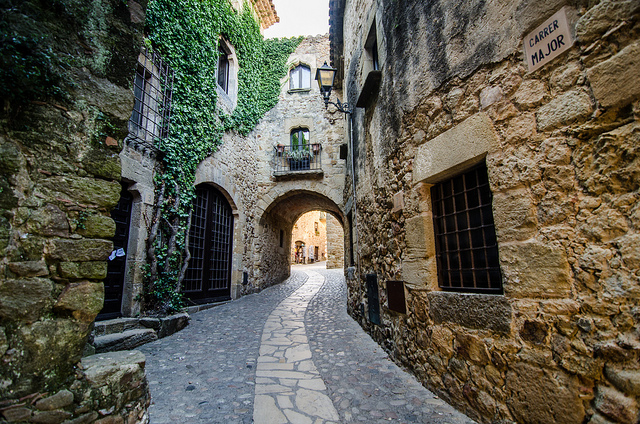
Medieval villages to explore
The Costa Brava is dotted with picturesque medieval villages, each offering a glimpse into the region’s past. Early March is an excellent time to wander their cobbled streets, free from the peak-season crowds.
- Pals: Known for its well-preserved stone houses, watchtower, and stunning views over the rice fields. A perfect spot for a leisurely walk and a stop at a local café.
- Peratallada: Often called one of the most beautiful villages in Catalonia, Peratallada boasts narrow streets, ivy-clad walls, and a medieval castle.
- Monells: This charming village’s peaceful square and historic architecture make it a favourite for film buffs and history lovers alike.
Museums and galleries
Costa Brava has long been a haven for artists, and early March is an ideal time to visit its renowned museums and cultural sites.
- Dalí Theatre-Museum (Figueres): Dive into the surreal world of Salvador Dalí at this iconic museum showcasing his art and eccentric personality.
- Castle of Peralada: Combining history and culture, the castle features a museum, library, and beautifully landscaped gardens.
- Local art galleries: Small galleries in towns like Cadaqués or Begur often host exhibitions highlighting local and contemporary artists.
Early March events and traditions
While March marks the end of Carnival, other smaller events and traditions may take place across the Costa Brava. Check local schedules for:
- Community festivals celebrating spring and seasonal food.
- Workshops on traditional crafts, cooking, or wine tasting.
- Religious observances leading up to Easter in historic churches.
Tips for cultural exploration
- Bring a camera: The golden light of early spring enhances the beauty of Costa Brava’s historic sites.
- Wear comfortable shoes: Many medieval villages have uneven cobblestones and steep paths.
- Check opening times: Some attractions may operate on reduced schedules during the off-season.
Whether you’re exploring a centuries-old village or marvelling at the surrealist works of Salvador Dalí, Costa Brava’s cultural offerings in early March provide a rich and rewarding experience.
Practical tips for an early March visit
Visiting Costa Brava in early March offers a unique mix of tranquillity, natural beauty, and vibrant traditions. To make the most of your trip, some thoughtful planning can ensure a smooth and enjoyable experience.
What to pack
- Layered clothing: Early March brings mild daytime temperatures but cooler mornings and evenings. A lightweight jacket or cardigan is ideal.
- Comfortable shoes: Whether you’re walking along cobblestone streets in medieval villages or hiking scenic trails, sturdy footwear is essential.
- Rain protection: While March is generally mild, occasional rain showers can occur. Pack a compact umbrella or waterproof layer.
Where to stay
- Boutique hotels: Many charming accommodations in towns like Begur, Cadaqués, or L’Escala offer off-season rates without compromising on comfort.
- Rural retreats: For a peaceful stay, consider countryside hotels or agriturismos surrounded by nature.
- Coastal options: Seaside hotels in places like Roses or Tossa de Mar often provide stunning views and proximity to early spring activities.
Getting around
- Renting a car: The best way to explore Costa Brava’s diverse landscapes and villages is by car. Early March roads are typically quiet, making driving a pleasant experience.
- Public transport: While buses and trains connect major towns, schedules can be limited in the off-season. Verify routes and timings ahead of time.
- Walking and cycling: Many areas, such as coastal paths or village centres, are best explored on foot or by bike for a more immersive experience.
Planning for seasonal events
- Carnival festivities: Confirm dates and locations of parades in advance to avoid missing the best celebrations.
- Dining reservations: Popular restaurants may still require bookings, especially for larger groups or during events.
- Attraction hours: Some museums or historic sites may operate on reduced hours in early March, so check before visiting.
Additional tips
- Cash and cards: While card payments are widely accepted, some smaller businesses in villages may prefer cash.
- Local markets: Visiting farmers’ markets not only supports local producers but also offers a chance to pick up unique souvenirs or snacks.
- Travel insurance: As with any trip, ensure you have coverage for unexpected changes or minor mishaps.
With these practical tips, you’ll be well-prepared to enjoy the Costa Brava’s blend of festive energy and early spring tranquillity.
Why visit Costa Brava in early March?
Costa Brava in early March offers a harmonious balance of lively celebrations, peaceful natural beauty, and rich cultural experiences. From the vibrant Carnival parades to serene coastal walks, this is a time when the region’s character shines in unique ways.
Whether you’re joining the festivities in Roses, tasting wild asparagus in a quaint village restaurant, or exploring the timeless streets of Pals, there’s something for everyone. The absence of peak-season crowds makes it all the more special, allowing for a more personal and immersive journey.
Plan your visit to enjoy Costa Brava’s warm hospitality, mild weather, and seasonal treasures as winter transitions into spring. It’s an ideal time to discover why this Mediterranean gem holds a special place in the hearts of its visitors.