Camping Costa Brava: 10 unforgettable sites from seaside to forest
September 9, 2025Discover the best camping Costa Brava has to offer in this guide – chosen for views, vibes, and value.
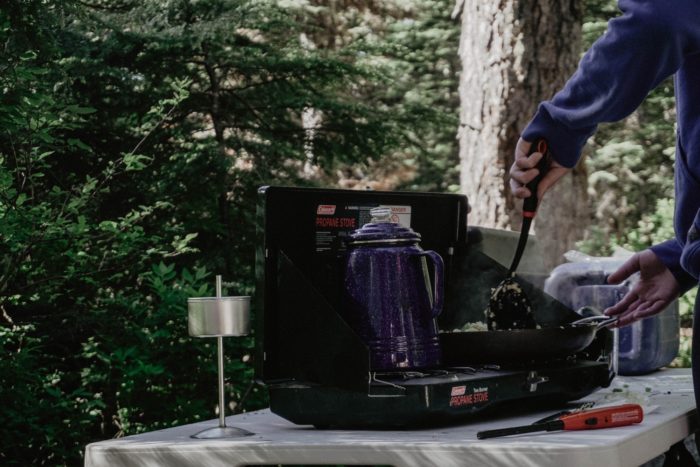
Cooking on a gas camping stove (Nathan Shipps/Unsplash)
Camping on the Costa Brava offers a refreshing antidote to overcrowded resorts and over-planned itineraries. Whether you’re pitching a tent under the pines or parking up your campervan beside a quiet cove, this rugged north-east corner of Catalonia is made for slower, more scenic travel.
Known for its cliff-fringed coastline, warm Mediterranean breezes and an impressive mix of beaches, forests and medieval hill towns, the Costa Brava remains one of Spain’s best regions for a camping holiday. It’s well-equipped, mostly family-friendly, and surprisingly varied — offering everything from eco-camping to full-service beach resorts.
This guide is here to help you plan a camping trip that suits your style. From choosing the right campsite and knowing what to pack, to avoiding peak-season chaos and discovering quiet spots just inland, here’s what you need to know before you go.
Why camping on the Costa Brava is so popular
The Costa Brava has been welcoming campers since the 1960s, but it still offers plenty of unspoilt spots and laid-back charm. Its enduring appeal lies in the variety of landscapes and the ease of access, all packed into a relatively compact area.
Beaches, forests and everything in between
From long sandy stretches like Platja de Pals to hidden rocky coves such as Cala Sa Boadella, the coastline is famously picturesque. But it’s not just about the sea — inland you’ll find rolling hills, olive groves, pine forests and quiet villages that make excellent day trips. Many campsites are set in natural surroundings where you can fall asleep to the sound of the waves or wake up to birdsong.
Long season, short distances
The Mediterranean climate allows for a generous camping season. While July and August are busiest, spring and autumn are often better choices — less crowded, cooler nights and more availability. And thanks to the region’s size, it’s easy to combine beach days with hikes or bike rides inland without needing to relocate every night.
Options for every traveller
Camping in the Costa Brava isn’t one-size-fits-all. Some campsites are almost mini-resorts with pools, restaurants and daily activities. Others are smaller, quieter places with basic facilities and a strong connection to nature. Whether you’re travelling with children, friends or solo, or looking to keep costs low or enjoy a few luxuries, there’s a set-up to suit.
How to choose the right campsite
There’s no shortage of options when it comes to camping on the Costa Brava — which is both a blessing and a bit of a challenge. To narrow things down, it helps to think about your travel style, who you’re with, and what kind of experience you’re after.
Understand your options
- Tent camping is still the most common, and most sites cater for everything from small two-person tents to large family setups.
- Campervans and motorhomes are well supported, with dedicated pitches, electricity hookups and waste disposal at many sites.
- Glamping is increasingly popular, with safari tents, wooden cabins and even air-conditioned pods on offer at some locations.
Wild camping is generally not allowed in Catalonia, especially in protected coastal areas and nature parks, though some people discreetly stay in campervans overnight in quiet spots. However, this comes with risks of fines and isn’t advisable unless you’re confident about the rules.
Things to consider
- Facilities: Do you need a pool, playground or laundry? Or are you happy with the basics?
- Location: Being on the beach is great, but it can be busy and loud in peak season. Inland or forested campsites tend to be quieter.
- Access: Will you be driving, or relying on public transport? Some rural sites are remote and not well-served by buses.
- Size and atmosphere: Larger sites often have more amenities but can feel busy. Smaller, family-run places may offer a calmer experience.
Booking tips
- July and August book up early, especially for seaside sites. Reserve well in advance or travel outside peak season.
- May–June and September–October are ideal for fewer crowds and lower prices.
- Trusted booking platforms include Camping.info, Eurocampings and direct websites of individual campsites.
- If you’re flexible, some smaller sites still accept walk-ins — just avoid weekends in high season.
Top 10: the best camping Costa Brava
There are dozens of quality options for camping Costa Brava, but these ten stand out for their location, atmosphere and range of facilities. Whether you want beach access, peace and quiet, or something kid-friendly, there’s likely something here that fits.
1. Càmping Cala Llevadó – Tossa de Mar
Set on a forested slope above the sea, this campsite offers direct access to several small coves and has some of the best views on the coast. There’s a mix of pitches for tents and campervans, plus glamping options.
- Best for: Beach access and sea views
- Highlights: Swimming coves, pine shade, snorkelling
2. Càmping Les Medes – L’Estartit
Just inland from the beach and a short walk from town, this well-run site is ideal for families and scuba fans. It’s close to the Medes Islands marine reserve, a hotspot for underwater exploration.
- Best for: Diving and marine nature
- Highlights: Indoor pool, diving school, eco-certification
3. Càmping La Ballena Alegre – Sant Pere Pescador
A large, modern site right on the beach, popular with windsurfers and families alike. The layout is efficient and the facilities are top-notch, including restaurants, sports areas and wellness spaces.
- Best for: Watersports and full-service comfort
- Highlights: Windsurfing, beachfront location, kids’ activities
4. Càmping Begur – Begur
This peaceful site is slightly inland but close to some of the best beaches on the coast. It’s shaded by trees, quieter than the big beach campsites and has a strong eco-focus.
- Best for: Tranquil forest setting with beach access nearby
- Highlights: Stylish glamping, shaded pitches, relaxed vibe
5. Càmping Mas Patoxas – Pals
A friendly, well-equipped site that’s particularly suited to families with younger children. It’s set inland, so it’s quieter and slightly more affordable, but close enough to the beach for day trips.
- Best for: Affordable family camping
- Highlights: Pool, playground, friendly atmosphere
6. Càmping Treumal – Platja d’Aro
Tucked between two small beaches, this site makes up for its steep slopes with spectacular views and direct sea access. It’s well-kept, with good facilities and shaded areas.
- Best for: Clifftop coastal camping
- Highlights: Seafront pitches, pine forest, proximity to shops
7. Càmping El Delfín Verde – Torroella de Montgrí
This is one of the largest campsites in the region, with all the resort-style amenities you could want. It’s practically its own village and ideal if you want everything on-site.
- Best for: All-inclusive convenience
- Highlights: Pools, restaurants, beach access, entertainment
8. Càmping Salatà – Roses
Located near the beach and within walking distance of Roses town centre, this site balances convenience with calm. A good choice for those without a car.
- Best for: Beach camping without a car
- Highlights: Urban access, clean facilities, bike-friendly
9. Càmping Vell Empordà – Garriguella
An inland gem near vineyards and quiet country lanes, this site offers a slower pace and a different take on Costa Brava camping. It’s perfect for cyclists and those looking to escape the crowds.
- Best for: Rural camping and wine tourism
- Highlights: Vineyard tours, peaceful atmosphere, nature
10. Càmping Sènia Cala Gogo – Calonge
Terraced into the hillside with its own private beach access via a small train, this site is built for sea lovers. It’s busy in summer but well-organised, with great sea views and plenty to do.
- Best for: Seaside camping with a bit of everything
- Highlights: Private beach, swimming pools, sea views
What to pack for camping on the Costa Brava
Packing for a camping trip on the Costa Brava depends a little on when you’re going, but a few things are non-negotiable. The mix of coast, forest and sun means you’ll want to cover comfort, safety and convenience without overloading your bags.
Camping basics
Even if you’re staying at a fully equipped site, there are essentials you’ll be glad you brought:
- Lightweight tent or campervan kit (check site facilities in advance)
- Sleeping bags and mats (nights can still get cool, even in summer)
- Cooking gear (if not using on-site restaurants): portable stove, utensils, washing-up kit
- Head torch or lantern
- Lightweight chairs or picnic rug
- Reusable water bottles and containers
Beach gear
You’ll be spending time by the sea — often down a track or rocky path — so come prepared:
- Swimwear (you’ll probably need more than one set)
- Beach towels or quick-dry microfibre towels
- Flip-flops or water shoes for rocky coves
- Sunhat, sunglasses and reef-safe sunscreen
- Small cooler or insulated bag for snacks
Clothing and footwear
Even in summer, weather can change quickly, especially inland:
- Breathable layers: T-shirts, lightweight jumpers, shorts
- Waterproof jacket or poncho
- Hiking shoes or trainers
- Sandals or slides for campsite use
- Something warmer for the evenings, especially in spring or autumn
Useful extras
- Insect repellent (especially in humid areas or after rain)
- First aid kit and blister plasters
- Laundry soap and a small washing line
- Books, games or downloadables for offline downtime
- European plug adaptor and power bank
What you can buy locally
Supermarkets in the region are well stocked with camping-friendly gear — from beach umbrellas to BBQ charcoal. Gas canisters, fresh food and basic kit are easy to find in most towns. Many campsites also have small shops, though prices are often higher.
Local tips and camping etiquette
Camping on the Costa Brava is easy-going, but there are a few unspoken (and spoken) rules that help keep things running smoothly — both for you and for those around you. Knowing the basics will help you avoid common mistakes and feel more at home.
Respect quiet hours
Most campsites on the Costa Brava have set quiet hours, usually from around 11pm to 7am. While some larger resorts allow low-level activity later in the evening, it’s best to avoid music, shouting or noisy setup during these times. Spanish campsites can be social places, but that doesn’t mean anything goes.
No fires, and check BBQ rules
Open fires are generally prohibited, especially in summer, due to the high risk of wildfires. Some campsites have designated BBQ areas or allow gas barbecues, but charcoal is often banned. Always ask at reception or check the signage before lighting anything.
Keep your pitch tidy
Spanish campsites are typically clean and well-maintained, and it’s expected that you’ll leave your pitch in the same state you found it. That includes sorting rubbish (recycling is taken seriously), avoiding trenching or digging, and keeping washing lines discreet.
Book and check in properly
Even if a site appears casual, most operate a formal booking system — especially in high season. Bring ID, and check in during opening hours. If you’re arriving late, call ahead. Campsites often close gates at night, and unannounced late arrivals can cause friction.
Be a good neighbour
Campsite culture is built on mutual respect. Don’t block paths or views, and be mindful of noise and space. If you’re travelling with children, many sites expect adults to supervise them in shared areas like pools or restaurants.
Understand local customs
It’s not unusual for reception or site shops to close in the afternoon for a few hours — especially in more rural spots. Dinner happens late, and breakfast service might not start until after 9am. Go with the flow and you’ll settle into the rhythm quickly.
Best times to go camping on the Costa Brava
Camping on the Costa Brava is possible for most of the year, thanks to its mild Mediterranean climate. But timing your trip well can make the difference between a peaceful seaside escape and a battle for a square metre of shade.
Summer: July and August
These are the peak months, especially for seaside campsites. Expect high temperatures (30°C+), busy beaches and packed sites. Many families travel during this period due to school holidays, and some campsites require a minimum stay of several nights.
- Pros: Guaranteed sun, full facilities open, buzzing atmosphere
- Cons: Higher prices, busy beaches, early booking essential
Shoulder seasons: May–June and September–October
Often considered the best time to go camping, Costa Brava offers warm weather during these months, fewer crowds and lower prices. Pools and beach bars are usually still open, especially in June and early September.
- Pros: Comfortable temperatures, good availability, quieter
- Cons: Shorter reception/shop hours at some sites
Spring and autumn
From March to early May, and late October into November, many campsites are still open — though some may limit services. These months are ideal for hiking, cycling and inland exploration, but weather can be more unpredictable.
- Pros: Tranquil atmosphere, great for active travel
- Cons: Cooler nights, some facilities may be closed
Winter camping
A few campsites stay open year-round, particularly those catering to campervans or long-stay visitors (often retirees from northern Europe). Expect basic services and a much quieter vibe — great if you’re looking for solitude or travelling in a self-contained vehicle.
- Pros: Peaceful and inexpensive
- Cons: Very limited campsite choice, cooler and wetter weather
Getting around: transport and access
Getting to and around the Costa Brava is straightforward, but how you travel will shape your camping experience. Whether you’re road-tripping in a campervan or relying on buses and bikes, it pays to plan your movements in advance.
Arriving in the region
- By car or campervan: The easiest and most flexible way to explore. The AP-7 motorway runs inland and connects the main towns. Coastal roads can be scenic but slow, especially in summer.
- By train: RENFE trains connect Barcelona and Girona to inland towns like Figueres and Flaçà. From there, you’ll need to continue by bus or taxi.
- By bus: Companies like Sarfa/Moventis run reliable services from Barcelona and Girona to towns along the coast, including Tossa de Mar, L’Estartit and Roses.
- By air: Girona-Costa Brava Airport is closest, with seasonal flights from across Europe. Barcelona-El Prat is the main international hub, around 90 minutes away by car.
On the move
- Campervans and cars: Ideal for visiting multiple campsites or day trips inland. Some beach towns have limited parking, so check access rules in advance — especially for larger vehicles.
- Bikes: Many campsites rent them out, and several parts of the region are bike-friendly with dedicated paths and quiet rural roads.
- Walking: Many campsites are close to the GR-92 coastal footpath, which links up a series of coves, beaches and towns.
- Public transport: Between larger towns, buses run fairly regularly. But services drop off in rural areas and outside high season, so always check schedules in advance.
Tips for campers on the road
- Use a sat-nav or offline map app — small roads can be hard to follow, and signal may drop in remote areas.
- Keep some cash and coins for campsite check-ins, toll roads or rural petrol stations.
- Plan for parking near beaches. In summer, spots fill quickly and are often controlled or paid zones.
Alternative ideas: eco-camping, rural retreats, wild-ish spots
If packed beach resorts aren’t your style, there’s still plenty of space for a more low-key version of the kind of camping Costa Brava is known for. A growing number of travellers are looking for slower, more sustainable experiences — and the region has started to respond.
Eco-campsites and low-impact stays
Some campsites focus on sustainability, offering solar-powered showers, compost toilets, and recycling initiatives. These places often have a quieter, community feel and attract like-minded travellers.
- Examples:
- Càmping Ecològic Lava (inland near La Garrotxa) – family-friendly and close to volcano hikes
- Càmping Rural Montori – small, quiet, and committed to green practices
- Expect: Limited pitches, fewer on-site luxuries, and a closer connection to nature
Inland retreats
Moving away from the coast opens up a different side of the Costa Brava — olive farms, small medieval villages and wide open spaces. These areas are often overlooked by tourists but are ideal for walking, cycling and relaxed day trips.
- Benefits: Cooler nights, fewer crowds, cheaper prices
- Drawbacks: Less public transport, need for a car
The wild camping question
Technically, wild camping is illegal in most of Catalonia, especially in protected coastal areas and nature reserves. That said, some campervans do park overnight in secluded areas — car parks near beaches, forest tracks or rural lay-bys — usually under the radar.
- Risks: You could be fined by local authorities, especially in busy areas or if you’re seen setting up tables, awnings or barbecues.
- Tip: Use apps like Park4Night to find tolerated overnight spots and avoid restricted zones.
Private land stays
Some rural landowners offer simple camping options via platforms like Campanyon or HomeCamper. These are often very basic — no power, no formal bathrooms — but offer a peaceful, legal alternative to wild camping.
Final advice for camping on the Costa Brava
For many travellers who enjoy camping, Costa Brava is a great option. Whether you’re chasing beach days with your kids, paddling into secret coves, or just enjoying a slow morning with coffee under the pines. It’s one of the few parts of Spain where you can still find unspoilt corners alongside full-service convenience.
If you’re visiting in summer, book early, be realistic about crowds and check the campsite’s rules before arrival. In spring or autumn, you’ll find more flexibility, better prices and a more relaxed rhythm. Whichever season you choose, be prepared for both sun and showers — and try to leave your plans a little loose. Some of the best days here come unplanned.
The most rewarding trips often involve a bit of both worlds: a few nights by the beach, a detour inland, and maybe a hidden campsite you hadn’t considered. However you approach camping, Costa Brava offers something that hotels and rentals can’t always match — a sense of freedom, a connection to nature, and the quiet satisfaction of cooking dinner as the light fades across the trees.