What’s the Best Beach in Costa Brava? 10 Stunning Spots Compared
July 29, 2025From hidden gems to family favourites, here’s how to choose the best beach in Costa Brava for your next trip.
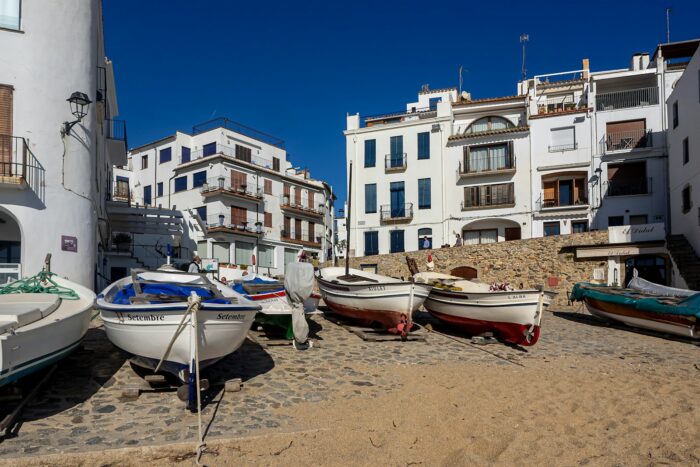
Photo by Manuel Torres Garcia
Costa Brava is known for its rugged coastline, charming seaside villages and an almost overwhelming number of beaches — from wide sandy stretches to secluded rocky coves. Stretching from Blanes in the south to the French border in the north-east, the region packs in hundreds of kilometres of coastline, each stretch offering something a little different.
With so many options, it’s no surprise that one of the most common questions travellers ask is: What’s the best beach in Costa Brava? But the truth is, there isn’t just one answer. The best beach for a family with kids isn’t the same as the best beach for a couple seeking quiet or someone after dramatic scenery and a bit of snorkelling.
This guide helps you compare ten of the most stunning beaches in Costa Brava side by side — highlighting what makes each one special, who it’s best for and what you should know before you go. Whether you’re hunting for soft sand, clear waters, solitude or the perfect lunch spot nearby, you’ll find a beach on this list to match.
Ready to find your perfect Costa Brava beach? Let’s start by looking at how we chose these ten standouts.
How we chose the 10 best beaches in Costa Brava
With dozens of beaches scattered along the Costa Brava’s jagged coastline, it’s easy to get overwhelmed. So how do you narrow it down to just ten? We looked at a mix of objective factors and subjective experiences to create a well-rounded list. These aren’t just the most famous beaches — they’re the ones that offer something distinct and worthwhile.
What makes a beach the “best”?
The perfect beach means different things to different people, but there are some common threads. We considered:
- Clean, swimmable water – Clarity, colour and overall safety
- Access – Can you get there easily by car or foot, or does it require a mini-expedition?
- Crowd levels – Some love a buzzy beach bar vibe, others prefer peace and quiet
- Natural beauty – Rock formations, pine-covered cliffs, turquoise waters
- Facilities – Toilets, showers, parking, beach bars, kayak rentals and nearby restaurants
- Authenticity – Does it feel like a local gem or a packaged resort stop?
We also factored in how each beach fits into a day or holiday: is there more to do nearby? Can you grab a great lunch after a swim? Can you easily combine it with a hike or village stroll?
Who this guide is for
This article is written with travellers like Emma in mind: smart, curious visitors who want a real feel for the Costa Brava and prefer useful, clear advice over vague hype. Whether you’re:
- Travelling as a family with young kids
- Looking for photo-friendly spots for a romantic break
- Interested in nature and low-key beaches
- Keen on snorkelling or active pursuits
- Wanting to avoid packed resort beaches
…you’ll find something here that fits.
North to south: a quick geographical overview
Costa Brava runs roughly 200 kilometres from the town of Blanes in the south to Portbou, just shy of the French border. The landscape shifts as you move north:
- The southern stretch (Blanes to Palamós) is more developed but has great sandy beaches and family-friendly infrastructure.
- The central zone (Palamós to L’Estartit) features beautiful, often quieter beaches tucked into pine forests and rugged cliffs.
- The north (Roses to Cadaqués and Cap de Creus) feels wilder, with fewer crowds, more pebbled coves and dramatic views.
Knowing where you are on the map helps make better choices, especially if you’re short on time or want to plan a beach-hopping route.
The 10 beaches compared
Costa Brava’s beaches range from wide family-friendly bays to near-hidden coves that feel like private discoveries. Each one on this list has earned its place for a different reason — some for convenience, others for their unspoilt beauty or distinctive atmosphere. Here’s what to expect at each.
1. Aiguablava, Begur
Aiguablava means “blue water” — and the name doesn’t disappoint. This beach is famous for its stunning turquoise shallows and soft golden sand, all framed by pine-covered cliffs. It’s easy to reach and well set up for a full day.
Best for: Families, casual swimmers, people who like to arrive and relax
Good to know: Get there early in high season — even mid-morning can mean circling for a space.
2. Sa Tuna, Begur
Tucked below a tiny whitewashed fishing village, Sa Tuna has a postcard-perfect look and a quiet atmosphere. It’s mostly pebble rather than sand, but the water is clear and calm, ideal for a lazy swim.
Best for: Couples, photography, quiet moments
Good to know: There’s a coastal walking path connecting Sa Tuna with other nearby coves if you want to make a day of it.
3. Cala Pola, Tossa de Mar
Cala Pola feels hidden without being impossible to reach. Set in a natural cove surrounded by forest, it’s a great spot for snorkelling and a quieter swim — even in summer.
Best for: Adventurous families, nature lovers, snorkellers
Good to know: There’s a small camping site nearby if you fancy a more outdoorsy base.
4. Platja de Castell, Palamós
This is one of the last untouched beaches on the Costa Brava, protected from development thanks to a successful local campaign in the 1990s. There are no hotels or apartment blocks — just pine trees, sand and sea.
Best for: Daytrippers, walkers, those seeking undeveloped beaches
Good to know: You can walk to the nearby Iberian ruins at Castell for a short historical detour.
5. Tamariu
Tamariu strikes a sweet balance: a lovely beach with soft sand and calm water, set in a small, low-key resort village. There are a handful of great seafood places right on the front and some good kayaking options too.
Best for: Families, food lovers, couples
Good to know: Try the grilled sardines at one of the waterfront restaurants — simple and excellent.
6. Cala Montjoi, Roses
Best known as the former site of Ferran Adrià’s El Bulli, Cala Montjoi is a peaceful, pebbled cove tucked into the Cap de Creus Natural Park. The drive down winds through remote hills, but the destination feels worth it.
Best for: Adventurers, quiet seekers, snorkellers
Good to know: Bring everything you need — there are no shops or cafés here.
7. Sant Pol, Sant Feliu de Guíxols
Sant Pol beach has a relaxed, retro feel thanks to its art deco-style beach huts and promenade. The beach itself is large and sandy, with calm, shallow waters perfect for kids.
Best for: Families, older visitors, those needing full facilities
Good to know: The elegant houses along the seafront make for a pleasant early evening stroll.
8. Cala Futadera, Tossa de Mar
Often described as one of Costa Brava’s best-kept secrets, Cala Futadera is stunning — but you’ll have to work for it. It’s a steep climb down (and up), which keeps crowds at bay.
Best for: Fit, adventurous travellers looking for isolation
Good to know: Wear proper shoes — the path down is rocky and uneven.
9. Lloret de Mar main beach
If you want energy, people-watching and a built-up beach with all the trimmings, Lloret’s main beach delivers. It’s the opposite of hidden, but it does have its place — especially for those who want an easy day out.
Best for: Groups, convenience seekers, nightlife fans
Good to know: Go early if you want a quieter vibe — it builds throughout the day.
10. Cala Estreta
Cala Estreta is one for the purists — remote, wild and a little effort to reach. It’s known for its clear waters, dramatic rocky surroundings and unofficial status as a nudist-friendly beach.
Best for: Hikers, naturists, photographers
Good to know: The walk in takes around 30–40 minutes through forest paths — wear sun protection and bring water.
Final thoughts: Which is the best beach in Costa Brava for you?
There’s no single “best beach in Costa Brava” — and that’s what makes it such a great destination. What counts as perfect depends entirely on what kind of day you’re after.
If you want easy access and a swim with lunch nearby, try Tamariu or Aiguablava. For raw natural beauty with zero buildings in sight, Cala Estreta or Platja de Castell are unbeatable. Cala Futadera is ideal if you don’t mind a climb and want to feel like you’ve found your own private cove. And for families, it’s hard to top Sant Pol, thanks to its shallow waters and full range of services.
The real answer? Don’t pick just one. Beach-hopping is part of the joy of Costa Brava. Spend a morning at a busy bay, then head to a hidden cove in the afternoon. Pack a towel, a picnic, and a bit of curiosity — and you’ll find your own favourite spot.