From crisp Cava to bold reds, Catalan wine offers a world of flavours shaped by its Mediterranean terroir.
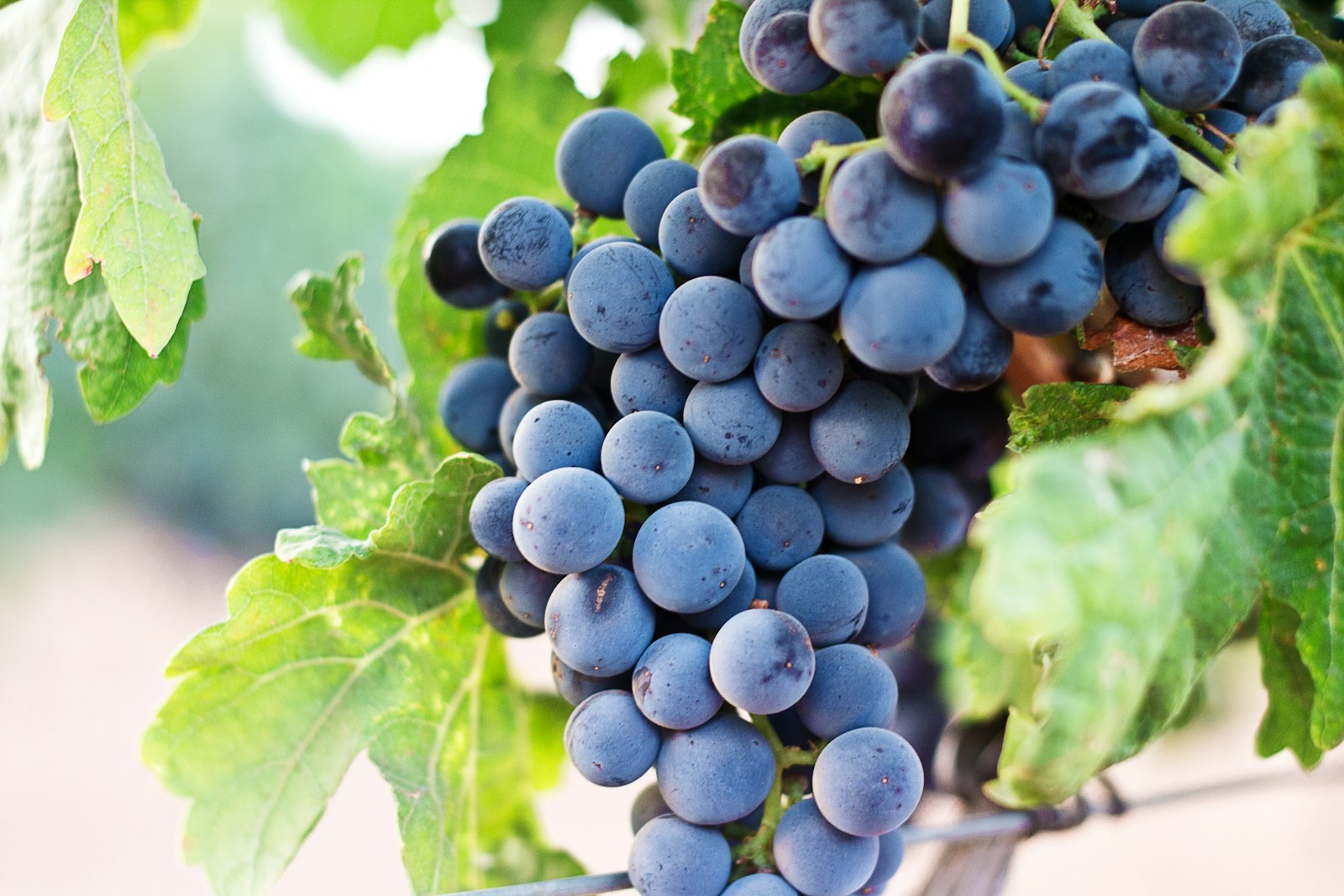
Black grapes on a vine. Photo by Nacho Domínguez Argenta
Catalonia is a region renowned not only for its culture and cuisine but also for its exceptional wine. While often overshadowed by better-known Spanish wine regions like Rioja and Ribera del Duero, Catalonia has a rich winemaking tradition that spans over 2,000 years. Its diverse landscape, ranging from coastal plains to rugged mountains, creates a variety of microclimates, allowing for the production of a wide array of wines—from vibrant whites and robust reds to the world-famous sparkling wine, Cava.
Catalan wine has begun to capture the attention of wine lovers worldwide, who are drawn to its unique varieties, innovative winemaking practices, and the region’s dedication to quality. In this article, we’ll explore what makes Catalan wine distinct, delve into its history, and recommend some of the region’s best wines.
The rich history of Catalan wine
Catalonia’s winemaking heritage stretches back over two millennia, rooted in the influence of ancient civilisations and shaped by the region’s resilient spirit. From the early Roman vineyards to its modern resurgence, Catalan wine has evolved through adversity and innovation, resulting in a vibrant wine culture that remains integral to the region today.
Origins and ancient roots
Catalonia’s winemaking history is deeply intertwined with the ancient civilisations that settled along its Mediterranean coast. The Phoenicians, and later the Greeks, first introduced grapevines to the region around 600 BC. However, it was the Romans who truly established viticulture in Catalonia, recognising its ideal climate and soil for growing grapes. They cultivated vineyards extensively, and wine quickly became a staple of Roman life in the region, both for daily consumption and trade.
As Roman influence spread throughout the Iberian Peninsula, so did Catalan wine, which was exported to other parts of the empire. This early tradition laid the foundation for the region’s lasting wine culture, with some modern-day vineyards still situated on ancient Roman land.
Evolution through the Middle Ages and modern winemaking
The Middle Ages saw a resurgence in winemaking, primarily driven by monasteries. Monks, especially from the Benedictine and Cistercian orders, maintained and expanded vineyards, preserving winemaking techniques that had been handed down for centuries. These religious communities contributed significantly to the development of Catalonia’s wine identity, experimenting with different grape varieties and improving production methods.
In the 19th century, Catalonia, like many other European wine regions, was devastated by phylloxera—a vine-destroying insect that wiped out vineyards across the continent. However, Catalonia’s recovery was swift. Winemakers began planting grafted vines resistant to phylloxera, and the region’s wine industry eventually rebounded.
The modern era has seen Catalonia embrace both tradition and innovation. While preserving its indigenous grape varieties and historic techniques, winemakers have also adopted new technologies and methods, resulting in wines that are internationally recognised for their quality and distinct character. Today, Catalan wines are celebrated for their unique combination of heritage, craftsmanship, and modern winemaking expertise.
The unique wine regions of Catalonia
Catalonia’s wine is as diverse as its landscape. The region is home to several distinct wine-producing areas, each defined by its own unique climate, soil, and grape varieties. From the mineral-rich soils of Priorat to the coastal breezes of Empordà, Catalonia’s wine regions offer an incredible range of styles and flavours that reflect the region’s varied geography.
DO (Denominación de Origen) system and its importance
All of Spain’s wine regions are governed by the Denominación de Origen (DO) classification system, a regulatory framework designed to guarantee the quality and authenticity of the wines produced in specific areas. Each DO sets standards for grape varieties, winemaking techniques, and labelling, ensuring that wines meet strict criteria before they can bear the region’s name.
This system not only helps maintain high standards but also protects the unique characteristics of each region. Currently, Catalonia is home to 12 DOs, with each region contributing something distinct to the Catalan wine landscape.
Key Catalan wine regions
Penedès: Known primarily for its production of Cava, Penedès is one of the most famous wine regions in Catalonia. It is located just outside Barcelona and features a variety of altitudes and microclimates, which allows for the production of a wide range of wines. In addition to sparkling wines, Penedès is known for its aromatic white wines made from local grapes like Xarel·lo and Parellada, as well as international varieties like Chardonnay.
Priorat: Nestled in the rugged hills of southern Catalonia, Priorat is renowned for its powerful red wines. The region’s signature wines are made from Garnacha (Grenache) and Cariñena (Carignan), two robust red grapes that thrive in Priorat’s poor, mineral-rich soils. These wines are often full-bodied, with intense flavours of dark fruit, earthy minerals, and a characteristic smokiness. Priorat’s unique slate soils, known locally as llicorella, contribute to the distinct terroir that has earned the region international acclaim.
Terra Alta: This region, found inland in southern Catalonia, is famous for its Garnacha Blanca (White Grenache), a white variety known for its creamy texture and ripe fruit flavours. Terra Alta’s wines tend to be rich and full-bodied, reflecting the hot, dry conditions of the region. The area is also gaining recognition for its red wines, which are robust and full-flavoured, similar to those of Priorat.
Empordà: Located along the Costa Brava, Empordà benefits from the Mediterranean’s cooling breezes, producing wines with freshness and elegance. The region is known for both reds and whites, with a particular emphasis on Garnacha and Macabeo. Empordà also has a growing reputation for its rosé wines, which are light and crisp with delicate fruit flavours—perfect for enjoying in the warm Catalan sun.
These wine regions, each with its own identity, contribute to the overall diversity and richness of Catalan wine. Whether you prefer light and aromatic whites or powerful, complex reds, Catalonia’s varied terroir offers something for every wine lover.
Catalan wine varieties
Catalonia is home to an impressive range of grape varieties, from indigenous grapes that define the region’s wine identity to international varieties that have found a unique expression in its diverse terroir. This diversity of grapes and styles allows Catalonia to produce everything from crisp white wines and bold reds to its world-famous sparkling Cava.
Indigenous grape varieties
Catalonia’s most celebrated wines are often made from grapes that have been cultivated in the region for centuries, giving them a distinct local character.
Garnacha (Grenache): One of the region’s most important red varieties, Garnacha thrives in the warmer climates of Catalonia, particularly in regions like Priorat and Terra Alta. It produces wines that are full-bodied with rich fruit flavours of blackberry and plum, along with spicy, peppery notes. Garnacha’s ability to withstand heat makes it a staple in Catalonia’s more arid regions.
Cariñena (Carignan): Known for its deep colour, high acidity, and firm tannins, Cariñena often complements Garnacha in Catalonia’s red blends, especially in Priorat. It brings structure and complexity to wines, with flavours of dark fruits, earthy undertones, and a characteristic minerality from the region’s slate soils.
Macabeo, Parellada, and Xarel·lo: These three indigenous white grape varieties form the backbone of Cava, Catalonia’s famous sparkling wine. Each variety brings something unique to the blend: Macabeo adds floral and fruity notes, Parellada contributes a lightness and elegance, while Xarel·lo provides structure and acidity. Together, they create a balanced and refreshing sparkling wine that has become synonymous with celebrations across Spain and beyond.
International varieties with a Catalan twist
While indigenous varieties remain central to Catalonia’s wine identity, international grape varieties have also been embraced by local winemakers, often producing wines that reflect the unique Catalan terroir.
Cabernet Sauvignon and Merlot: These classic Bordeaux varieties have found a home in regions like Penedès and Empordà, where they are often blended with local grapes. In Catalonia’s Mediterranean climate, Cabernet Sauvignon and Merlot take on ripe, fruit-forward flavours with smooth tannins, resulting in well-structured red wines that are perfect for ageing.
Chardonnay: As one of the most widely planted white grapes globally, Chardonnay has made its mark in Catalonia, particularly in the cooler, higher-altitude vineyards of Penedès. Here, it produces fresh, citrusy wines with subtle oak influences, depending on the winemaking style. Catalan Chardonnays often balance the grape’s richness with the region’s natural acidity, creating a vibrant and versatile wine.
Catalonia’s rich tapestry of grape varieties offers wine lovers an incredible range of styles to explore. Whether you’re drawn to the boldness of a Garnacha or the elegance of a Macabeo-based Cava, the region’s commitment to showcasing both local and international grapes makes for an exciting and diverse wine experience.
The rise of Cava: Catalonia’s sparkling wine
Catalonia is synonymous with Cava, a sparkling wine that has become one of Spain’s most celebrated exports. While it may draw comparisons to Champagne, Cava has its own distinct personality, deeply rooted in the region’s traditions and grape varieties. Over the years, it has evolved from a local favourite to an internationally recognised wine that captures the essence of Catalonia’s winemaking spirit.
How Cava came to be
Cava’s story begins in the mid-19th century, when Catalan winemakers began experimenting with sparkling wine production, inspired by the traditional methods used in France’s Champagne region. In 1872, Josep Raventós, from the famous Codorníu family, produced the first bottle of Cava in Penedès, using the same méthode champenoise (traditional method) that is still used today. For many years, Cava was known locally as Xampany (a Catalan adaptation of “Champagne”). It wasn’t until the 1970s, following legal regulations set by the EU, that the name Cava was adopted, as “Champagne” became a protected term reserved for wines from France’s Champagne region. The name Cava, meaning “cave” or “cellar” in Catalan, was chosen to reflect the traditional cellars where the wine is aged.
Unlike Champagne, however, Cava is made primarily from local grape varieties—Macabeo, Parellada, and Xarel·lo—which give the wine its unique Mediterranean character. Cava production is centred in the Penedès region, just outside Barcelona, but its popularity has spread far beyond Catalonia, with the sparkling wine now produced under strict regulations across Spain.
Production process and key characteristics
Cava is produced using the traditional method, which involves a second fermentation in the bottle to create bubbles. The process begins with a base wine, which is typically a blend of Macabeo, Parellada, and Xarel·lo grapes. This base wine is bottled with added sugar and yeast, and as the yeast ferments, it releases carbon dioxide, which creates the bubbles.
Cava comes in various styles, from Brut Nature (the driest, with no added sugar) to Dulce (the sweetest). The ageing process also affects the wine’s complexity and flavour. Basic Cavas are aged for a minimum of nine months, while Reserva and Gran Reserva Cavas are aged for 15 and 30 months, respectively. The longer the ageing process, the more complex the flavours, with older Cavas developing nutty, toasty notes that complement their fresh, fruity character.
Notable Cava producers
Catalonia is home to several renowned Cava producers, many of which have been crafting sparkling wines for generations. Some of the most notable names include:
Codorníu: One of the oldest and most prestigious Cava producers in Spain, with a history dating back to the 16th century.
Freixenet: A household name in the world of Cava, Freixenet is known for producing high-quality sparkling wines that are enjoyed worldwide.
Raventós i Blanc: A family-owned winery that played a pivotal role in the creation of Cava, known for its artisanal approach to winemaking.
Recaredo: Specialising in long-aged Cavas, Recaredo is a leader in biodynamic winemaking, producing exceptional sparkling wines with great depth and character.
Whether you’re celebrating a special occasion or simply enjoying a glass with tapas, Cava offers a taste of Catalonia’s rich winemaking tradition, delivering freshness, complexity, and versatility in every bottle.
Where to experience Catalan wine: Wineries and tours
For those exploring the Costa Brava, visiting local wineries in the Empordà region offers an authentic taste of the area’s rich winemaking tradition. Known for its Mediterranean climate, mineral-rich soils, and winemaking history dating back to ancient times, Empordà has become a must-visit destination for wine enthusiasts. While the Costa Brava is home to numerous exceptional wineries, other regions such as Penedès and Priorat offer excellent day trips for those looking to explore further afield.
Must-visit wineries in Empordà
The Empordà wine region stretches across the northern Costa Brava, offering stunning landscapes alongside some of the best wines in Catalonia. Here are a few of the top wineries to visit:
Celler Espelt: Located near the coastal town of Vilajuïga, Celler Espelt is one of the leading wineries in Empordà. Known for its fresh, fruity wines influenced by the nearby Mediterranean Sea, Espelt produces a variety of reds, whites, and rosés. The winery offers guided tours that delve into their sustainable practices and unique winemaking techniques, as well as tastings that highlight the region’s distinctive terroir.
Perelada: One of the most historic and prestigious wineries in Empordà, Perelada is famous for its wines as well as its beautiful location in the town of Peralada. The estate produces a wide range of reds, whites, and Cava, with tours that include tastings and visits to the stunning Perelada Castle Museum. A visit here combines history, culture, and world-class wines.
Mas Oller: Set in the rolling hills of Baix Empordà, Mas Oller is a boutique winery that emphasises small-batch, high-quality wine production. Known for its fresh, aromatic whites and full-bodied reds, Mas Oller provides intimate tours of its vineyards and cellars. Visitors can enjoy tastings of the estate’s excellent wines, while also learning about the history of this charming property.
La Vinyeta: A family-owned winery located near Mollet de Peralada, La Vinyeta is a hidden gem in Empordà. Known for its organic and sustainable winemaking practices, La Vinyeta produces a variety of wines that capture the essence of the region. Their tours offer a deeper look into vineyard life, with options such as wine and olive oil tastings, picnics, and vineyard walks.
Day trip options: Penedès and Priorat
While the Costa Brava’s Empordà region offers plenty to explore, wine enthusiasts may also want to take a day trip to other renowned wine regions such as Penedès and Priorat.
Located just outside Barcelona, Bodegas Torres is one of Spain’s most famous wineries, producing a variety of wines including internationally recognised reds and whites. The estate offers guided tours that take you through the winemaking process, followed by tastings of their award-winning wines. It’s a great day trip option from the Costa Brava.
For those seeking bold, full-bodied wines, a trip to Clos Mogador in Priorat is essential. Known for its intense red wines and stunning landscape, Clos Mogador offers an immersive wine experience. Visitors can explore the steep, terraced vineyards, learn about the unique terroir, and enjoy tastings of some of Priorat’s most iconic wines.
Recommended Catalan wines
Here’s a list of 10 recommended wines from Catalonia, with a focus on those from the Empordà region of the Costa Brava, and a few notable selections from other Catalan regions for variety:
Old Vines Garnatxa
A fantastic red wine that showcases the essence of Empordà’s Garnatxa (Grenache). Made from old vines, this wine has a deep, rich flavour profile with notes of ripe red fruit, subtle spices, and a smooth, velvety finish. It is produced by Espelt winery, known for balancing tradition with innovation.
Finca Malaveïna
A powerful and elegant red blend from the Perelada winery, this wine is made from Merlot, Cabernet Sauvignon, Cabernet Franc, and Garnatxa Negre. It showcases intense aromas of ripe black fruits, with underlying balsamic notes, spices, and a touch of oak from ageing in new French oak barrels for 22 months. This full-bodied wine is a standout example of the rich, complex wines produced in the Empordà region
Heus Rosé
A fresh and lively rosé, Heus is perfect for warm Costa Brava afternoons. Made from Garnatxa and Carignan (known locally as Samsó), it’s a crisp, fruit-forward wine with aromas of strawberries and red cherries. La Vinyeta winery is well-known for its sustainable practices, making this an ethical choice as well.
Mas Oller Mar
A crisp and aromatic white blend from the Mas Oller estate in the Empordà region, Mas Oller Mar is made from Picapoll and Malvasia. This vibrant wine is known for its fresh citrus and floral notes, complemented by a slight minerality from the region’s coastal influence.
Gerisena Blanc
This white wine from Celler Gerisena, produced with the local variety Garnatxa Blanca, is known for its balanced acidity and notes of white fruit, herbs, and a subtle minerality. It’s a great example of the high-quality whites emerging from Empordà’s wine scene.
Perelada Brut Nature Cava
A fine sparkling Cava from Perelada, this Brut Nature is made from the traditional blend of Macabeo, Xarel·lo, and Parellada. Crisp, dry, and elegant, it offers fresh citrus and apple notes with a long, clean finish. Perfect for celebrations or a refreshing apéritif.
Clos d’Agon
A bold red blend produced near Calonge, Clos d’Agon combines Cabernet Sauvignon, Syrah, and Merlot. Aged in oak barrels, it offers a rich complexity with notes of black fruits, spices, and a hint of vanilla. Clos d’Agon is known for its modern winemaking techniques, making it a standout in the Empordà region.
Raventós i Blancd e Nit
This rosé Cava from Penedès blends Macabeo, Xarel·lo, Parellada, and a touch of Monastrell for colour, resulting in a vibrant wine with delicate bubbles and flavours of red berries and citrus.
Albet i Noya El Fanio
This organic white wine from Penedès is made from the indigenous Xarel·lo grape. With floral and citrus aromas, along with a touch of salinity from the nearby Mediterranean, this wine is a perfect reflection of the Penedès region’s focus on sustainability and tradition.
Clos Mogador Reserva
A world-renowned red from the Priorat region, Clos Mogador is a bold and intense blend of Garnatxa, Carignan, and Syrah. With rich dark fruit flavours, minerality, and powerful tannins, it’s a classic example of Priorat’s reputation for producing robust and complex red wines.
A toast to Catalan wine
Catalan wine offers a captivating journey through centuries of history, diverse landscapes, and a remarkable range of flavours. From the mineral-rich reds of Priorat to the crisp, sparkling Cavas of Penedès, each bottle tells a story of the region’s unique terroir and winemaking traditions. Whether you’re exploring Catalonia in person or enjoying its wines from afar, the region’s dedication to quality and craftsmanship is unmistakable.
For those keen on discovering something new, Catalonia’s indigenous grape varieties and innovative winemaking techniques provide endless opportunities to expand your palate. Whether it’s pairing a glass of Garnacha with a traditional Catalan dish or savouring the refreshing bubbles of Cava during a special celebration, Catalan wines bring a touch of Mediterranean charm to any occasion.
With its growing presence on the international stage and increased accessibility, now is the perfect time to explore the world of Catalan wine, wherever you may be.
Catalan wine available from Amazon UK
Perelada | Priorat | Penedés | Cava