Explore the flavours of Catalan sausage and beans, an iconic combination that reflects the heart of Catalan cuisine.
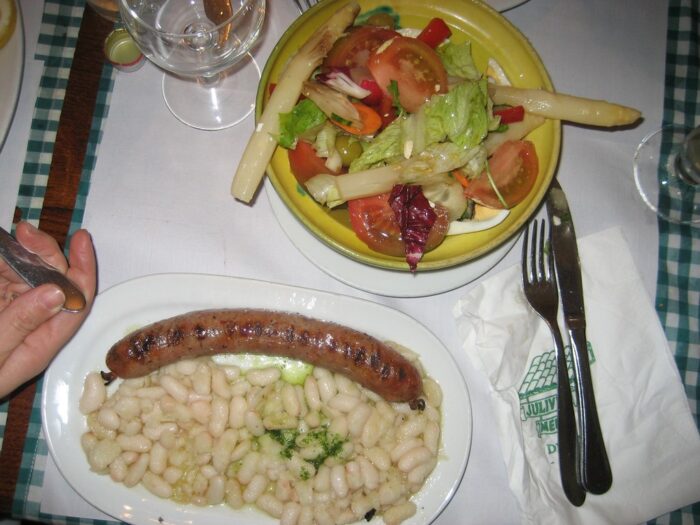
Catalan sausage and beans, or botifarra amb mongetes, is a classic dish that embodies the essence of Catalan home cooking. Combining simple, high-quality ingredients, it reflects the region’s emphasis on tradition, flavour, and a strong connection to the land. This rustic meal, featuring botifarra—a type of Catalan sausage—paired with tender white beans, is both satisfying and easy to prepare.
In this article, we’ll explore the history behind this beloved dish, break down its key ingredients, and offer a step-by-step guide so you can enjoy an authentic taste of Catalonia in your own kitchen.
The history behind Catalan sausage and beans
The combination of botifarra and beans, known as botifarra amb mongetes, is deeply rooted in Catalonia’s culinary history. Originally a humble meal enjoyed by farmers and working-class families, this dish has grown to be a symbol of Catalan identity. The botifarra sausage dates back to Roman times and has since evolved into various regional varieties, becoming a staple of Catalan gastronomy.
White beans, or mongetes, were traditionally grown in the north-east of Spain, where they thrived in the region’s climate. They were paired with botifarra for their nutritional value, providing a hearty meal after long days of work. The simplicity of this dish reflects the agrarian lifestyle of the region, where fresh, local ingredients were always prized.
As Catalonia modernised, botifarra amb mongetes remained a popular dish, enjoyed both in homes and in restaurants. Today, it stands as a favourite not only for its historical significance but also for its straightforward, comforting flavours that have endured for generations.
Understanding the key ingredients
The beauty of botifarra amb mongetes lies in its simplicity, with each ingredient playing a crucial role in the dish’s overall flavour and texture. Let’s break down the essential components.
Botifarra: the heart of the dish
Botifarra is a traditional Catalan sausage, known for its rich, meaty taste and simple seasoning. Typically made from pork, salt, and pepper, it can vary in size and flavour depending on the region.
For those outside of Catalonia, sourcing botifarra may be challenging, but high-quality pork sausages can serve as a substitute. However, for a truly authentic experience, look for botifarra at specialty shops or online stores offering Spanish products.
Mongetes: the perfect pairing
The other star of the dish is the white beans, or mongetes. Traditionally, mongetes del ganxet are used, a variety of white bean with a soft, creamy texture. Their ability to absorb the rich flavours of the sausage and other ingredients makes them the ideal companion in this dish.
While mongetes del ganxet are preferred, other types of white beans like cannellini or haricot beans can also be used if the traditional variety is hard to find.
Olive oil, garlic, and herbs
A drizzle of high-quality olive oil, freshly minced garlic, and simple herbs such as thyme or parsley bring the dish together. These ingredients elevate the flavours of the sausage and beans while maintaining the rustic appeal of the recipe. Catalan cooking relies heavily on local olive oil, which adds richness without overpowering the dish.
Step-by-step guide to making Catalan sausage and beans
Cooking botifarra amb mongetes at home is straightforward and doesn’t require many ingredients. Here’s a detailed guide to help you create this authentic Catalan dish.
Ingredients
- 4 botifarra sausages (any good-quality pork sausage can work if botifarras are unavailable)
- 400g cooked white beans (mongetes del ganxet or cannellini beans)
- 2 cloves garlic, minced
- 4 tablespoons olive oil
- Fresh parsley, chopped (for garnish)
- Salt and pepper to taste
Instructions
1. Cook the botifarra
- Heat a large pan over medium heat with 2 tablespoons of olive oil.
- Add the botifarra sausages and cook until browned on the outside and fully cooked through, about 8-10 minutes. Turn them occasionally for even cooking.
- Once done, remove the sausages from the pan and set them aside, but keep the pan with the remaining fat for the next step.
2. Prepare the beans
- In the same pan, add another 2 tablespoons of olive oil and the minced garlic.
- Sauté the garlic for 1-2 minutes until fragrant, making sure not to burn it.
- Add the cooked beans to the pan and stir well to coat them in the garlic and oil. Cook for 5-7 minutes, allowing the beans to warm through and absorb the flavours from the pan.
3. Season and combine
- Season the beans with salt and pepper to taste.
- Add the cooked botifarra back to the pan with the beans and allow them to heat together for an additional minute or two.
4. Serve
- Transfer the botifarra amb mongetes to a serving dish and garnish with freshly chopped parsley.
- Drizzle with a bit more olive oil if desired, and serve warm.
Optional variations
- For extra flavour, some variations include adding a splash of white wine to deglaze the pan before adding the beans.
- If you prefer a bit of spice, a pinch of red pepper flakes can be added when sautéing the garlic.
This dish pairs beautifully with fresh Catalan tomato bread (pa amb tomàquet) or a simple green salad, creating a wholesome, balanced meal.
Regional variations and modern twists
While botifarra amb mongetes remains a classic dish in Catalonia, it has inspired several regional variations and modern adaptations that offer new takes on this traditional meal.
Regional variations
In different parts of Catalonia, the dish may be prepared with slight adjustments based on local preferences and available ingredients:
- With allioli: In some areas, a generous spoonful of allioli (a garlic and oil-based sauce) is added on top of the beans for extra richness and a garlicky kick.
- Botifarra negra: In certain regions, the dish is made with botifarra negra (black pudding sausage), which brings a deeper, earthy flavour to the meal.
- Roasted peppers: Some variations include roasted red peppers mixed in with the beans, adding a touch of sweetness and colour to the dish.
- With grilled vegetables: In some rural areas, botifarra is served alongside grilled vegetables like aubergines, courgettes, or onions, making the meal more substantial.
Modern twists
Contemporary chefs and home cooks have also reimagined botifarra amb mongetes in creative ways while maintaining its core elements:
- Gourmet sausages: Instead of traditional botifarra, some chefs experiment with different types of artisanal sausages such as spicy chorizo or even game meat sausages for a unique flavour.
- Vegetarian versions: For those seeking plant-based options, meatless sausages paired with the same sautéed white beans provide a vegetarian-friendly take on the dish.
- Deconstructed presentation: Modern restaurants may serve the components separately, offering botifarra on a bed of pureed white beans, topped with a drizzle of olive oil and garnished with microgreens for a refined presentation.
These variations reflect how botifarra amb mongetes has evolved, proving that while the dish remains rooted in tradition, it can also adapt to new culinary trends and dietary preferences.
Pairing Catalan sausage and beans with sides and drinks
To fully appreciate botifarra amb mongetes, pairing it with complementary sides and drinks enhances the flavours and creates a well-rounded meal. Whether you’re keeping it traditional or adding your personal touch, these suggestions will elevate your dining experience.
Ideal side dishes
- Pa amb tomàquet: A must-have side for many Catalan meals, pa amb tomàquet is simple but delicious. Fresh rustic bread is rubbed with ripe tomatoes, drizzled with olive oil, and sprinkled with salt. The bright, acidic tomato flavours balance the rich, meaty botifarra.
- Roasted vegetables: A tray of roasted seasonal vegetables, such as aubergines, courgettes, or bell peppers, brings added depth and colour to the plate. The natural sweetness of roasted vegetables complements the savoury sausage and tender beans.
- Simple green salad: To lighten the meal, a crisp green salad with a light vinaigrette offers a refreshing contrast to the heavier elements of the dish. A mix of fresh lettuce, radishes, and olives can enhance the Mediterranean feel.
Traditional drink pairings
- Cava: Catalonia’s sparkling wine, cava, is an excellent choice to accompany botifarra amb mongetes. Its effervescence cuts through the richness of the sausage and beans, providing a refreshing counterbalance.
- Red wine: For those who prefer still wines, a local Priorat or Montsant red wine, known for their bold, fruity characteristics, pairs beautifully with the hearty flavours of the dish.
- White wine: If you’re looking for a lighter option, a dry Penedès white wine, made from native grapes such as Xarel·lo or Macabeu, complements the garlic and herbs in the dish while adding a refreshing note to the meal.
Where to experience Catalan sausage and beans in Catalonia
For those lucky enough to visit Catalonia, enjoying botifarra amb mongetes in its native setting offers a true taste of the region’s culinary heritage. The dish can be found in various locations, from traditional eateries to vibrant food markets. Here are some of the best places to experience this classic meal.
Local restaurants and taverns
- Traditional taverns: Many of Catalonia’s small taverns, or tavernes, serve botifarra amb mongetes as part of their regular menu. These establishments offer a casual, laid-back environment where you can enjoy the dish just as locals have for generations. There are o plenty of family-run restaurants that focus on authentic, home-cooked meals.
- Masia restaurants: Located in rural Catalonia, masia restaurants are converted farmhouses that serve traditional Catalan cuisine. Here, you’ll find botifarra amb mongetes prepared with locally sourced sausages and beans, often accompanied by homemade bread and local wine. These restaurants provide a countryside dining experience that highlights the dish’s rustic origins.
Food markets
- La Boqueria: One of the most famous markets in Spain, Barcelona’s La Boqueria offers a wide range of local ingredients, including fresh botifarra sausages and high-quality beans. Some market stalls also prepare and serve botifarra amb mongetes to enjoy on-site. It’s an ideal spot to taste the dish and explore Catalan food culture all in one place.
- Mercat de Sant Antoni: Another excellent market in the heart of Barcelona, Mercat de Sant Antoni is known for its fresh produce and local specialties. It’s a great place to purchase ingredients to make botifarra amb mongetes yourself or to sample it at one of the market’s food stalls.
Festivals and fairs
Throughout the year, Catalonia hosts various food festivals and fairs where botifarra amb mongetes is often featured. These events celebrate local cuisine, giving you the opportunity to taste different variations of the dish while soaking in the festive atmosphere.
- Fira de la Botifarra, La Garriga: This annual sausage fair celebrates the many types of botifarra made in Catalonia. Visitors can sample botifarra amb mongetes alongside other regional dishes, and even purchase sausages to take home.
- Festa Major celebrations: During local Festa Major celebrations, which occur in towns and villages across Catalonia, you’ll often find food stalls and communal meals featuring botifarra amb mongetes. These festivals provide a chance to experience the dish in a lively, social setting.
Bringing the flavours of Catalonia to your table
Botifarra amb mongetes is much more than a simple meal—it’s a dish that embodies the rich culinary heritage of Catalonia. With its roots in rural, agricultural traditions, this combination of botifarra sausage and white beans captures the essence of Catalan home cooking: hearty, straightforward, and packed with flavour. Whether you prepare it at home or enjoy it in a Catalan tavern, this dish provides an authentic taste of the region’s history and culture.
By using high-quality ingredients and following the traditional methods outlined in this article, you can bring a slice of Catalonia to your table. Whether served with pa amb tomàquet and a glass of cava, or simply enjoyed on its own, botifarra amb mongetes is a celebration of the flavours and simplicity that define Catalan cuisine.