Costa Brava Food on a Budget: How to Eat Like a Local for Under €20 a Day
August 12, 2025If you follow the same daily rhythm as the locals on the Costa Brava, food can be surprisingly affordable.
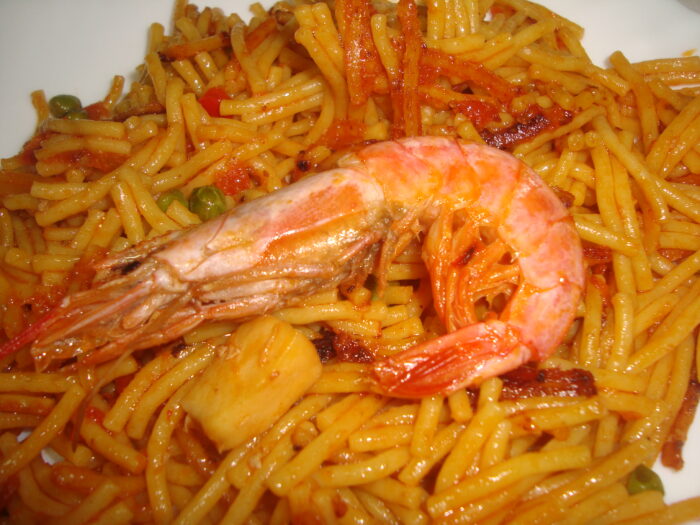
A plate of fideuà. Phot by Juan Emilio Prades Bel licensed under CC BY-SA 4.0
The Costa Brava is known for its jagged cliffs, turquoise coves and picture-perfect towns, but there’s something else that keeps people coming back — the food. From seaside grills to rustic market stalls, the Costa Brava’s food culture is rich, proud and deeply tied to its Catalan roots. But while the region has its fair share of high-end restaurants and holiday-priced menus, you don’t need to spend big to eat well.
In fact, you can eat like a local for under €20 a day — and not feel like you’re missing out. The trick is knowing where to go, what to order, and how locals actually eat. This isn’t about surviving on crisps and entrepans from the petrol station. It’s about full lunches, market-fresh snacks and proper meals that don’t cost a fortune. Here’s how to make the most of Costa Brava food without blowing your budget.
Understanding Costa Brava food culture
To eat like a local, you first need to understand how locals eat. Costa Brava food is grounded in Catalan cooking, shaped by the seasons and heavily influenced by the sea. It’s not flashy, but it’s full of flavour — and surprisingly affordable when you know what you’re looking for.
The food here reflects the geography, where mountains meet the Mediterranean: grilled fish caught that morning, hearty inland stews, and vegetables from smallholdings just outside town. Olive oil, tomatoes, garlic and wine are at the heart of almost every meal.
Local favourites include pa amb tomàquet — toasted bread rubbed with tomato, sprinkled with salt, and drizzled with oil — which turns up at every meal from breakfast to dinner. Suquet de peix, a fish stew thickened with potatoes and spiced with paprika, is a coastal staple. You’ll also find plenty of cured meats, fresh anchovies from L’Escala, and simple grilled meats served with beans or roasted peppers.
There’s a strong tradition of cooking at home, shopping at markets and eating what’s in season. But when Catalans eat out, they know where to go — and when.
Why locals eat differently to tourists
Tourists often eat dinner too early, go to restaurants with laminated menus in four languages, and order dishes that aren’t even local. Meanwhile, locals are heading to small bars, market canteens or mid-week menus that offer real value.
Lunch is the main meal of the day in the Costa Brava. Most locals skip a big breakfast and eat a full menu del día (set menu) between 1:30 and 3:30pm. It often includes three courses, plus bread, wine or water, and sometimes coffee — all for around €10–€15. Dinner tends to be lighter: a tapa or two, soup, potato omelette or a bit of cold meat and cheese at home.
Watch the language
Menus are often written in Catalan, sometimes Spanish, and only occasionally in English. A few useful phrases will go a long way — not just for understanding what you’re ordering, but for spotting places that cater to locals rather than tourists. If a menu only appears in English, it’s usually a sign you’re paying more than you need to.
Your daily food plan for under €20
Eating well for less than €20 a day in the Costa Brava isn’t about cutting corners — it’s about following the local rhythm. Breakfast is quick and light, lunch is generous and leisurely, and dinner is often small but satisfying. Here’s how to pace your day the way locals do, while keeping your budget in check.
Breakfast (€2–€3): Keep it simple
Locals rarely go big at breakfast. Most grab a quick coffee at the bar with a pastry or toast, often standing up. It’s cheap, quick, and gives you a proper taste of daily life.
- What to order: A cafè sol (espresso) or cafè amb llet (coffee with milk), plus a croissant, ensaimada or pa amb tomàquet with olive oil.
- Where to go: Avoid cafés on main squares or tourist-heavy streets. Instead, look for bars where builders or pensioners are having a quiet smoke outside.
- Price point: Around €1.20 for coffee, €1–€1.50 for pastry or toast.
Markets also offer good value — grab some seasonal fruit or a slice of tortilla to go.
Lunch (€10–€15): The best value meal of the day
This is where your money goes furthest. The menu del día is a fixed-price lunch menu served at nearly every restaurant between 1pm and 3:30pm. It’s a cultural institution and usually cheaper than ordering off the regular menu.
- What’s included: Usually a starter, main, dessert or coffee, bread and a drink (wine, beer or water).
- Typical dishes: Lentil stew, grilled sardines, fideuà (like paella, but with noodles), pork with beans, or roast chicken. Starters might include soup, salad, or local charcuterie.
- How to find one: Walk a few blocks away from tourist centres. Look for chalkboards outside with prices marked.
You’ll leave full. In fact, many locals eat little or nothing else the rest of the day.
Dinner (€5–€8): Light and local
After a big lunch, dinner in the Costa Brava is usually small. Locals might stay home with leftovers, have a few bites at a bar, or pick up something simple from the market. You can still eat out affordably if you adjust your expectations.
- Options include:
- A couple of tapas and a small beer.
- A deli sandwich or slice of coca (Catalan flatbread with toppings).
- Supermarket deli counter — cured meats, cheese, a salad or fresh bread.
- A slice of truita de patates from a local bakery.
- Where to go: Small bodegas or corner bars with handwritten signs. Supermarkets like Bonpreu or Mercadona have good quality cold food.
- Extras: Add a bottle of local wine (€3–€5 from a shop) and stretch it over several evenings.
By swapping a heavy evening meal for something light and local, you stay within budget and eat more like the people who live here.
Where to shop like a local
Costa Brava towns still rely on their markets and small shops for everyday food. Locals know that the best produce isn’t necessarily found in restaurants — it’s at the stalls and counters where regulars shop daily. If you want to eat well for less, you’ll need to think like a neighbour, not a visitor.
Markets worth visiting
Every Costa Brava town has a weekly open-air market, usually in the town square, as well as a permanent covered market. These are the places to go for fresh, local, and affordable ingredients — especially if you’re self-catering or packing picnic lunches.
Here are a few standout ones:
- Mercat del Lleó (Girona): A proper covered market with butchers, bakers, cheesemongers and fish stalls. Look for ready-to-eat deli items — tubs of olives, local anchovies, grilled veg and cooked pulses.
- Palamós Fish Market: Attached to the port, it’s a working fish market with a public auction. Nearby stalls sell grilled sardines and seafood ready to eat.
- Figueres weekly market (Tuesdays, Thursdays and Saturdays): Fruit, veg, nuts and cured meats. Prices are aimed at locals, not tourists.
Markets are also a good place to pick up lunch on the move — a chunk of cheese, some cured sausage, a loaf of bread and a punnet of strawberries can feed two for under €6.
Supermarkets and bakeries
Don’t overlook local supermarkets. While chain stores like Carrefour Express are more expensive and geared to tourists, Catalan and Spanish chains such as Bonpreu, Esclat, Bon Area, Caprabo, and Mercadona offer solid value.
Look out for:
- Sliced Iberian ham, Catalan cheese (mató, formatge de cabra), and ready-made tapas trays.
- Fresh bread, bottled local wine, and house-brand tinned seafood like mussels or cockles.
- Yoghurts from La Fageda — a local dairy co-operative from Garrotxa.
Bakeries (often labelled forn de pa or forn artesanal) are ideal for cheap lunches and snacks. A slice of coca, a filled baguette or a spinach-filled empanada usually costs under €3. You’ll get better quality and bigger portions than in tourist cafés.
But not only does shopping like a local save you money, it also gives you a closer connection to the region’s food culture. You’re eating what’s in season, what’s local, and what people here actually buy.
Must-try dishes that won’t break the bank
One of the joys of eating in the Costa Brava is that some of the best regional dishes are also the simplest — and most affordable. You don’t need a white tablecloth or a seaside terrace to try the real thing. These are the local favourites that regularly show up on menu del día boards, in bakery counters or on family tables.
Local dishes under €10
Some of the region’s best everyday dishes are also the simplest. These are the staples you’ll find in bars, bakeries and casual restaurants — satisfying, regional and easy on the wallet.
- Pa amb tomàquet: Toasted rustic bread rubbed with ripe tomato, olive oil and salt. Often served with cheese or cured meats. Basic, yes — but when the ingredients are good, it’s spot on.
- Botifarra amb mongetes: Grilled local pork sausage with white beans. Hearty, filling, and usually under a tenner.
- Fideuada: A noodle-based version of paella, often made with cuttlefish or prawns and served with a spoonful of allioli. More common inland than you might think.
- Truita de patates: Thick omelette made with potatoes and onions. Sold by the slice in bakeries and bars — great for a cheap dinner or a mid-morning snack.
- Canelons: Pasta tubes filled with minced meat or chicken, often topped with béchamel. A Monday lunch staple in many Catalan homes and restaurants, made from weekend leftovers.
Worth saving for: suquet de peix
Suquet de peix deserves a special mention. This slow-cooked seafood stew is one of the Costa Brava’s most iconic dishes — rich with monkfish, prawns, potatoes and garlic. You won’t find it for under €10, but it’s well worth seeking out as part of a menu del día at a slightly higher-end local place, or splitting with a friend for a proper taste of the coast.
Seasonal and regional specialties
Eating with the seasons keeps prices low and the quality high. Many dishes come and go depending on what’s available, so knowing what’s in season can help you find the best food at the best value.
- Calçots (winter/early spring): Grilled green onions served with romesco sauce. Popular at festivals and village restaurants — often part of a set meal.
- Escudella i carn d’olla (winter): A slow-cooked meat and veg stew. Look for it on daily menus when the weather turns cold.
- Tumbet (summer): A baked vegetable dish similar to ratatouille, made with peppers, aubergine and courgette.
Keep an eye out for food fairs and village events too. Towns often hold festes where local producers sell their specialities at street stalls — things like grilled sardines, salted cod, or sausages with beans, often at friendly prices.
Even in tourist-heavy areas, these dishes are easy to find — but head a few streets away from the front and prices tend to drop, quality tends to rise.
How to find affordable local restaurants
Not all cheap meals are good — and not all good meals are expensive. The challenge is finding places that offer real Costa Brava food at local prices, especially in towns where menus can swing wildly from €12 to €40 on the same street. Here’s how to spot the places locals trust — and the signs that you’re walking into a tourist trap.
Avoiding the tourist premium
It’s not just about price — it’s about value. You could pay €15 for a microwaved paella on a beachside terrace, or €10 for a freshly cooked fideuà a block inland. The trick is knowing how to read the signs.
- Menu language matters: If a menu is only in English or lists dishes like “tapas platter” or “English breakfast”, it’s not a local favourite.
- Laminated menus and glossy photos: Often a red flag — these places tend to rely on passing trade, not repeat customers.
- Restaurant promoters on the pavement: Locals don’t need someone pulling them in off the street.
Instead, head down the side streets. Look for bars or restaurants where the signs are in Catalan or Spanish and the décor looks lived-in rather than staged. A full house of older locals at lunchtime is always a good sign.
Signs of a local favourite
These clues usually point to the real thing — restaurants where the food is made in-house, the prices are fair, and the same customers come back week after week.
- Busy at lunchtime, quiet in the evening: In the Costa Brava, lunch is king. A packed dining room between 2pm and 3pm, then shut by 4pm, is a sign they’re serving serious food.
- Daily chalkboard menu: Most local places offer a handwritten menu del día that changes with what’s fresh and affordable.
- No fuss, no English: Staff might not speak much English, but they’ll make space for you, and the food will speak for itself.
- House wine in a jug: Local restaurants often serve their own vi de la casa by the glass or half-litre — cheap, drinkable, and included with lunch in many places.
A good trick is to use Google Maps — but don’t just read the English reviews. Switch to Spanish or Catalan comments and see what locals are saying. Phrases like buena relación calidad-precio (good quality for the price) or comida casera (homemade food) are what you’re looking for.
By steering clear of obvious tourist targets and trusting local clues, you’ll not only save money — you’ll eat better too.
Final tips for eating well without overspending
Once you’ve got the hang of local meal times, daily menus and market finds, sticking to a €20-a-day food budget becomes second nature. But there are still a few small tips that can help you stretch your euros even further — without missing out.
Lunch portions in the Costa Brava can be generous, especially at family-run restaurants. Don’t be shy about asking for leftovers to go — it’s perfectly acceptable, especially if you bring a small container. That leftover botifarra could be your dinner.
If you’re budgeting tightly for most of your meals, consider setting aside one day to splash out on a special lunch — ideally seafood by the coast, or a multi-course Catalan tasting menu inland. Doing this once or twice over a trip makes it feel more special, and the contrast makes the budget days feel like a smart choice, not a compromise. And local festivals often include food stalls where you can try traditional dishes for a fraction of the price you’d pay in a restaurant. These festes majors or village celebrations often run in the summer, especially at weekends. Think grilled sardines, sausage rolls, or hot stews served in plastic bowls — cheap, communal and full of flavour.
Costa Brava food doesn’t have to come with a high price tag. In fact, some of the best things to eat here are the simplest — if you know where to look. Keep your meals local, seasonal and grounded in the daily rhythm of life in Catalonia, and you’ll find it’s not just possible to eat well on €20 a day — it’s surprisingly easy.
Tags: Budget travel, Food