Catalan Wine 101: What to Drink, Where It’s From, and Why It’s So Underrated
August 5, 2025Small producers, native grapes and centuries of tradition make Catalan wine a quiet rival to Spain’s more famous regions.
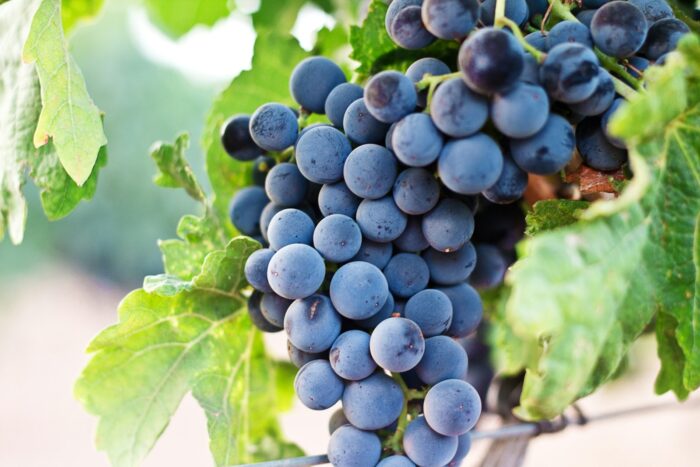
Grapes on a vine. Photo by Nacho Domínguez Argenta
Catalonia’s quiet wine revolution
For a region with such a long winemaking tradition, Catalonia rarely gets the attention it deserves. Ask most wine drinkers to name Spanish wines, and they’ll likely jump straight to Rioja or Ribera del Duero. Yet Catalonia – with its patchwork of microclimates, independent spirit and often family-run wineries – has been quietly producing some of the country’s most exciting bottles for years.
You’ll find everything here: bold reds, mineral whites, complex sparklings and even some exceptional natural wines. But it’s not just about taste. Catalan wine reflects the place it comes from – politically, culturally, and geographically. These aren’t just Spanish wines made in Catalonia. They are Catalan wines. There’s a difference, and it shows in the glass.
Why Catalan wine isn’t better known
There are a few reasons for this. First, the big players of Spanish wine – like Rioja – have spent decades marketing themselves abroad. Catalan regions, by contrast, tend to be more fragmented, often smaller, and far more focused on local markets or independent exports. Add in the complexity of the Catalan language, place names that don’t always roll off the tongue, and labels that prioritise identity over accessibility, and you can see how casual drinkers might overlook them.
Then there’s the political layer. Catalonia’s distinct identity within Spain means its wines are often wrapped up in bigger conversations about culture and autonomy. For some, that’s part of the appeal. For others, it can be confusing or off-putting – especially when the marketing leans into local pride.
The key difference with Spanish wines: cultural identity in a bottle
Catalan wine often feels more personal. While large cooperatives and global brands exist, a huge part of the scene is made up of small producers who care deeply about local grapes, sustainable practices and keeping traditions alive. They’re not just making wine — they’re telling stories, defending land, and preserving heritage.
There’s also an openness to experimentation. While regions like Rioja have historically clung to ageing rules and stylistic formulas, Catalan winemakers have embraced everything from amphora ageing and biodynamics to international blends and low-intervention techniques.
A brief look at Catalonia’s wine heritage
Wine in Catalonia goes back over two thousand years. The Greeks and Romans were the first to plant vines, especially in Empordà and Penedès. Monasteries in the Middle Ages helped maintain wine culture through turbulent periods, and by the 19th century, the region was thriving – until phylloxera hit.
That insect plague devastated vineyards across Europe, and Catalonia was no exception. But it also led to a replanting revolution, and eventually to the founding of some of today’s most important producers. In the 20th century, the creation of the Denominació d’Origen (DO) system gave winemakers a framework for quality control and regional identity.
Today, there are twelve official DOs in Catalonia, plus one DOQ – a higher classification – and dozens of independent projects operating just outside the system. Whether you’re buying a bottle or planning a trip, knowing the key regions is the best way to begin.
The Catalan wine map: regions that matter
Catalonia isn’t a single wine region. It’s a patchwork of micro-regions, each with its own climate, soil, and personality. From mountain terraces to coastal plains, the landscape shifts quickly – and so do the wines. Whether you’re after intense reds, refreshing whites or refined sparkling wines, the best way to understand Catalan wine is to know where it’s from.
Here’s a breakdown of the main regions (DOs) you’ll want to know – starting with the only one to hold Spain’s top-tier status.
DOQ Priorat: power, prestige and slate
Located inland from Tarragona, Priorat is Catalonia’s crown jewel. It’s one of only two regions in Spain with the prestigious DOQ (Denominació d’Origen Qualificada) status, recognising consistent high quality.
What makes Priorat stand out? For one, its llicorella soils – a mix of black slate and quartz – force vines to dig deep for nutrients, resulting in small yields and intensely concentrated grapes. Most wines are red and built around Garnatxa (Grenache) and Carinyena (Carignan), often blended with Syrah or Cabernet Sauvignon.
Expect deep, dark fruit, structure, minerality, and age-worthiness. These are serious wines, often with price tags to match, though there are younger styles emerging that are more approachable and budget-friendly.
DO Montsant: Priorat’s neighbour with a softer side
Wrapped around Priorat like a horseshoe, Montsant shares much of its terrain and grape varieties – but without the high price point or prestige pressure. It’s often described as Priorat’s more relaxed cousin.
Here, you’ll find Garnatxa and Carinyena again, but also a lighter touch in some winemaking styles. There’s a growing number of natural and organic producers, and the wines can be surprisingly elegant. If you’re after the depth of Priorat without emptying your wallet, Montsant is the smart pick.
DO Empordà: the Costa Brava’s own wine country
Tucked into the north-east corner of Catalonia, DO Empordà is the region most connected to the Costa Brava – and arguably one of the most underrated.
The Tramuntana wind keeps the vineyards dry and disease-free, while the mix of granite, slate and sandy soils allows for real diversity. You’ll find full-bodied reds, crisp whites, and increasingly, some excellent rosés. Garnatxa and Carinyena dominate, but white varieties like Macabeu and Garnatxa Blanca also shine.
This is also a fantastic region to visit. With its coastal views, hilltop villages and proximity to places like Cadaqués, Empordà pairs wine with tourism in a way that feels effortless.
DO Penedès: the sparkling capital and Xarel·lo’s home
Most people know Penedès because of Cava – Spain’s traditional method sparkling wine – and indeed, this is its heartland. But there’s more here than just bubbles.
Penedès is home to Xarel·lo, a native white grape that’s finally getting the attention it deserves. When made still, it’s zesty, structured and mineral – great with seafood or on its own. Penedès also produces excellent Chardonnay, Sauvignon Blanc and increasingly, experimental blends.
Some producers have broken away from the Cava DO entirely and now label their sparkling wines under Corpinnat, a group focused on quality and terroir. It’s a sign of how seriously Penedès takes innovation and identity.
DO Terra Alta: Garnatxa heaven in the highlands
South-west of Tarragona, Terra Alta is a rising star known for white Garnatxa (Grenache Blanc), which thrives in its dry, high-altitude vineyards. The wines here are often aromatic, full-bodied and surprisingly fresh given the heat.
Red wines from the region – especially Garnatxa Negra and Syrah blends – are gaining traction too. With a mix of modern wineries and rustic traditions, Terra Alta offers value, character and something a bit off the beaten path.
Other DOs to watch
There are several smaller DOs worth mentioning, depending on how deep down the rabbit hole you want to go:
- DO Costers del Segre: inland, with high-altitude vineyards and lots of experimentation.
- DO Pla de Bages: close to Barcelona, with a focus on native grapes and sustainability.
- DO Tarragona: historically important, though much of its output is bulk or sacramental wine, with a few gems.
Together, these regions give Catalan wine its richness and range. If there’s one takeaway, it’s this: you can’t talk about Catalan wine as a monolith. It’s a mosaic — and that’s exactly what makes it worth exploring.
Grapes you need to know
Once you start drinking Catalan wine, certain grapes pop up again and again. Some are native to the region, with centuries of history; others are international varieties that have taken on a local character. You don’t need to memorise them all, but if you get to know a few key names, you’ll have a much easier time understanding what’s in your glass — and spotting good bottles when you’re out shopping or at a tasting.
Here’s a quick guide to the most important grapes in Catalonia.
Red grapes
Garnatxa (Grenache)
The backbone of many Catalan reds, Garnatxa is grown in several forms — Garnatxa Negra (red), Garnatxa Blanca (white), and even Garnatxa Peluda (a fuzzier-leaved version). The red variety brings soft tannins, ripe red fruit, spice and warmth. It thrives in Empordà, Priorat, Montsant and Terra Alta. It can produce both easy-going table wines and serious, cellar-worthy bottles.
Carinyena (Carignan)
Often blended with Garnatxa, Carinyena adds structure, acidity and colour. It’s a workhorse grape that can feel rustic on its own, but in the right hands it delivers deep, dark fruit and longevity. You’ll find plenty of it in Priorat and Montsant, where old vines produce especially concentrated results.
Ull de Llebre (Tempranillo)
Known more widely as Tempranillo, Ull de Llebre is grown throughout Spain, but in Catalonia it plays a supporting role. It tends to be blended with other grapes rather than standing alone. Expect red cherry notes, medium tannins and a more restrained style compared to its Rioja counterparts.
Syrah
A relative newcomer, Syrah has adapted well to Catalonia’s warmer spots. It brings dark fruit, peppery spice and depth to blends, especially in Montsant and Terra Alta. When well-made, it can rival some Rhône-style wines.
Cabernet Sauvignon and Merlot
These international grapes were introduced widely during the 1980s and 90s, part of a movement toward more “modern” wines. They’re still used today, particularly in Penedès and Empordà, often in blends. While not unique to the region, they’ve added diversity and helped some producers break into international markets.
White grapes
Xarel·lo
The star of Penedès, Xarel·lo is one of the three main grapes used in Cava, but it also makes excellent still wines. It’s crisp, herbal, and often shows a distinctive saline minerality. Think of it as Catalonia’s answer to Sauvignon Blanc — though with more subtlety and ageing potential.
Garnatxa Blanca (White Grenache)
Grown mostly in Terra Alta, Garnatxa Blanca can produce full-bodied whites with floral and stone fruit notes. It handles oak well and is often used in blends, but there’s a growing number of single-varietal bottlings that are well worth trying.
Macabeu (Viura)
Another of the Cava trio, Macabeu is light and floral, with gentle acidity. It’s rarely the star of the show but brings freshness and balance, especially in sparkling blends. In Empordà, you might find still versions that are soft, citrusy and easy-drinking.
Parellada
The third traditional Cava grape, Parellada contributes lightness and finesse to blends. It’s usually planted at higher elevations, where it retains its acidity better. On its own, it’s delicate and best consumed young.
Malvasia de Sitges
A rarer grape, Malvasia de Sitges is seeing a small revival in coastal areas. It’s aromatic and slightly oily in texture, with notes of white peach, flowers and tropical fruit. Some wineries are using it for sweet wines or more experimental dry whites.
How local terroir affects taste
Catalonia’s wines don’t just reflect the grapes — they reflect where those grapes are grown. The slate soils of Priorat bring minerality and grip. The windy, coastal zones of Empordà lend freshness and saltiness. The high-altitude areas of Terra Alta and Costers del Segre help preserve acidity even in hot summers.
Climate, soil and altitude all play their part. This means that the same grape — say, Garnatxa — will taste very different depending on whether it comes from a breezy hill near the Costa Brava or a sun-drenched slope in Montsant.
Learning to recognise these differences is part of the fun. And once you know which grapes you like, and which regions produce them best, you’ll be able to explore Catalan wines with far more confidence.
What to drink (and what to avoid)
Once you’ve got a sense of the regions and grapes, the obvious question is: what should you actually be drinking? Whether you’re standing in a wine shop in Girona or scrolling through an online bottle shop in London, Catalan wine can be tricky to navigate. There’s no shortage of quality — but knowing what to look for (and what to skip) makes all the difference.
Here’s a straightforward guide to help you buy, taste, and enjoy Catalan wines with confidence.
Wines to look out for in shops
If you’re just starting out, these are the kinds of bottles worth reaching for. They’re widely available, represent their region well, and won’t set you back too much.
- Mas Martinet ‘Martinet Bru’ (Priorat) – A bold but balanced blend with rich fruit and earthy depth.
- Espelt Viticultors ‘Sauló’ (Empordà) – Fresh and spicy Garnatxa-based red; great value and easy-drinking.
- Alta Alella ‘Mirgin’ (Penedès) – A biodynamic sparkling wine that shows what Cava can be when taken seriously.
- La Vinyeta ‘Heus’ Blanc (Empordà) – Crisp, floral and versatile; a local favourite.
- Cellers de Scala Dei ‘Garnatxa’ (Priorat) – Classic Priorat intensity with more lift and elegance.
If you’re outside Spain, check independent wine shops or online retailers that focus on Spanish or natural wines — they’re far more likely to carry quality Catalan bottles than the big supermarkets.
Affordable wines under €15
You don’t need to splash out to get a good bottle. In fact, Catalonia is one of the better regions in Europe for budget-friendly, well-made wine — especially if you’re on the ground here.
Look for:
- Montsant reds – especially blends of Garnatxa and Carinyena. Often rich but not overdone.
- Empordà whites – blends featuring Garnatxa Blanca or Macabeu tend to be fresh and food-friendly.
- Penedès Xarel·lo – increasingly found as a still wine, often mineral and precise.
- Terra Alta whites – especially from co-ops like Celler Bàrbara Forés or Altavins.
Local co-operatives, especially in smaller towns, often produce surprisingly good table wines at very reasonable prices. And if you see a label with “Vi de Vila” or “Vi de Finca”, that’s usually a sign of quality — it indicates a specific village or estate.
Cava worth knowing
Cava has an image problem — cheap supermarket fizz has dragged the name down. But proper Cava (and its rebel cousin Corpinnat) can be elegant, complex and age-worthy. Look for bottles with longer ageing times and traditional grape blends.
Try:
- Recaredo Brut Nature Gran Reserva – Bone dry, with layers of citrus, brioche and spice.
- Gramona ‘III Lustros’ – A high-end sparkling that easily competes with Champagne.
- Llopart Integral – Fresh, structured and made without added sugar (Brut Nature).
If the bottle says Corpinnat, you’re likely in good hands — these producers have broken away from the Cava DO to focus on terroir, sustainability and quality.
Natural and low-intervention wines in Catalonia
Catalonia has quietly become one of Europe’s hotspots for natural wine. You’ll find producers using amphorae, minimal sulphur, native yeasts and even ancient varieties that nearly disappeared.
Some key names to look out for:
- Partida Creus (Penedès) – Funky, expressive wines with personality and often surprising grape choices.
- Celler La Gutina (Alt Empordà) – Low-intervention wines with a strong sense of place.
- Vinyes Tortuga (Empordà) – Playful labels, zero-additive wines, and a strong following among natural wine fans.
Not every natural wine is a hit — especially if you’re not used to the style — but this scene is where a lot of Catalonia’s innovation is happening.
Where to skip: overly industrialised wines and what to avoid on a label
Like anywhere, Catalonia has its share of mass-produced, characterless wine. If a bottle is suspiciously cheap, brightly branded, or has no clear mention of region or grape, it’s probably not the best representation of what Catalonia can offer.
Watch out for:
- Vague blends with no DO listed
- Wines labelled just as “Cava” with no vintage or producer info
- Bottles that rely heavily on gimmicky marketing
That said, don’t be put off by labels in Catalan — they often reflect pride in local identity and don’t necessarily mean the wine is obscure or unapproachable.
Wine tourism: tasting Catalonia in person
If you’re travelling in Catalonia — or lucky enough to live here — there’s no better way to understand its wines than to taste them at the source. Visiting local wineries gives you context: the landscape, the people behind the bottles, and the food that pairs so naturally with what’s in your glass. And because the region is compact, it’s easy to build wine tasting into a longer trip — whether you’re based in Barcelona, on the Costa Brava, or inland.
Here’s how to explore Catalonia’s wine country, region by region.
Where to visit in Empordà DO
The Costa Brava’s wine region is a standout for visitors, not just for the wine but for the setting. Vineyards here stretch between the sea and the Pyrenees, and many wineries are within easy reach of Girona, Figueres or Cadaqués.
Top spots:
- La Vinyeta (Mollet de Peralada) – A family-run winery offering informal tours, olive oil tastings, and great food pairings.
- Espelt Viticultors (Vilajuïga) – One of the best-known producers, with a focus on local varieties and organic farming.
- Celler Martín Faixó (Cadaqués) – Located near Cap de Creus, this winery has stunning views and a real “end of the road” feel.
Tip: Combine a visit with a stop at the Dalí Theatre-Museum or a seafood lunch by the coast.
Penedès wine route: bubbles, modernism and day trips from Barcelona
Just 45 minutes from Barcelona, Penedès is one of the easiest wine regions to visit — and one of the most rewarding. It’s where most of the country’s Cava is made, but also home to small producers crafting still wines with real personality.
Must-see wineries:
- Recaredo (Sant Sadurní d’Anoia) – Long-ageing Corpinnat sparkling wines made biodynamically.
- Parés Baltà (Pacs del Penedès) – Family-owned with a wide range of wines and strong focus on sustainability.
- Albet i Noya (Sant Pau d’Ordal) – Organic pioneers with approachable still wines and panoramic tasting rooms.
Bonus idea: Pair your wine tour with a visit to one of the region’s lesser-known modernist buildings, or plan a lunch in nearby Vilafranca del Penedès — a wine town through and through.
Priorat road trip: tiny villages and big reds
Priorat is more remote — about two hours from Barcelona — but it’s a dream for serious wine lovers. The scenery alone is worth the trip: terraced vineyards, dusty hilltop towns, and winding roads with views across olive groves and rocky slopes.
Where to taste:
- Clos Mogador (Gratallops) – One of Priorat’s legendary producers. Tastings by appointment only.
- Mas Doix (Poboleda) – High-altitude vineyards and wines with precision and elegance.
- Scala Dei (Escaladei) – A historic winery built on monastic roots, near the ruins of the old Cartoixa monastery.
Make it a weekend: Stay overnight in Gratallops or Falset, and build in a few tasting stops each day. Advance booking is essential — many wineries are small and work by appointment only.
Practical tips for wine tasting in Catalonia
- Booking: Always book ahead. Many wineries are small and don’t take walk-ins.
- Language: English is widely spoken at larger wineries, but in smaller places, a few words of Catalan or Spanish go a long way.
- Timing: Avoid Sundays — lots of places close. And steer clear of late July and August when things can be sweltering and overbooked.
- Getting around: Public transport can be patchy. If you’re not driving, consider guided wine tours, especially in Penedès.
- Buying wine: Most places will ship bottles home for you — helpful if you’re flying with hand luggage only.
Whether you’re after rustic charm or polished tasting rooms, Catalonia’s wine regions are accessible, authentic and a brilliant excuse to explore more than just the coast or city.
Why Catalan wine deserves more love
Catalan wine isn’t trying to be flashy. It doesn’t come with the marketing machine of Rioja, or the easy familiarity of Chianti or Bordeaux. It takes a bit more effort to get to know — but once you do, it offers something richer: a genuine sense of place, a link between old and new, and a glimpse into a region that’s always been proud to do things its own way.
So why does it still fly under the radar?
Cultural pride in every bottle
Catalonia’s wines aren’t just agricultural products — they’re cultural expressions. Many producers proudly label their bottles in Catalan, use indigenous grape names, and reference specific micro-villages or historical vineyard sites. This isn’t just branding. It’s part of a deeper effort to assert identity through wine.
For some drinkers, especially outside Spain, that can be a barrier. But for those curious enough to look past it, it’s also what makes these wines so personal, rooted, and rewarding.
Sustainability and small producers
While industrial winemaking still exists in pockets, much of Catalonia’s most exciting wine is being made by small, family-owned operations — often working organically or biodynamically, long before those terms became trendy. There’s a focus on soil health, biodiversity, and minimal intervention in both vineyard and cellar.
The region is also home to one of the most active natural wine scenes in Europe. While not every bottle will suit every palate, the willingness to experiment and the commitment to transparency makes Catalonia a haven for thoughtful wine drinkers.
The future of Catalan wine — where it’s heading
A new generation of winemakers is pushing things forward without abandoning tradition. They’re reviving near-extinct grape varieties. They’re exploring forgotten plots of old vines. And they’re increasingly focused on making wines that speak more clearly of the land they come from — rather than chasing international styles.
There’s also a growing local appreciation for Catalan wine. For a long time, many restaurants and bars in Barcelona leaned heavily on Rioja or Rueda. Now, more and more are championing bottles from Penedès, Montsant, Empordà and beyond.
Why it’s time to stop ignoring it
If you care about where your wine comes from, how it’s made, and what it represents — Catalan wine is worth your attention. It’s not a passing trend. It’s a region with deep roots, a complex identity, and an exciting future.
And whether you’re drinking a crisp Xarel·lo on a sunny terrace, or sipping a smoky Priorat red by the fire, one thing becomes clear pretty quickly: Catalan wine might not shout — but it’s got plenty to say.
Tags: Costers del Segre, DO Empordà, Empordà, Montsant, Penedès, Pla de Bages, Priorat, Tarragona, Terra Alta, Wine