Where to moor your boat on the Costa Brava
May 20, 2025With its mix of well-equipped marinas and natural anchorages, the Costa Brava has mooring options to suit both long-term sailors and day-trippers.
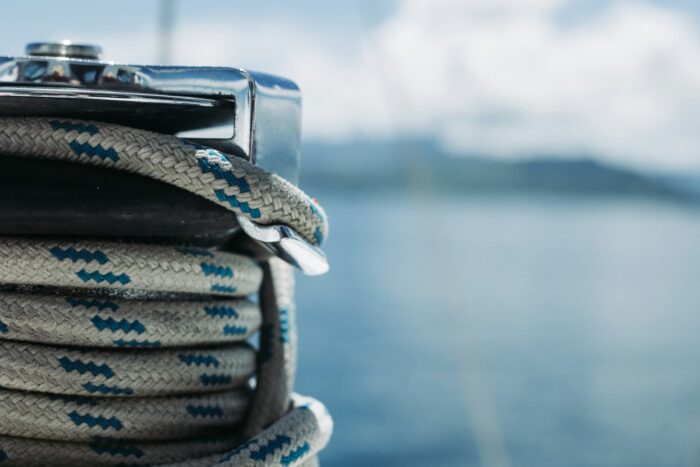
Closeup of a yacht winch. Photo by James Coleman.
The Costa Brava is one of the most rewarding places to explore by boat, with its rugged cliffs, hidden coves, and crystal-clear waters. Whether you’re looking for a fully equipped marina with all the facilities or a quiet anchorage surrounded by nature, there are plenty of options along this stretch of coastline.
But where should you moor? Some ports offer excellent shelter and services, while others provide easy access to charming coastal towns. In this guide, we’ll look at the best places to moor your boat in the Costa Brava, what to consider when choosing a spot, and whether Barcelona might be a better alternative for some boat owners.
Choosing the right mooring: What to consider
Not all mooring spots in the Costa Brava are the same. Some ports are large, modern marinas with top-tier facilities, while others are smaller and more basic. Before deciding where to moor, here are a few key factors to consider.
Boat size and draft
Larger yachts may struggle to find space in smaller harbours, and some marinas have depth restrictions. If you have a deep-draft vessel, check the marina’s specifications in advance to avoid running into trouble.
Facilities needed
Do you need fuel, shore power, or a boatyard for maintenance? Some marinas offer full services, while others are more suited to short stops. If you’re planning a longer stay, look for locations with showers, laundry, and provisioning options.
Shelter and weather conditions
The Costa Brava is known for the Tramuntana, a strong north wind that can make some anchorages uncomfortable or even dangerous. When choosing where to moor, consider how well the port or anchorage is sheltered from wind and swell.
Accessibility and nearby services
Some marinas are right in the heart of lively towns, while others are more remote. If you want easy access to restaurants, supermarkets, and transport links, make sure the marina is close to an active town or city.
Reservations and availability
During peak season, marina space is in high demand, and some ports require reservations well in advance. If you’re travelling in summer, plan ahead to secure a berth in your preferred location.
Choosing the right mooring spot depends on what you need from your stay. Whether it’s full-service convenience or a quiet natural setting, the Costa Brava has options to suit all types of boaters.
Major marinas and ports in the Costa Brava
The Costa Brava has a mix of large, well-equipped marinas and smaller harbours that cater to visiting boats. Below are some of the best places to moor, whether you need full services or just a safe stop along the coast.
Port de Roses
One of the largest marinas in the Costa Brava, Port de Roses offers excellent facilities and easy access to the Cap de Creus Natural Park. The marina has over 400 berths, fuel stations, and a range of services, including maintenance and provisioning. The town of Roses itself has plenty of restaurants and shops, making it a convenient and comfortable stop.
Marina Empuriabrava
Often called the Venice of Spain, Empuriabrava is one of Europe’s largest residential marinas, with over 5,000 private moorings along its network of canals. The main marina offers visitor berths and good protection from rough seas. It’s a great option if you’re looking for a full-service location with easy access to shops, restaurants, and marine services.
Club Nàutic L’Escala
L’Escala is a well-sheltered marina with modern facilities and a relaxed atmosphere. It has over 900 berths and a boatyard for maintenance. The location is ideal for exploring the nearby Ruins of Empúries, one of Catalonia’s most important archaeological sites.
L’Estartit
A great option for those wanting to explore the Medes Islands Marine Reserve, L’Estartit offers a mix of mooring options, from marina berths to anchoring areas. The marina provides fuel, water, electricity, and repair services, making it a convenient stop for those sailing along the Costa Brava.
Port de Palamós
Palamós is one of the most active ports in the Costa Brava, with a mix of commercial, fishing, and leisure boating. The marina offers over 200 berths and full facilities, including restaurants, fuel, and boat repairs. It’s a great choice if you want to be near a lively town with plenty of dining and shopping options.
Port d’Aro (Platja d’Aro)
A modern marina with good protection from northerly winds, Port d’Aro has 700+ berths and a range of services, including boat rentals and maintenance. It’s located near Platja d’Aro, a resort town known for its beaches, restaurants, and nightlife.
Blanes Marina
Blanes marks the southern gateway to the Costa Brava and is a popular stop for those heading to or from Barcelona. The marina has over 300 berths, fuel services, and easy access to the town, which offers a mix of historical sites and modern attractions.
Each of these marinas has something different to offer, from top-tier facilities to easy access to nature reserves. Whether you need a fully serviced berth or just a place to stop for the night, the Costa Brava has plenty of options.
Mooring in Barcelona: An alternative option
For some boat owners, Barcelona can be a better mooring choice than the Costa Brava. While it doesn’t offer the same secluded coves and scenic coastal landscapes, it provides world-class facilities, better transport connections, and a vibrant city atmosphere.
Where to moor in Barcelona
- Port Vell – A high-end marina in the heart of the city, offering luxury services, 24-hour security, and direct access to Barcelona’s attractions.
- Port Olímpic – A more affordable option near the beaches, with a mix of leisure and practical facilities.
- Port Ginesta – Located just south of the city, this marina is quieter and more spacious, with a strong focus on boat maintenance and repairs.
Why moor in Barcelona?
- Easier access to flights and transport – Barcelona’s international airport is well-connected, making it ideal for those who travel frequently.
- More nightlife, restaurants, and cultural attractions – Perfect for those who want a mix of city life and boating.
- A wider range of marine services – More options for repairs, maintenance, and provisioning.
Downsides of mooring in Barcelona
- More expensive – Berth fees tend to be higher than in most Costa Brava marinas.
- Busy waters – More traffic from ferries, cruise ships, and other vessels.
- Further from the Costa Brava’s scenic coastline – If you’re looking for quiet anchorages and nature, it’s not ideal.
For those who want the best of both worlds, some boat owners moor in Barcelona and cruise the Costa Brava when they want a change of scenery. It all depends on whether you prefer city convenience or coastal tranquillity.
Alternative mooring options
Not every boater wants to stay in a marina. If you prefer natural anchorages or quieter mooring spots, the Costa Brava has plenty of alternatives.
Smaller ports and harbours
If you prefer a quieter, more local experience, several smaller ports along the Costa Brava offer moorings with basic facilities. These harbours often have fewer crowds than the larger marinas and can be a great way to experience the region’s fishing villages. Some options include:
- Portbou – The last harbour before the French border, offering a peaceful setting with essential services.
- Colera – A small, sheltered marina with around 150 berths, ideal for those looking for a quiet stop near the French border.
- Llançà – A small but well-equipped port with a friendly atmosphere and good shelter.
- Port de la Selva – A well-protected port with a good mix of services, close to Cap de Creus.
- Cadaqués – A small, scenic harbour that provides mooring buoys rather than berths, preserving the town’s historic charm.
- Aiguablava – A scenic anchorage with limited mooring but stunning surroundings.
- Sant Feliu de Guíxols – A charming spot with a mix of local fishing boats and visiting yachts, plus good seafood restaurants nearby.
While these ports may not have the luxury services of larger marinas, they provide a more relaxed and authentic experience for boaters looking to escape the busiest spots.
Natural anchorages
For those who enjoy dropping anchor in secluded coves, there are some beautiful options along the Costa Brava:
- Cala Montgó (near L’Escala) – A well-protected bay with sandy seabed, good for anchoring.
- Cala Sa Tuna (near Begur) – A small but picturesque anchorage with crystal-clear water.
- Cala Guillola (Cap de Creus) – A peaceful spot, perfect for enjoying the rugged coastline.
Mooring buoys
In some areas, mooring buoys are provided to reduce damage to the seabed. These are particularly common in protected marine reserves, such as:
- Medes Islands – Anchoring is restricted, but mooring buoys are available.
- Cap de Creus – Some bays offer buoys to protect the fragile underwater ecosystem.
Seasonal restrictions
- In peak summer months, anchoring is restricted in some areas to prevent overcrowding.
- Some coves have strong winds (especially in the north), making them less suitable for overnight stays.
- Always check local regulations, as some areas prohibit anchoring to protect marine life.
If you prefer peace and quiet over marina facilities, the Costa Brava has plenty of natural mooring options. Just make sure to respect local rules and check the weather before anchoring.
Tips for hassle-free mooring
Mooring along the Costa Brava can be straightforward if you plan ahead. Here are some key tips to ensure a smooth experience.
Book in advance during peak season
From June to September, marinas fill up quickly, especially in popular spots like Roses, Palamós, and Empuriabrava. Some ports allow online reservations, while others require direct contact via phone or VHF. If you’re visiting in summer, securing a berth early can save a lot of stress.
Know the local regulations and fees
- Mooring fees vary by location, season, and boat size. Some marinas charge by the day, week, or month.
- Anchoring restrictions apply in marine reserves and some crowded bays. Always check signage and local guidelines before dropping anchor.
- Environmental rules mean that in certain areas, mooring buoys must be used instead of anchoring to protect seagrass beds.
Be prepared for Tramuntana winds
The Tramuntana, a strong north wind, can make anchoring tricky, particularly in open bays. If you’re planning to moor overnight, check the weather forecast and choose a sheltered location. Marinas in Palamós, Blanes, and Port d’Aro offer better protection than open anchorages.
Respect the environment
- Avoid anchoring on Posidonia seagrass, which is protected due to its importance for marine life.
- Use mooring buoys where available, especially in sensitive areas like Cap de Creus and the Medes Islands.
- Dispose of waste properly—many marinas have pump-out stations for grey and black water.
By following these tips, you’ll have a smoother, safer, and more enjoyable experience mooring in the Costa Brava.
Finding the perfect mooring spot
The Costa Brava offers a wide range of mooring options, from full-service marinas with all the amenities to quiet anchorages surrounded by nature. Whether you prefer the lively atmosphere of Empuriabrava and Palamós, the well-protected ports of Roses and Blanes, or the natural beauty of Cap de Creus and the Medes Islands, there’s a spot to suit every type of boater.
For those who want city convenience, Barcelona’s marinas provide an alternative, with excellent transport links and world-class facilities—though at a higher price.
Wherever you choose to moor, planning ahead is key, especially during the busy summer months. By considering factors like weather conditions, available facilities, and local regulations, you can ensure a hassle-free experience and make the most of your time exploring this spectacular coastline by boat.
Tags: Boating, Mooring, Sailing