Where to experience the best festivals and local traditions on the Costa Brava
June 10, 2025From medieval re-enactments to seafood feasts, discover the best festivals and local traditions in Costa Brava’s most vibrant towns.
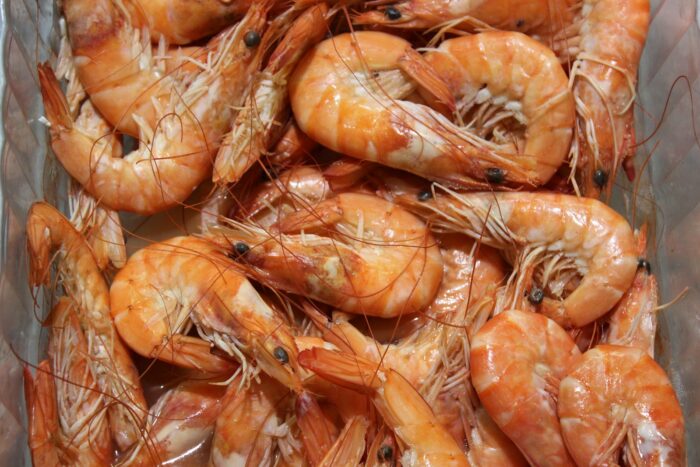
Each year Palamós celebrates its famous prawns. Photo by Anthony Camp.
Costa Brava is known for its coastline, but its cultural heritage is just as remarkable. Throughout the year, towns across the region celebrate their history and traditions with vibrant festivals. From medieval re-enactments to seafood fairs and flower festivals, these events offer a deep dive into Catalan culture.
This guide explores the most fascinating festivals and traditions in Costa Brava’s towns, giving you insight into when and where to experience the best of local life. Whether you’re drawn to historical pageantry, traditional food, or lively street celebrations, these festivals are a highlight of any visit.
Palamós – Prawn festival
Palamós, a lively fishing town, is world-famous for its red prawns, known for their intense flavour and delicate texture. To celebrate this prized delicacy, the town hosts the Palamós Prawn Festival (Festa de la Gamba), where visitors can taste freshly caught prawns and learn about the region’s deep-rooted fishing traditions.
Festival highlights
- Prawn tastings – Stalls along the waterfront serve grilled, boiled, and raw Palamós prawns, often paired with local wines.
- Cooking demonstrations – Renowned chefs showcase different ways to prepare gambas de Palamós, from simple grilled recipes to gourmet creations.
- Fishing boat tours – Visitors can board traditional fishing boats to see how prawns are caught and learn about sustainable fishing practices.
- Seafood market – Fresh prawns and other local seafood are sold at the market, along with Catalan products like olive oil and wine.
When to visit
The exact date varies each year, but the festival typically takes place from the end of May until July. The Palamós Fishing Museum (Museu de la Pesca) also offers year-round exhibitions on the town’s maritime heritage, making it a great stop for seafood lovers any time of the year.
Festa de la Verge del Carme
Every 16th of July, coastal towns across the Costa Brava honour the Virgin of Carmel, the patron saint of fishermen and sailors. This deeply rooted maritime tradition is celebrated in Tossa de Mar, Blanes, Palamós, L’Escala, Roses, and other fishing villages, where decorated boats take part in a solemn sea procession.
Festival highlights
- Maritime procession – Fishing boats, adorned with flowers and flags, carry a statue of the Virgin out to sea while locals watch from the shore.
- Blessing of the sea – A religious ceremony is held to ask for protection for sailors and fishermen.
- Sardanes and havaneres – Some towns, such as Palamós and Tossa de Mar, host performances of sardanes (Catalan folk dance) and havaneres (traditional seafaring songs).
- Local seafood feasts – Restaurants often serve special festival menus featuring fresh fish and traditional Catalan seafood dishes.
When to visit
While Festa de la Verge del Carme is celebrated in many towns, Blanes, Palamós, L’Escala, Roses, and Tossa de Mar are among the best places to experience the event, with large boat processions and vibrant local participation.
Blanes – Santa Anna Festival & Fireworks Competition
Blanes, known as the gateway to the Costa Brava, hosts one of the most spectacular summer events—the Santa Anna Festival, dedicated to the town’s patron saint. The highlight of the festival is the International Fireworks Competition, which attracts thousands of visitors and pyrotechnic teams from around the world.
Festival highlights
- Religious processions – A traditional parade through the town in honour of Santa Anna, with locals dressed in festive attire.
- Gegants and capgrossos – Giant figures and oversized papier-mâché heads take over the streets in lively parades.
- Sardanes dancing – Locals gather in the main square to perform Catalonia’s traditional folk dance.
- The Fireworks Competition – One of Europe’s most prestigious fireworks contests, where international teams put on breathtaking displays over the Mediterranean.
When to visit
The fireworks competition lasts for several nights during the last week of July, with each evening offering a new display. For the best experience, watch from the beachfront promenade or Sa Palomera rock, a famous landmark in Blanes.
Begur – Indianos Fair
Begur, a picturesque town with colonial-era mansions, celebrates its historic ties to Cuba every year with the Indianos Fair (Fira d’Indians). In the 19th century, many locals emigrated to Cuba in search of fortune. Those who returned—known as Indianos—brought back wealth, architectural styles, and cultural influences that shaped Begur’s identity. The festival recreates this era with music, markets, and Cuban-inspired celebrations.
Festival highlights
- Historical re-enactments – The town transforms into a 19th-century colonial hub, with locals dressed in white linen suits and period costumes.
- Cuban music and dance – The streets fill with the sounds of salsa, habaneras, and live bands, creating a vibrant party atmosphere.
- Traditional market – Stalls sell Caribbean rum, cigars, coffee, and artisan crafts, reflecting the historic trade links between Begur and Cuba.
- Gastronomy – Local restaurants prepare special menus blending Catalan and Cuban flavours, including dishes like ropa vieja and tropical seafood specialities.
When to visit
The Indianos Fair takes place on the first weekend of September, marking the end of summer with a festive and culturally rich celebration. Visitors can also explore Begur’s colonial-style mansions, such as Casa Bonaventura Caner Bataller, which showcase the influence of the Indianos.
Cadaqués – Festa Major
Cadaqués, one of the most beautiful coastal towns in Costa Brava, is famous for its artistic heritage and whitewashed streets. Every September, the town comes alive with Festa major, a week-long celebration honouring its patron saint. With concerts, traditional dances, and maritime processions, this is one of the best times to experience the lively spirit of Cadaqués.
Festival highlights
- Street parades and live music – The town fills with brass bands, traditional Catalan music, and open-air concerts.
- Havaneres by the sea – Groups perform havaneres, nostalgic seafaring songs, on the waterfront, often accompanied by rom cremat (flamed rum).
- Fireworks and maritime processions – The festival ends with a stunning fireworks display over the bay and a boat procession honouring the town’s patron saint.
- Local gastronomy – Restaurants offer festival menus featuring fresh seafood, paella, and the famous taps de Cadaqués, a traditional pastry.
Cadaqués is closely linked to Salvador Dalí, who spent much of his childhood here. During Festa Major, some events and exhibitions pay tribute to the surrealist master. Visitors can explore:
- Casa-Museu Salvador Dalí – Dalí’s former home in nearby Portlligat, now a museum.
- Local art galleries – The town remains a thriving hub for artists, many inspired by Dalí’s legacy.
When to visit
Festa Major takes place in early September. It’s the perfect time to experience Cadaqués at its liveliest, with warm weather, stunning scenery, and a festive atmosphere.
Peratallada – Medieval Festival
Peratallada, one of Costa Brava’s most well-preserved medieval villages, takes visitors back in time during its Medieval Festival (Fira Medieval). This atmospheric event transforms the town’s cobbled streets, stone buildings, and fortified squares into a living medieval market, complete with costumed performers and historical re-enactments.
Festival highlights
- Medieval market – The streets are lined with stalls selling handcrafted jewellery, traditional foods, wooden toys, and medieval clothing.
- Historical re-enactments – Actors dressed as knights, nobles, and peasants perform street theatre, staged battles, and demonstrations of medieval crafts.
- Traditional Catalan food – Local restaurants serve roast meats, hearty stews, and honey-based desserts, inspired by medieval recipes.
- Fire shows and storytelling – As night falls, fire jugglers, minstrels, and storytellers bring the village to life.
When to visit
The festival takes place during the first weekend of October, a great time to visit Peratallada when the summer crowds have gone, and the mild weather makes exploring the medieval streets even more enjoyable.
L’Escala – Anchovy Festival
L’Escala, a fishing village famous for its salted anchovies, celebrates its maritime heritage with the Anchovy Festival (Fira de l’Anxova). This event highlights the town’s centuries-old tradition of anchovy curing, offering visitors a chance to taste and learn about this essential ingredient in Catalan cuisine.
Festival highlights
- Anchovy tastings – Visitors can sample L’Escala’s famous anchovies, often served on crusty bread with tomato and olive oil.
- Cooking demonstrations – Local chefs show how to prepare traditional and modern dishes using anchovies.
- Maritime heritage exhibitions – Learn about the history of fishing and salting anchovies, a craft passed down through generations.
- Live music and folk dancing – The festival includes performances of havaneres (traditional Catalan seafaring songs) and sardanes (Catalonia’s folk dance).
When to visit
The festival takes place on the first Sunday of October, offering an authentic taste of Catalan seafood culture in a lively, festive atmosphere.
Llagostera – Mushroom Fair
Llagostera, a town near the Gavarres Massif, is famous for its wild mushrooms, and every autumn, it celebrates this local treasure with the Mushroom Fair (Fira del Bolet). Held in late October, this festival brings together food lovers, foragers, and chefs for a weekend of gastronomic events and forest activities.
Festival highlights
- Wild mushroom tastings – Sample dishes made with rovellons, ceps, and other seasonal mushrooms, paired with local wines.
- Guided mushroom foraging tours – Learn to identify and pick wild mushrooms in the Gavarres forests with expert mycologists.
- Cooking demonstrations – Top Catalan chefs prepare mushroom-based dishes, showing different ways to cook with seasonal fungi.
- Traditional market – Stalls sell fresh mushrooms, artisanal cheeses, cured meats, and handmade crafts.
When to visit
The Mushroom Fair takes place on the weekend closest to 11th October, making it one of the best autumn events for food lovers and nature enthusiasts in Costa Brava.
Girona – Sant Narcís Fair
Girona’s Sant Narcís Fair (Fires de Sant Narcís) is the city’s biggest festival, celebrating its patron saint with a mix of traditional Catalan customs, street performances, and vibrant fairs. The day of Sant Narcis is marked on 29th October, with the fair itself taking place over 10 days. Ending on the first Sunday of November, it marks the start of autumn with parades, concerts, and fireworks.
Festival highlights
- Fireworks and processions – The festival opens with a grand parade and closes with a fireworks show.
- Gegants and capgrossos – Giant papier-mâché figures and oversized heads take part in lively street parades.
- Street markets and funfair – Girona’s fairground is filled with food stalls, artisan crafts, and amusement rides.
- Live music and theatre – Throughout the festival, there are concerts, street theatre performances, and circus acts.
When to visit
Fires de Sant Narcís runs for 10 days, from late October into early November. It’s an excellent time to visit Girona, as the festival atmosphere brings extra energy to the city’s medieval streets.
Verges – Dansa de la mort
One of Catalonia’s most haunting and dramatic Easter traditions takes place in Verges, a small medieval town known for its Dance of Death (Dansa de la mort). This eerie night time procession, held every Maundy Thursday during Holy Week, is a unique representation of the Passion of Christ, featuring hooded skeletons performing an ancient medieval dance.
Festival highlights
- The Dance of Death – Five skeletal figures dressed in black perform a choreographed dance, symbolising the passage of time and mortality.
- Passion Play – The town transforms into a living theatre, re-enacting the final days of Jesus Christ.
- Torch-lit atmosphere – The streets of Verges’ medieval centre are illuminated only by torches, adding to the solemn, ghostly ambiance.
When to visit
This Holy Week event takes place on Maundy Thursday (the Thursday before Easter Sunday), with exact dates changing each year – 2nd April 2026 /25th March 2027. It’s an unforgettable experience for visitors interested in Catalan folklore and religious traditions but you need to book tickets in advance and places are limited.
Girona – Temps de flors
Every spring, Girona transforms into an open-air floral exhibition during Temps de Flors, one of the most visually stunning festivals in Costa Brava. For nine days, the city’s historic centre is decorated with elaborate floral installations, attracting visitors from all over the world.
Festival highlights
- Floral art installations – Famous landmarks like the Arab Baths, the Cathedral Steps, and the Sant Domènec stairs are covered in breath-taking flower displays.
- Open gardens and patios – Private courtyards, normally closed to the public, are opened and decorated with floral arrangements.
- Evening light displays – As night falls, some floral exhibits are illuminated, adding a magical touch to the festival.
- Cultural events – The festival includes live music, theatre performances, and photography exhibitions in various locations across the city.
When to visit
Temps de Flors takes place in early May, usually the second week. It’s the perfect time to visit Girona, as the city is at its most beautiful and the spring weather is ideal for walking through its medieval streets.
A year of celebrations in the Costa Brava
Costa Brava’s festivals offer a fascinating glimpse into the region’s culture, history, and traditions. Whether it’s the colonial heritage of Begur’s Indianos Fair, the medieval charm of Peratallada, or the dazzling fireworks of Blanes, each town has its own unique way of celebrating. These events provide an opportunity to experience authentic Catalan traditions, enjoy local gastronomy, and take part in unforgettable festivities.
For travellers, timing a visit around these festivals adds another dimension to exploring Costa Brava. Whether you’re drawn to seafood feasts, historical reenactments, or lively summer celebrations, these festivals ensure there’s always something special to discover beyond the beaches.
Tags: Catalonia, Costa Brava, Festivals, Traditions